U.S. import prices rose 0.3% in June, defying forecasts for a decline, as goods from China jumped 0.9%, the most since January 2008. Fed officials said inflation work is not done.
Import prices posted an unexpected 0.3% gain in June, the Bureau of Labor Statistics reported Friday, defying the 0.8% decline economists had forecast. The annual increase of 7.1% was the largest since August 2022.
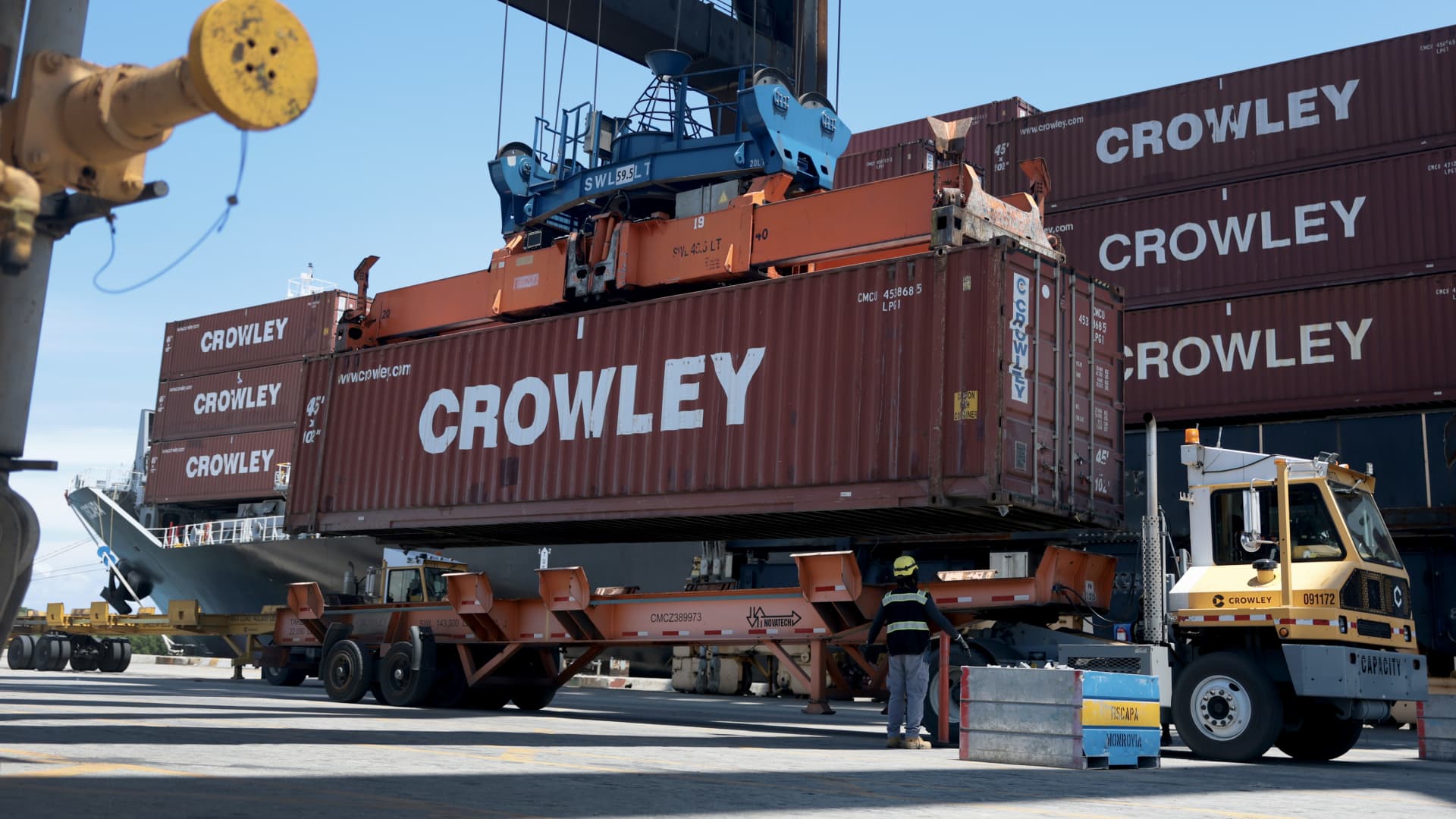
Goods from China jumped 0.9% month over month, the biggest move since January 2008. The BLS called that a possible reflection of tariff impacts. The 12-month gain of 1.3% was the largest since the period ending November 2022. Export prices to China slipped 0.2% in June but climbed 7.4% from a year ago, also the biggest annual increase since August 2022.
The June rise came as costs advanced for computers, peripherals and semiconductors. The BLS noted the increase in those categories may reflect the artificial intelligence buildout. Industrial and service machinery also pushed prices higher, offsetting a 0.4% decline in fuels and lubricants.
Export prices overall fell 0.6% in June, the first monthly drop since May 2025. They were still up 10.2% on the year.
The import data contrasted with the consumer and wholesale price reports earlier this week, which both declined month over month on lower energy costs. The drop in oil came as tensions between the U.S. and Iran briefly eased. Consumer prices were up 3.5% from a year ago; wholesale costs rose 5.5%.
Federal Reserve officials said the softer June inflation readings did not mean the central bank's work was finished. Chair Kevin Warsh told Congress this week he did not view the reports as a signal that inflation was returning to the 2% goal. Dallas Fed President Lorie Logan said Thursday that benchmark interest rates should be "modestly higher" to address the problem. Cleveland Fed President Beth Hammack echoed that view Friday.
The import price data showed inflation pressures broadening beyond energy, even as fuel costs declined. Rising costs from China and from computer and semiconductor inputs tied to AI buildout could keep price pressures elevated.
The PCE price index, the Fed's preferred inflation gauge, is due later this month. The central bank's next rate decision is set for late July.
Drafted by a large language model from the source reporting linked above, then screened by automated publishing checks. It is not read by a journalist before publication. Some articles cite our Alpha Score. Verify prices and figures against the original source. Educational coverage, not personalized advice.