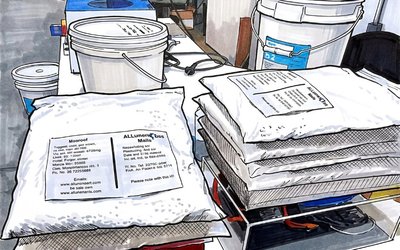
Impact Minerals has reached a critical operational milestone by shipping the first samples of its HiPurA high-purity alumina (HPA) to its United States-based partner, Charge CCCV. This shipment marks the transition from laboratory-scale development to active product evaluation by a potential industrial partner. The move serves as a primary catalyst for the company as it attempts to validate the commercial viability of its proprietary processing technology within the competitive battery materials supply chain.
HiPurA Commercialization and Partner Integration
The engagement with Charge CCCV provides a tangible pathway for Impact Minerals to test its HPA product against specific industrial requirements. By moving samples into the hands of a partner focused on energy storage solutions, the company is attempting to shorten the feedback loop between production and market adoption. This phase is essential for determining whether the HiPurA process can consistently meet the purity standards required for high-end battery applications. The success of this evaluation will likely dictate the scale of future pilot plant investments and the potential for long-term supply agreements.
Lake Hope Potash Development Pathway
Simultaneously, Impact Minerals is progressing with its development strategy for the Lake Hope project. The company is currently exploring a dual-output model that focuses on the production of sulphate of potash (SoP) and hydrochloric acid derived from lake clays. This approach is designed to maximize the economic utility of the resource by targeting both the agricultural fertilizer market and industrial chemical sectors. Current efforts are centered on pilot testing to refine the extraction process and establish a reliable flow sheet for full-scale operations.
Strategic Outlook and Operational Milestones
Impact Minerals is balancing the technical requirements of its HPA technology with the resource development needs of Lake Hope. The company remains in the feasibility stage for its potash assets, which requires consistent capital allocation to move toward a definitive investment decision. The dual-track focus on specialty materials and agricultural inputs reflects a broader effort to diversify revenue streams within the consumer cyclical and industrial materials landscape. For investors following the sector, the progress at Lake Hope and the results from the Charge CCCV sample testing represent the most immediate indicators of the company's ability to execute on its stated development timeline.
AlphaScala data currently tracks various players in the consumer cyclical sector, including Amer Sports, Inc. (AS stock page), which holds an Alpha Score of 47/100, and Hasbro, Inc. (HAS stock page), which is currently unscored. While these companies operate in different segments, they highlight the ongoing volatility and valuation shifts common in the broader stock market analysis environment. Impact Minerals must now demonstrate that its technical milestones can translate into sustainable operational cash flow as it navigates the transition from exploration to production. The next concrete marker for the company will be the disclosure of feedback from the Charge CCCV sample testing and the subsequent release of updated feasibility data for the Lake Hope project.