Commodities● Neutral
India Heatwave Risks: Why CL and NG Traders Are Watching
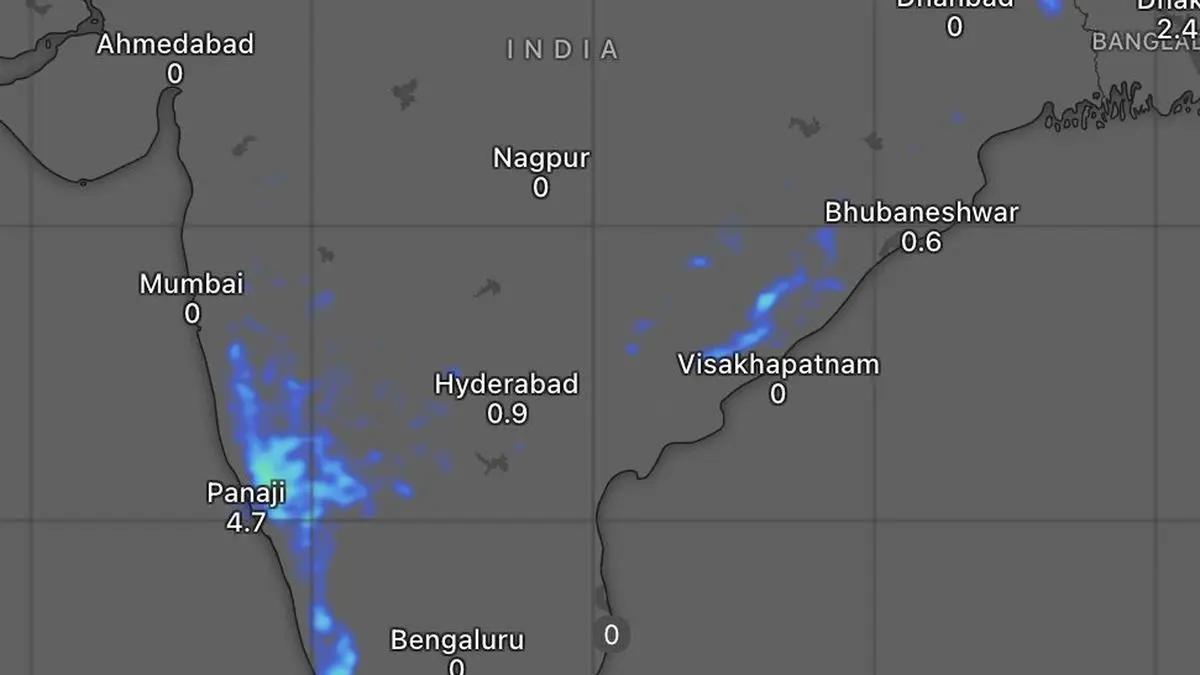
Prolonged dry conditions threaten agricultural yields and spike regional power demand. Monitor IMD updates for anticyclone shifts impacting energy volatility.
Continue with
North-West and Central India face another week of intense heat and dry conditions as the India Meteorological Department (IMD) maintains its warning for the region. An anticyclonic system is expected to shift eastward, prolonging the period of suppressed rainfall and elevated temperatures across the agricultural heartlands.
The Climate Pattern Behind the Heat
The persistence of these conditions is tied to the movement of a high-pressure anticyclone. While this system is currently migrating, its eastward shift does not immediately signal a break in the weather pattern for the affected zones. Instead, the IMD indicates that hot and humid conditions will remain a fixture along several coastal regions, further complicating the outlook for humidity-sensitive areas.
For traders monitoring commodity markets, the timing of these conditions is critical. Prolonged heat in North-West and Central India—the primary belts for various pulse and oilseed crops—often creates supply-side uncertainty. Markets typically price in the potential for yield degradation when heatwaves coincide with specific phases of the crop cycle.
Market Implications and Agricultural Impact
Extended periods of heat without adequate moisture can disrupt the output of summer-sown crops. When temperatures deviate significantly from historical averages, it forces a repricing of soft commodities. Traders should observe the following factors over the next seven days: