Back to Markets
Commodities● Neutral

Agricultural Supply Shocks Force A Rethink On Commodity Portfolio Weighting

Agricultural Supply Shocks Force A Rethink On Commodity Portfolio Weighting

Supply-side constraints in fertilizer and shifting geopolitical trade routes are tightening corn, wheat, and sugar markets, forcing a reassessment of agricultural exposure in commodity portfolios.

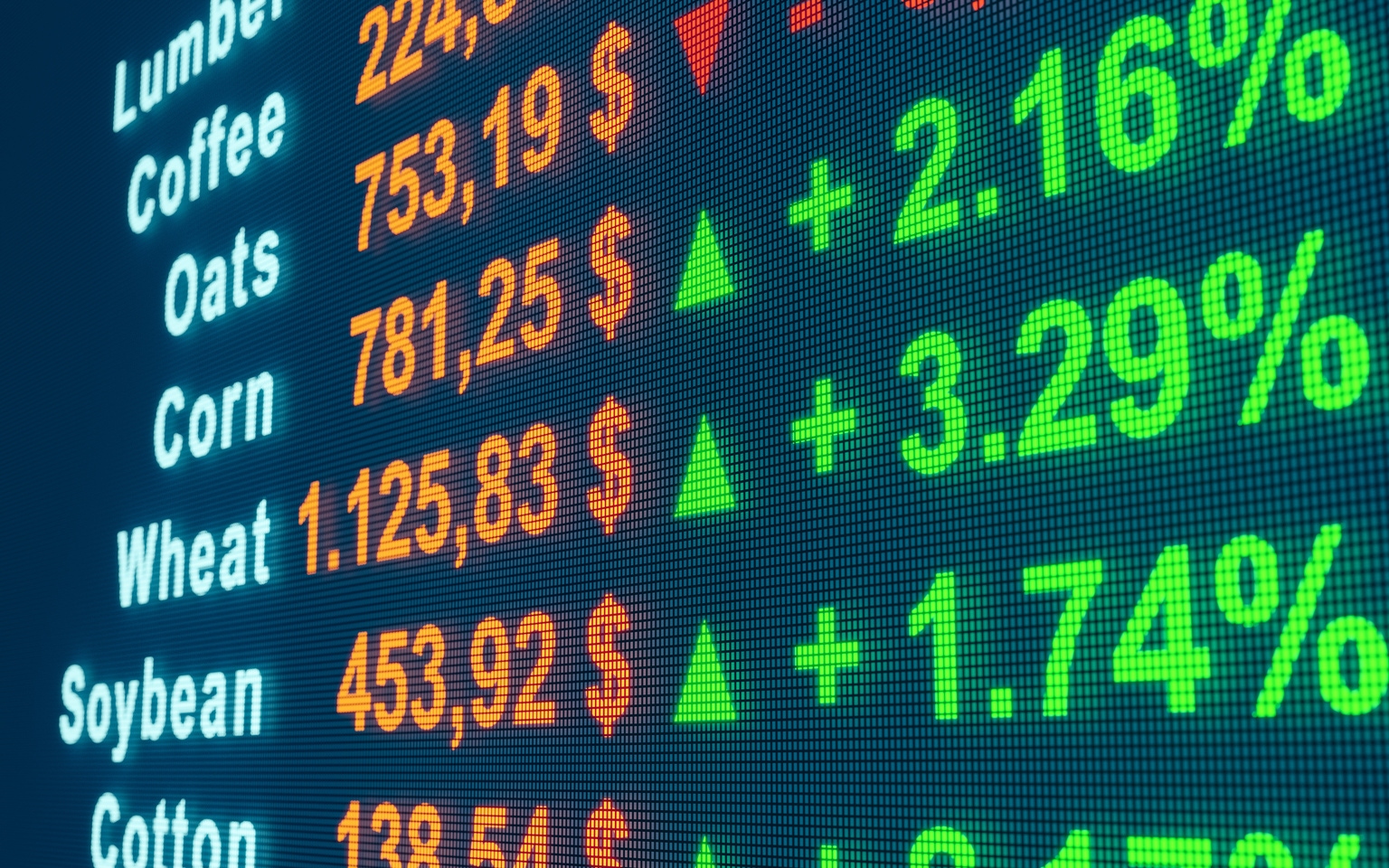
Global agricultural markets are facing a supply-side squeeze as fertilizer costs climb and geopolitical trade fractures accelerate. This volatility is tightening supplies of core staples, specifically corn, wheat, and sugar, creating distinct trade opportunities for those monitoring the commodities analysis desk.

The Anatomy of the Supply Shock

Rising input costs for farmers are acting as a floor for crop prices. Fertilizer prices, a primary driver of operational expenditure, remain sensitive to energy market fluctuations. When nitrogen-based fertilizers spike, producers often scale back application rates, leading to lower yields per acre. This dynamic creates a lagged effect on global output that eventually hits the futures curve.

Geopolitical friction is the second pillar of this tightening cycle. Trade routes for bulk commodities are increasingly subject to redirection or obstruction. For wheat exporters, the path from the Black Sea remains a persistent point of friction, while sugar markets are grappling with regional climate policies that limit export quotas. Traders should note the following impacts on major agricultural constituents:

  • Corn: Yield sensitivity to fertilizer price spikes remains the primary variable for upcoming harvest cycles.
  • Wheat: Logistical bottlenecks in primary transit corridors continue to keep basis levels elevated.
  • Sugar: Export restrictions and climate-induced production volatility are preventing a return to long-term price averages.

Market Implications and Asset Correlation

Agricultural commodities are no longer just a hedge against general inflation; they are becoming a play on supply chain fragility. As the global economy fragments, the ability of major producers to move product from farm to port is being tested. Investors who historically relied on crude oil profile as the sole proxy for commodity exposure need to integrate agricultural supply data into their broader macro models.

"Rising fertilizer costs and geopolitical trade disruptions are driving a supply-side agricultural shock, tightening corn, wheat, and sugar markets."

For traders, the current environment demands a focus on the cost-push side of the ledger. When agricultural inputs rise, the margin pressure on food producers often leads to public equity volatility in the staples sector. If you are looking to hedge or gain exposure, ensuring you have access to the best commodities brokers is essential for handling the margin requirements that come with high-volatility agricultural futures.

What to Watch

Monitor the energy-to-fertilizer spread closely, as natural gas prices often lead the cost of ammonia production. Any sustained move in energy markets, as seen in the WTI holds $92 support dynamic, will eventually feed through to the agricultural complex. Keep a close eye on regional export quotas, as these are often the first policy levers pulled when domestic food inflation hits political thresholds.

Market participants should also track the correlation between soft commodities and the broader indices. While tech-heavy stocks often ignore supply-side shocks in the short term, sustained agricultural inflation eventually forces a shift in consumer spending patterns. Watch for price breakouts in corn and wheat futures as a primary indicator of whether this supply shock is broadening into a systemic trend. Tightening supply chains will continue to reward those who prioritize physical delivery data over headline sentiment.

How this story was producedLast reviewed Apr 16, 2026

AI-drafted from named primary sources (exchange feeds, SEC filings, named news wires) and reviewed against AlphaScala editorial standards. Every price, earnings figure, and quote traces to a specific source.

Editorial Policy·Report a correction·Risk Disclaimer