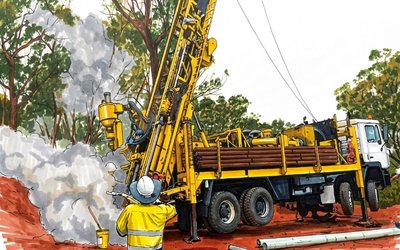
Iltani Resources has officially restarted exploration activities at the Orient silver-indium project in Queensland, marking the end of the regional wet season. The company is now moving to execute a comprehensive drilling campaign designed to refine the geological model and expand the known resource footprint at the Herberton mineral field.
Scaling the Orient Resource Base
The upcoming campaign is structured around a significant reverse circulation drilling program. The company plans to complete 115 holes, totaling approximately 16,000 meters of drilling. This effort is specifically targeted at infilling existing data points to improve resource confidence while simultaneously testing the lateral and depth extensions of the mineralized zones.
By focusing on these specific parameters, Iltani aims to convert inferred resources into higher confidence categories. The scale of this program suggests a strategic push to define the economic viability of the project before moving toward more advanced feasibility studies. The technical team is prioritizing areas where previous surface mapping and geophysical surveys indicated high potential for silver and indium concentrations.
Sector Context and Strategic Positioning
Exploration in the Herberton mineral field remains a focal point for junior miners seeking to capitalize on the rising demand for specialty metals. Indium, a critical component in high-end electronics and thin-film solar technology, provides a distinct value proposition compared to traditional base metal projects. The resumption of site work allows the company to maintain its project timeline, which is essential for managing capital burn and meeting investor expectations regarding resource growth.
For investors tracking the broader materials sector, the progress at Orient serves as a proxy for the operational efficiency of small-cap explorers in the region. While larger entities like those found in our stock market analysis often prioritize brownfield expansions, junior explorers rely heavily on the successful execution of these initial drilling phases to drive valuation shifts. The ability to complete 16,000 meters of drilling without significant logistical delays will be the primary indicator of operational success for the current quarter.
AlphaScala data currently reflects a mixed sentiment across the broader industrial and technology-linked materials landscape. For instance, companies like Ford Motor Company (F stock page) and ON Semiconductor (ON stock page) carry Alpha Scores of 55/100 and 45/100 respectively, highlighting the volatility inherent in sectors sensitive to raw material supply chains and manufacturing demand. Iltani’s progress at Orient is a direct input into the long-term supply narrative for indium, which remains a niche but vital link in the technology supply chain.
Next Operational Milestones
The next concrete marker for the market will be the release of initial assay results from the first batch of holes. These results will provide the first empirical evidence of whether the current geological model holds up under the expanded drilling density. Following the completion of the 16,000-meter program, the company is expected to update its resource statement, which will serve as the foundation for future project development decisions.