Ikea Buyback Hits 53,000 Items as Resale Goes Chainwide
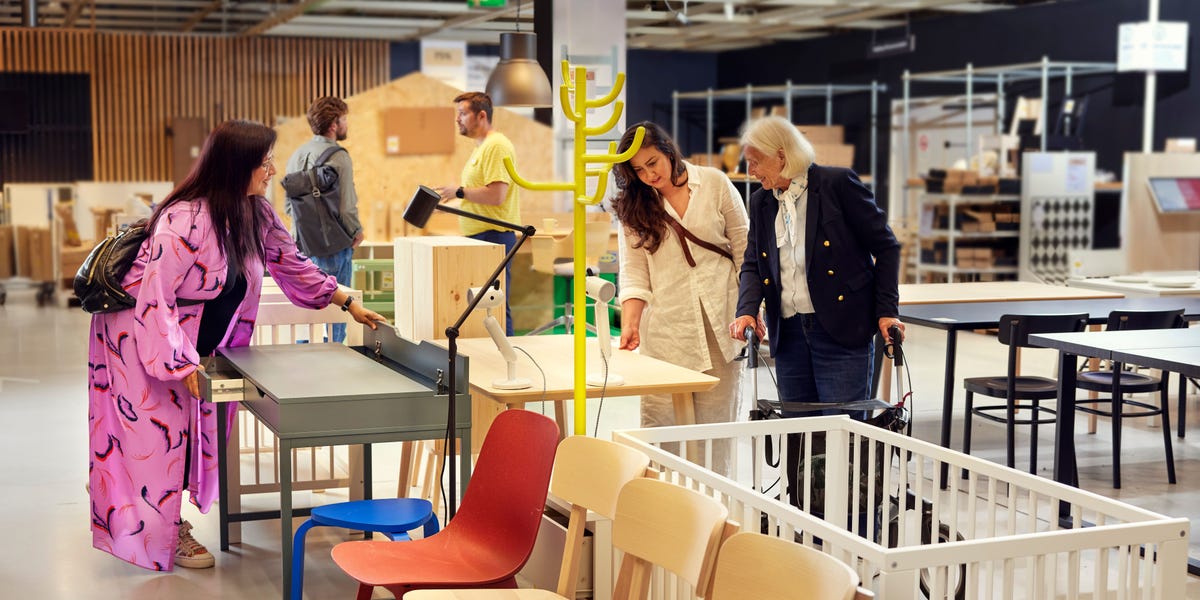
Ikea's buyback program hits 53,000 items five years in, with chainwide US availability by September. Bargain hunters and design collectors drive resale growth.
Alpha Score of 51 reflects moderate overall profile with weak value, strong quality, moderate sentiment. Based on 3 of 4 signals – score is capped at 90 until remaining data ingests.
Ikea has taken back about 53,000 pieces of furniture over the past five years through its buyback and resell program. By September, every full-format Ikea store in the US will offer the service, including the Brooklyn location, said Bryan Walker, the company's country product quality manager for the US.
The program pays customers in store credit for used Ikea-brand furniture and resells it in the chain's As-Is section. Employees inspect each piece, sometimes cleaning or repairing it before putting it on the floor, Walker said. A large black Kallax bookcase with minor scratches nets $69.65 in credit at a Washington, DC area store, according to the company's website. An "as new" version brings about $10 more. A well-used example earns about $10 less. A new Kallax sells for almost $300.
Secondhand furniture has become a bigger business across the industry. Facebook Marketplace and Craigslist are full of used pieces from every era. REI sells used outdoor gear. Sites like Depop let side-hustlers sell clothes. The appeal for furniture buyers is the price gap versus new pieces and the chance to find designs not in the showroom anymore.
Ikea's program draws two kinds of customers, Walker said. Some are bargain hunters. "I can't have a conversation about secondhand without talking about affordability," he said. Others chase specific designs. One store bought back a piece from Ikea's Stockholm collection, a higher-priced line that includes a sofa costing $2,000 new.
The oldest piece the program has taken back is a post-modern Signatur executive desk from the 1980s, the same decade Ikea opened its first US stores. "It's just the perfect encapsulation of really simple form," Walker said.
Customers who sell furniture back visit an Ikea store 50% more often in the six months after the transaction, Walker said. He called it a "really significant impact" on loyalty.
Walker said he sees the secondhand business as a growth area. "A lot of businesses see secondhand as a side business," he said. "I do see this as a growth area for us."
Drafted by a large language model from the source reporting linked above, then screened by automated publishing checks. It is not read by a journalist before publication. Some articles cite our Alpha Score. Verify prices and figures against the original source. Educational coverage, not personalized advice.