Stocks● Neutral
IIT Global Ambitions Face $10B Endowment Chasm
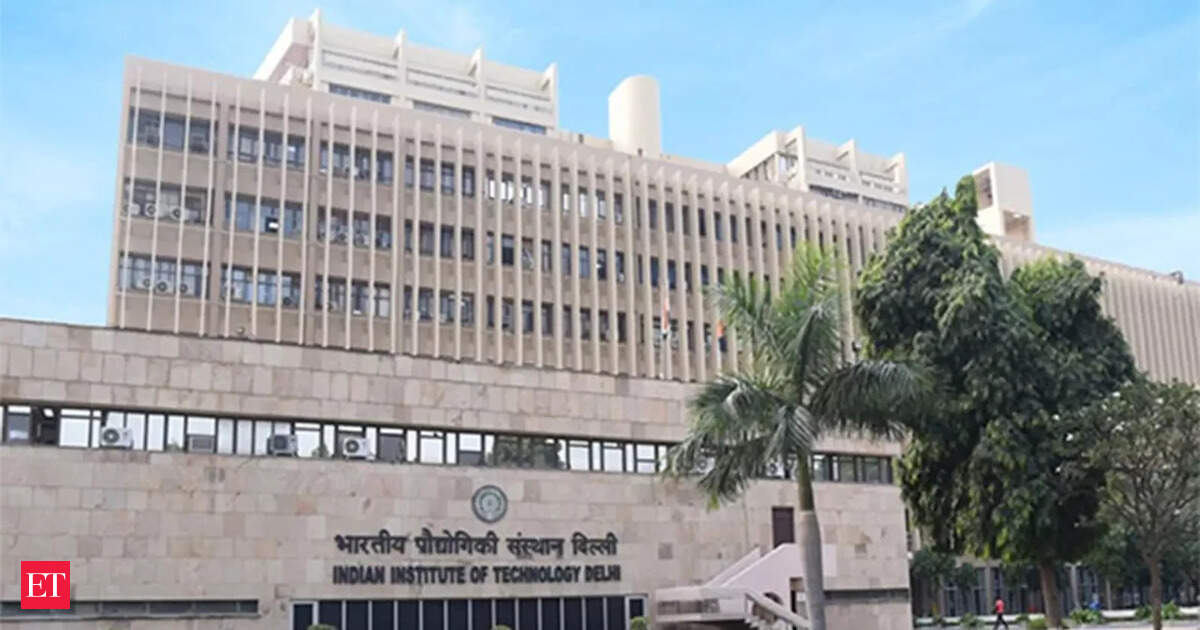
IITs expand overseas campuses and recruit global faculty. A persistent endowment gap relative to peers limits their ability to compete for top talent and research funding. The success of this push hinges on capital structure reforms.
Continue with
The Indian Institutes of Technology are pushing to become global research hubs. They are forging international partnerships, establishing overseas campuses, and recruiting international faculty. The strategic move aims to lift the IIT system into the same league as top technical universities in the United States and Europe. That ambition runs directly into a structural constraint: an endowment pool that is a fraction of what global peers hold.
A single top U.S. engineering school can command an endowment exceeding $10 billion. The combined corpus of all IITs is a small percentage of that figure. This funding gap limits the IITs'' ability to offer competitive faculty salaries, build lab infrastructure at scale, and provide full-ride scholarships to attract the best doctoral candidates from abroad. Without a larger endowment, the IITs must rely more heavily on government grants and tuition revenue, reducing their capacity to make long-term research bets.
The Endowment Gap Limits Faculty and Lab Investment
The disparity in endowment size directly affects the IITs' core assets: people and facilities. Top researchers bring grant networks, publication pipelines, and doctoral student supervision capacity. They also raise an institution's profile in global rankings, which in turn attracts more international students and faculty. IITs cannot match the salary packages or lab startup funds offered by well-endowed U.S. universities.
The IITs must compete on other dimensions instead. Lower cost of living in India, the prestige of the IIT brand, and the opportunity to shape a growing research ecosystem can offset some of the financial disadvantage. Whether these factors are sufficient to attract and retain top talent at scale remains an open question. The next two academic cycles will show whether international faculty hires accelerate or stall.