Stocks● Neutral
US Marine Drill in Caracas: Oil Risk Premium Signal
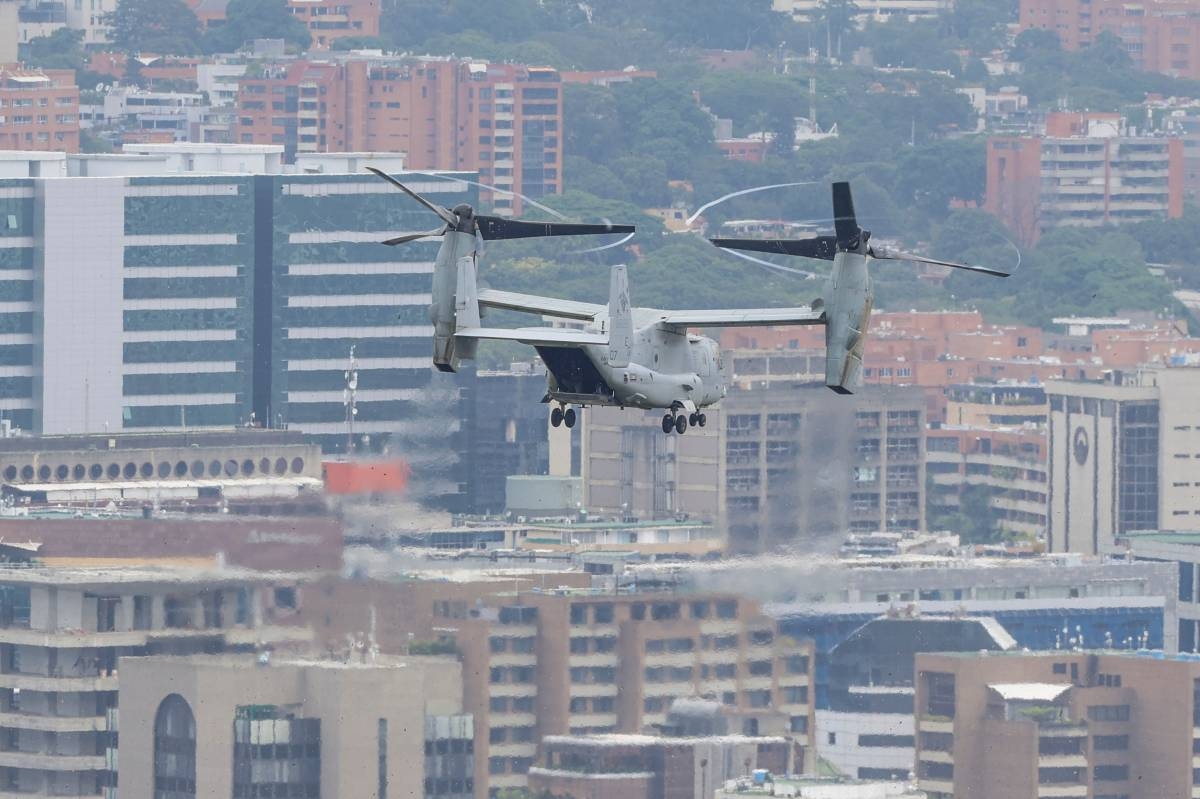
Marines land at Caracas embassy in Osprey drill two months after reopening. The exercise reinforces Venezuela's uncertain oil market reintegration path.
Continue with
The US military conducted a rapid response exercise in Caracas on Saturday, landing Marines at the reopened US Embassy using Osprey aircraft. This is the first US military air operation in the capital since the Jan. 3 capture of Nicolás Maduro. The embassy stated the drill was to ensure the military's rapid response capability. Venezuela's government had pre‑announced the exercise as preparation for medical or catastrophic emergencies.
What the Tactical Presence Signals
The drill arrives roughly two months after the US formally reopened its embassy in Caracas, following the restoration of full diplomatic relations after Maduro's ouster. For investors with exposure to Venezuela-linked assets, the permanent security posture implied by this exercise carries opposing market implications. A credible US deterrent could stabilize the political environment. It could accelerate the restoration of diplomatic and economic ties. Alternatively, the visible presence of Marines and military aircraft could galvanize nationalist sentiment. That sentiment would delay normalization.
Oil Market Link: Where the Risk Premium Lives
Venezuela holds the world's largest proven oil reserves. Any shift in US policy toward Caracas directly affects expectations for crude supply. The drill itself does not move barrels today. It reinforces the uncertainty around Venezuela's reintegration into global oil markets. A sustained US military footprint suggests Washington views Venezuela as a volatile theater, not yet ready for routine commercial engagement. Traders should watch whether the State Department follows the exercise with sanctions adjustments. An easing would be a bullish cue for Venezuela recovery stories. No change would confirm the status quo.