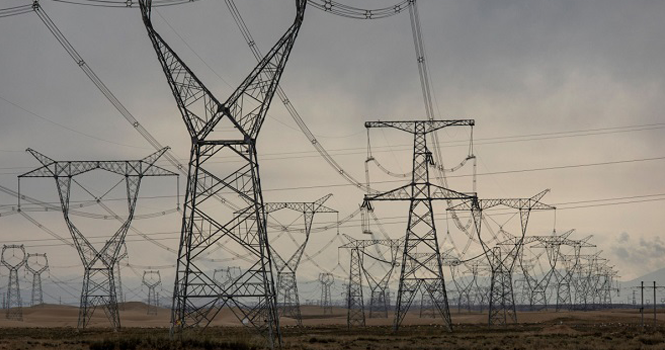
The International Energy Agency reported a surge in global electricity consumption for 2025, marking a significant shift in the utility and infrastructure landscape. This increase is primarily attributed to the rapid expansion of electric vehicle adoption and the escalating power requirements of data centers. As industrial and consumer reliance on the grid intensifies, the capacity to meet this demand has become a primary constraint for regional energy providers.
Grid Infrastructure and Load Management
The acceleration of electricity demand forces a reevaluation of grid stability and capital expenditure requirements for utility providers. Data centers require consistent, high-voltage power delivery, which creates a distinct load profile compared to traditional residential or commercial consumption. This shift necessitates upgrades to transmission networks and the integration of more reliable, base-load power sources. Companies operating within the energy sector must now balance the immediate need for increased capacity with the long-term transition toward renewable energy sources. The ability to secure regulatory approval for infrastructure projects will likely determine which providers can capture the growth associated with this rising demand.
Sectoral Read-throughs and Capital Allocation
Increased electricity consumption impacts a broad range of industries beyond traditional utilities. Manufacturers of electrical components, grid management software, and energy storage solutions are seeing a direct correlation between their order books and the expansion of data center footprints. For investors, the focus is shifting toward companies that provide the hardware and software necessary to manage grid efficiency. The current environment favors firms that can demonstrate scalability in their infrastructure offerings. While the healthcare sector, including firms like Agilent Technologies, maintains its own specific operational requirements, the broader industrial complex is increasingly sensitive to energy costs and availability. According to AlphaScala data, Agilent Technologies holds an Alpha Score of 55/100, reflecting a moderate position within the healthcare sector. You can track further developments on the A stock page or review broader stock market analysis to understand how energy costs influence corporate margins across different sectors.
The Path to Capacity Equilibrium
The next critical marker for this narrative will be the upcoming regional grid capacity filings and utility capital expenditure updates. These documents will provide the first concrete evidence of how much investment is being directed toward grid hardening versus new generation capacity. Market participants should monitor the timing of these infrastructure projects, as delays in permitting or supply chain bottlenecks for critical electrical components could create localized energy shortages. The divergence between regions that successfully upgrade their infrastructure and those that face grid congestion will likely dictate the next phase of valuation for energy-intensive industries. Future updates from the IEA regarding regional consumption patterns will serve as the primary benchmark for assessing whether current infrastructure investment is keeping pace with the accelerating demand profile.