Stocks● Neutral
Hyundai Motor India expects Chennai output normal by June 15
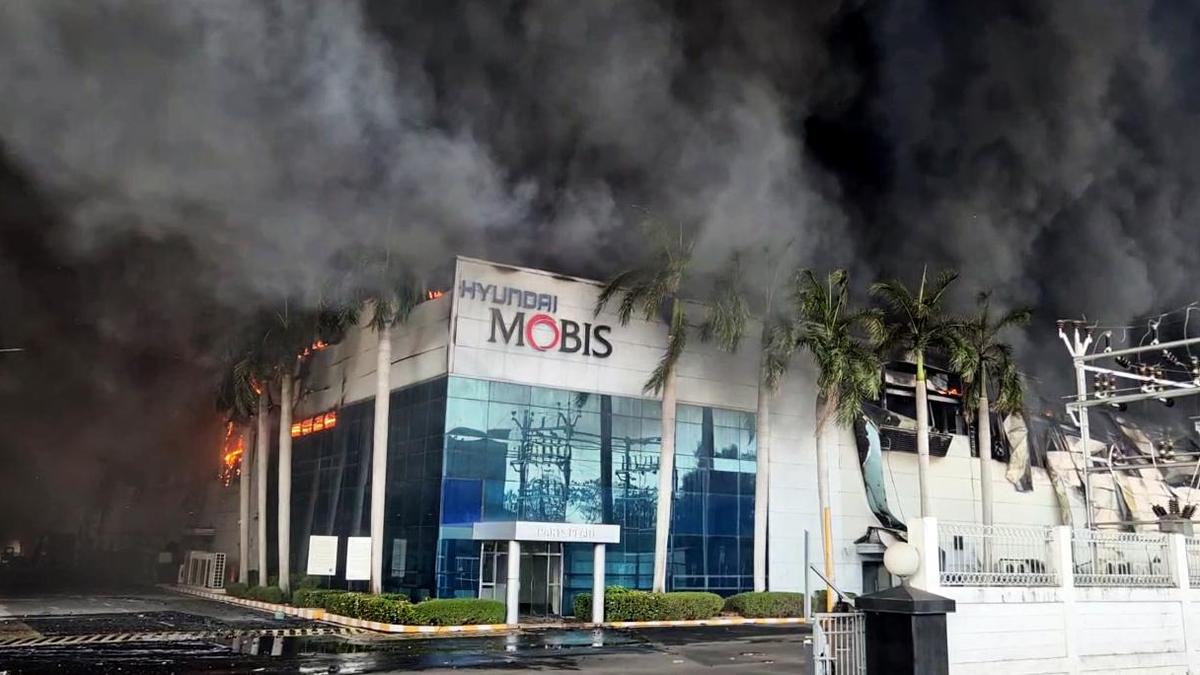
Hyundai Motor India expects Chennai Plant 1 SUV output to normalise by June 15 after a Mobis fire. Inventory buffers protect June sales. Key test: supply-chain recovery.
Continue with
Hyundai Motor India told stock exchanges Wednesday that production at its Chennai Plant 1 should return to normal by June 15, with full operations across the site back by June 22. The timeline comes after a fire at key supplier Mobis India Ltd on May 31 disrupted SUV assembly at the Sriperumbudur facility.
The fire broke out in the scrap yard of the Mobis factory in Kanchipuram district. Mobis supplies audio systems and other components to Hyundai. The disruption hit mainly Chennai Plant 1, where Hyundai builds its SUV line. Chennai Plant 2, which handles hatchbacks and sedans, and the company’s Pune facility have run largely as normal, the company said.
Hyundai’s measures to limit the damage
Hyundai said it has started sourcing automotive components from alternate locations to restore production levels. The company told exchanges on June 1 that a fire at Mobis India had caused a temporary disruption. It is still assessing the full extent of the impact but expects any production loss to be largely recovered within the next quarter.
The automaker also said retail sales in June 2026 are unlikely to be significantly affected. It cited adequate inventory across its dealer network.
The fire’s origin
According to sources familiar with the incident, the fire is suspected to have started in the soldering line within the assembly section before spreading rapidly. Investigations into the exact cause are ongoing.
What this means for Hyundai’s stock
The disruption is isolated to a single plant and a single product category. Hyundai’s statement that June retail sales will not be materially hit removes the main fear – that the fire would drain dealer inventory and push customers to competitors like Maruti Suzuki or Tata Motors. The inventory buffer is the key variable to watch. If the June 15 timeline slips, the market will start pricing in lost SUV share.
The better read
The simple take is that production will resume in two weeks. The better read is that this incident tests Hyundai’s supply-chain flexibility. The company’s ability to source alternate components quickly and recover lost output within a quarter will tell investors whether the cost controls and vendor management Hyundai has long cited are real or just talking points. A clean recovery strengthens the case for holding through the model cycle. A drawn-out recovery would raise questions about margin resilience in the face of any supply-side shock.