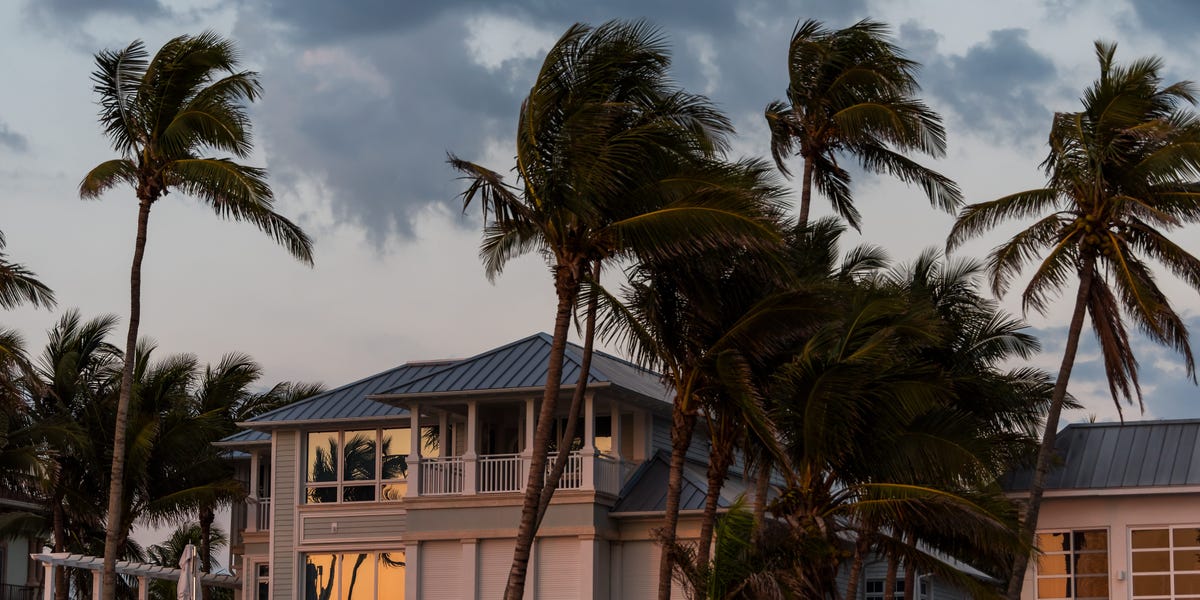
A new ranking from Cotality measures the top 15 U.S. states most exposed to hurricane wind damage. Florida and Texas lead the list. Several Northeastern states also appear in the top tier, reflecting the impact of storms like Sandy and Irene. The analysis uses a composite score based on wind speed records, insured loss data, and building code enforcement.
For utility investors, the timing is critical. Hurricane season runs June through November, and NOAA projects an above-average 2025 season. The Cotality data provides a concrete geographic framework for assessing which utilities face the highest physical asset risk. The Northeast presence means hurricane damage is not just a Gulf Coast problem.
Cotality Wind Damage Rankings
The methodology weighs wind speed frequency, historical insured losses, and state building code strength. Florida scores highest due to its peninsula geography and dense coastal development. Texas ranks second, driven by Gulf Coast exposure and large population centers like Houston. Louisiana, North Carolina, and South Carolina round out the top five. The Northeast is well represented with New York, New Jersey, Massachusetts, and Connecticut all in the top 15.
Southern Company's Southeast Exposure
Southern Company operates electric and gas utilities across the Southeast, with major service territories in Georgia, Alabama, and Florida. The Cotality ranking puts Florida at the top, meaning a significant portion of SO's customer base sits in the highest-risk zone. The company's generation fleet includes coastal plants and transmission lines that are vulnerable to storm surge and high winds.
AlphaScala's proprietary model gives Southern Company an Alpha Score of 43 out of 100, with a label of Mixed. The score reflects average valuation metrics and moderate earnings stability. The hurricane risk factor is not fully priced into the current utility sector rotation. Investors chasing yield in regulated utilities may be underestimating the potential for storm-related outages, repair costs, and regulatory lag in rate recovery.
Storm Season and Rate Case Catalysts
The Cotality study does not change Southern Company's fundamentals overnight. It does create a watchlist trigger. The next named storm that makes landfall in Florida or Georgia will test the market's willingness to discount one-time repair expenses versus recurring climate risk. If the storm causes widespread outages, SO's stock may face a near-term selloff as investors reassess repair costs and rate recovery timelines.
Rate case filings in Florida will also provide a concrete test. Regulators determine how quickly utilities can recover storm costs through customer rates. A lengthy recovery process would become a recurring earnings drag. Southern Company's Alpha Score 43 suggests there is room for downside if the market reprices the risk premium.
For broader sector context, including utility rotation dynamics, see AlphaScala's stock market analysis. The SO stock page provides real-time data and proprietary scoring.