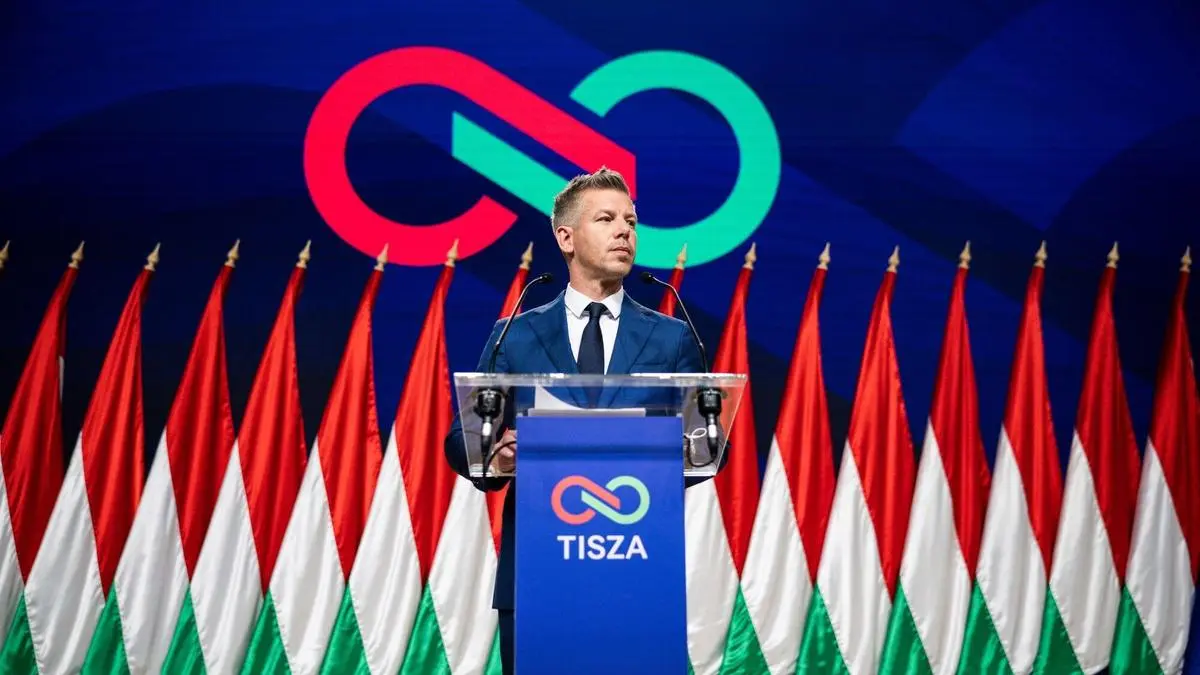
The defeat of Viktor Orbán in Hungary’s recent national election marks the end of a sixteen-year tenure and introduces a significant pivot in the nation's economic policy trajectory. Peter Magyar, the incoming leadership figure, has centered his platform on the restoration of frozen European Union funding and the active solicitation of foreign direct investment. This transition suggests a move toward alignment with broader European fiscal frameworks, which could alter the risk profile for regional assets and cross-border capital allocation.
Reintegration into European Fiscal Frameworks
The primary economic narrative following this election is the potential unlocking of EU aid packages that were previously withheld due to disputes over rule-of-law standards. For international investors, the restoration of these funds serves as a catalyst for stabilizing the Hungarian forint and reducing the sovereign risk premium that has characterized the country's debt markets. The shift in leadership aims to dismantle the isolationist economic policies that defined the previous administration, prioritizing a return to standard EU institutional cooperation.
This transition is expected to influence regional sentiment, particularly as Hungary seeks to reposition itself as a stable destination for manufacturing and technology investment. The focus on foreign direct investment suggests a departure from state-led economic intervention toward a more market-oriented approach. Investors are now assessing how quickly the new administration can satisfy the administrative conditions required to release the pending tranches of EU support.
Sectoral Read-through and Regional Stability
The change in government impacts several sectors that have been sensitive to regulatory volatility and the threat of windfall taxes. Financial institutions and energy firms, which previously operated under a regime of frequent policy shifts, may see a more predictable regulatory environment. This normalization is critical for long-term capital planning, as the previous administration’s reliance on ad-hoc levies created a structural mismatch in corporate forecasting.
AlphaScala data currently tracks various global equities, including those in the financial and healthcare sectors. For instance, Citigroup Inc. holds an Alpha Score of 63/100, while Agilent Technologies, Inc. maintains a score of 55/100. These metrics reflect broader sector health, which can be viewed in detail on the C stock page and the A stock page. As Hungary moves toward a more conventional economic policy, the correlation between regional stability and broader stock market analysis will become more pronounced.
The Path to Policy Normalization
The immediate focus for the incoming government is the legislative process required to satisfy EU requirements for funding. This involves not only the reversal of specific judicial and administrative policies but also the establishment of new oversight mechanisms that satisfy Brussels. The speed at which these reforms are implemented will serve as the primary indicator of the government's commitment to its stated economic goals.
Market participants should monitor the upcoming budget announcements and the specific legislative agenda presented to the national assembly. These documents will provide the first concrete evidence of how the new administration intends to balance fiscal consolidation with the need to stimulate growth. The success of this transition will depend on the government's ability to maintain political cohesion while navigating the complex requirements of EU institutional integration.