Stocks● Neutral
Humanoid Robots Complete First Surgeries in UC San Diego Trial
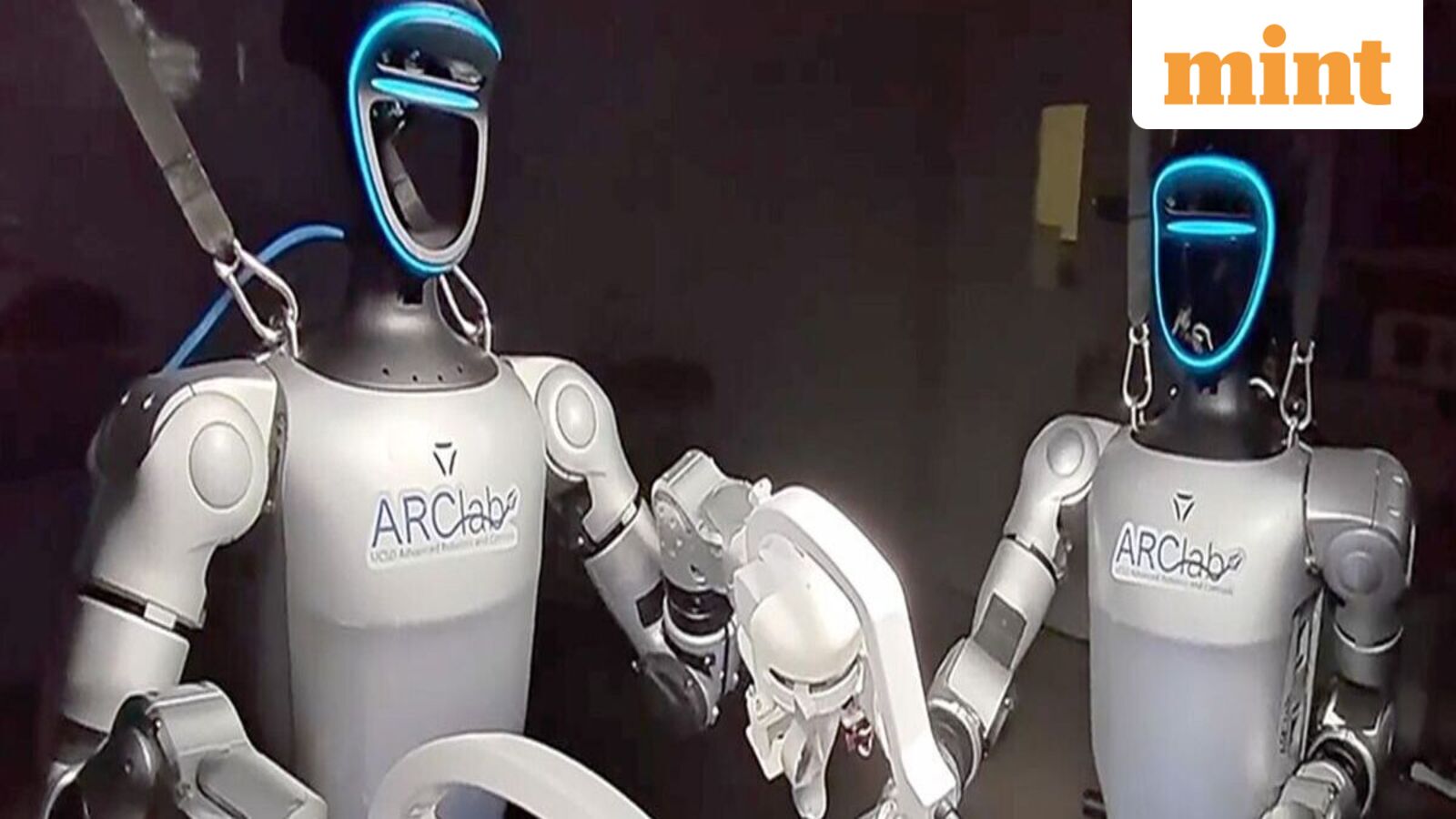
UC San Diego researchers used teleoperated humanoid robots to perform gallbladder removal and other procedures, demonstrating a path to remote specialist surgery for underserved areas.
Continue with
Researchers at the University of California San Diego have finished the first surgical procedures ever performed by teleoperated humanoid robots. The preclinical trial used robots nicknamed Surgie to complete two operations on large non-primate mammals.
One setup paired a humanoid robot with a human surgeon for a gallbladder removal. The second used two humanoid robots working together on a separate surgery. In both cases the robots were controlled remotely by a surgeon using specialized controllers that mirror hand movements in real time. The surgeon can be hundreds or even thousands of kilometers away.
The trial is a proof of concept, researchers said. It shows humanoid robots can safely perform complex surgical tasks under human supervision. Unlike autonomous surgical systems, these machines have no independent decision-making capability. Every move is directed by a human operator.
Surgie stands about 5 feet tall and weighs roughly 60 pounds. That is a fraction of the size of current robotic surgery systems, which can weigh around 1,800 pounds. The humanoid design allows the robot to use conventional surgical instruments with little modification. Existing operating rooms need no major infrastructure changes to accommodate it.
The humanoid form also means the robot can handle tasks beyond surgery. Researchers said the same platform could assist with equipment movement, patient transport or other hospital duties. Current robotic surgical platforms are single-purpose machines. A hospital could deploy one humanoid robot across multiple roles.