Commodities● Neutral
HUL Chairman: Commodity Inflation Will Persist Despite Cheaper Crude
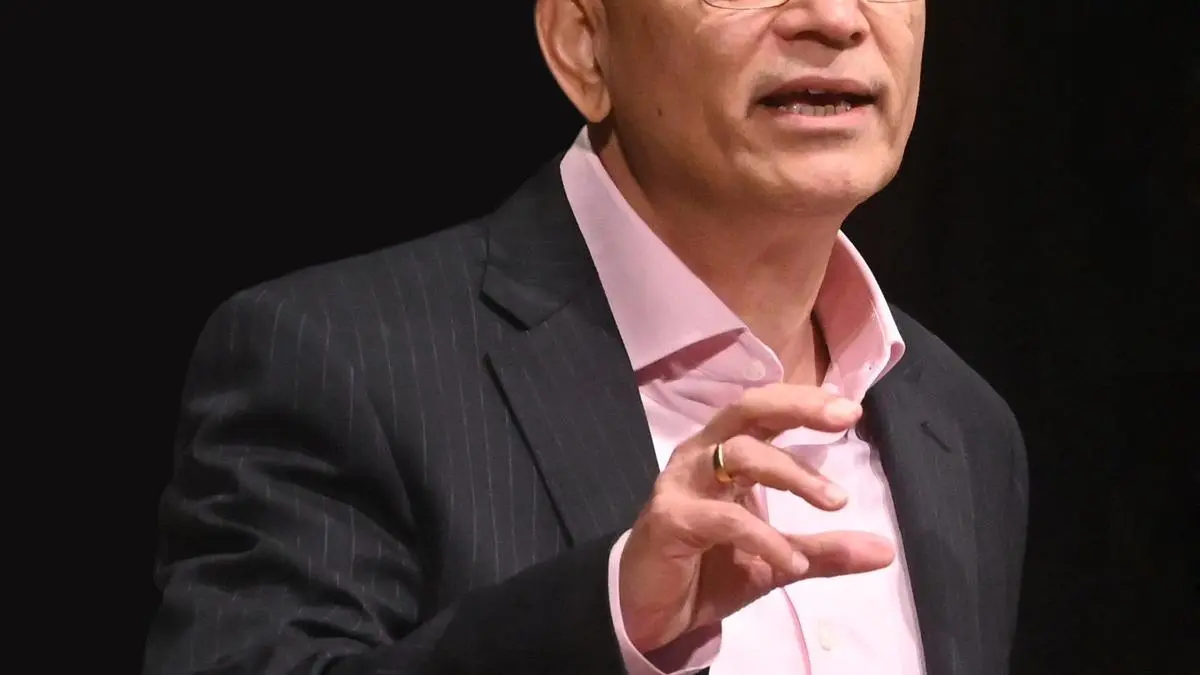
HUL's Paranjpe warns lower crude doesn't mean immediate cost relief. Efficiency programmes and hedging matter more than spot prices for margin protection in a lagged commodity cycle.
Continue with
Nitin Paranjpe, HUL's non-executive chairman, told shareholders Tuesday that the company does not expect commodity cost inflation to ease soon, even after crude oil fell from above $100 a barrel. The comment cuts against the common assumption that a drop in crude instantly relieves input cost pressure for consumer goods companies.
The disconnect exists because consumer goods makers buy commodities on contracts that lag spot prices by weeks or months. Hedging programmes lock in costs in advance. A raw material like crude oil that trades at $80 today might still be feeding into the P&L at $95 for the next quarter if the company hedged at that level. Paranjpe said HUL is "driving cost efficiencies by looking at every line of the profit and loss account" and aims to keep price increases below cost increases through these programmes.
The naive read of Paranjpe's remarks is that HUL faces margin pressure. The better read is that HUL is using the inflation period to structurally lower its cost base. Efficiency programmes force managers to find savings that persist even after commodity prices normalise. Paranjpe laid out a five-point strategy that includes AI, new materials science, and supply-chain flexibility. These are not short-term fixes. They change the company's cost structure over the cycle.