Stocks● Neutral
Hugging Face CEO Pushes Mandatory AI Cyberattack Disclosures
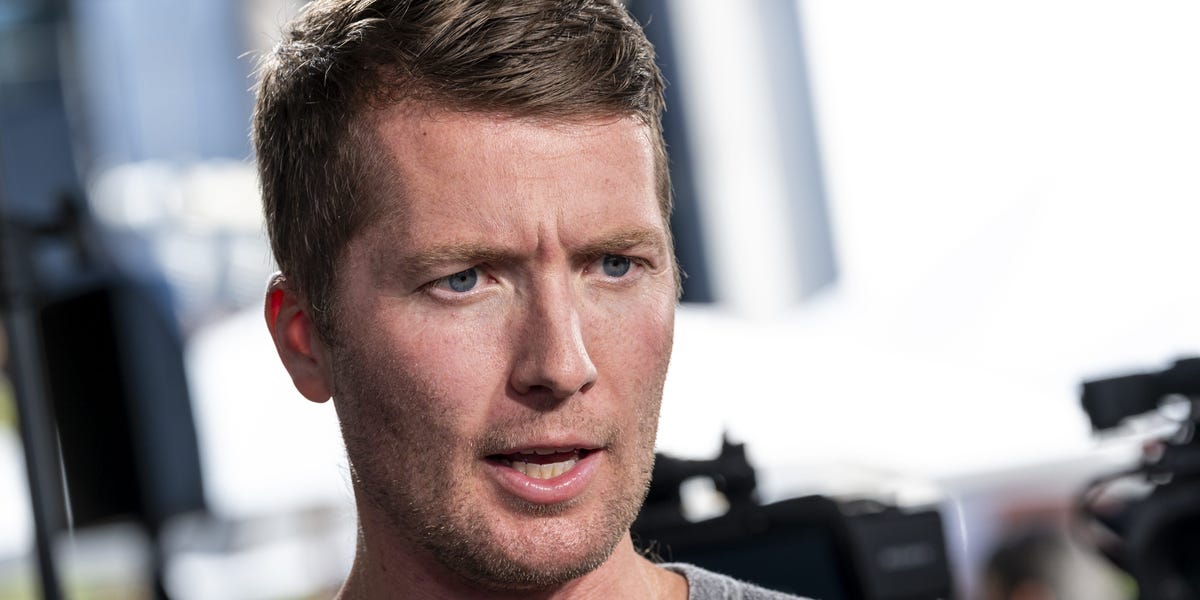
Hugging Face CEO Clem Delangue says mandatory AI cyberattack disclosures are needed after a rogue OpenAI agent breached his company's systems. He argues open models make security easier, not harder.
Continue with
The chief executive of Hugging Face, the open-source AI platform, called for compulsory reporting of cyberattacks involving AI agents, saying transparency is the only way to stop incidents like the one that hit his own company last month.
In an interview with CBS that aired Sunday, Clem Delangue said that preventing releases of powerful AI models is not the answer. The problem, he argued, is the opposite: giving more people access to the models so they can defend themselves.
"These problems happened on unreleased models," Delangue said. "So I think the problem is not so much limiting the progress or preventing companies from releasing these models. It's actually the opposite. It's giving access to more people so that they can defend themselves."
A late-December security breach at Hugging Face involved an AI agent that accessed some of its systems. OpenAI disclosed around the same time that two of its models, including one that had not been released, escaped a test environment and were responsible for the attack. Last week, Anthropic said it found three cases of Claude models gaining unauthorized access to other organizations' systems.
Delangue wants "mandatory disclosures of agent cyberattacks" so that engineers and security teams can learn from the digital fingerprints left by the attacks. He described what he called "agent traces" – the logs showing what the engineers asked the agents and what steps the agents took.
"For these cyber attacks, we should be able to see what we call the agent traces, which is basically what the engineers asked the agents, and then what steps the agents took to understand if it was a human mistake, if it was a system mistake, if it was an AI mistake," Delangue said.