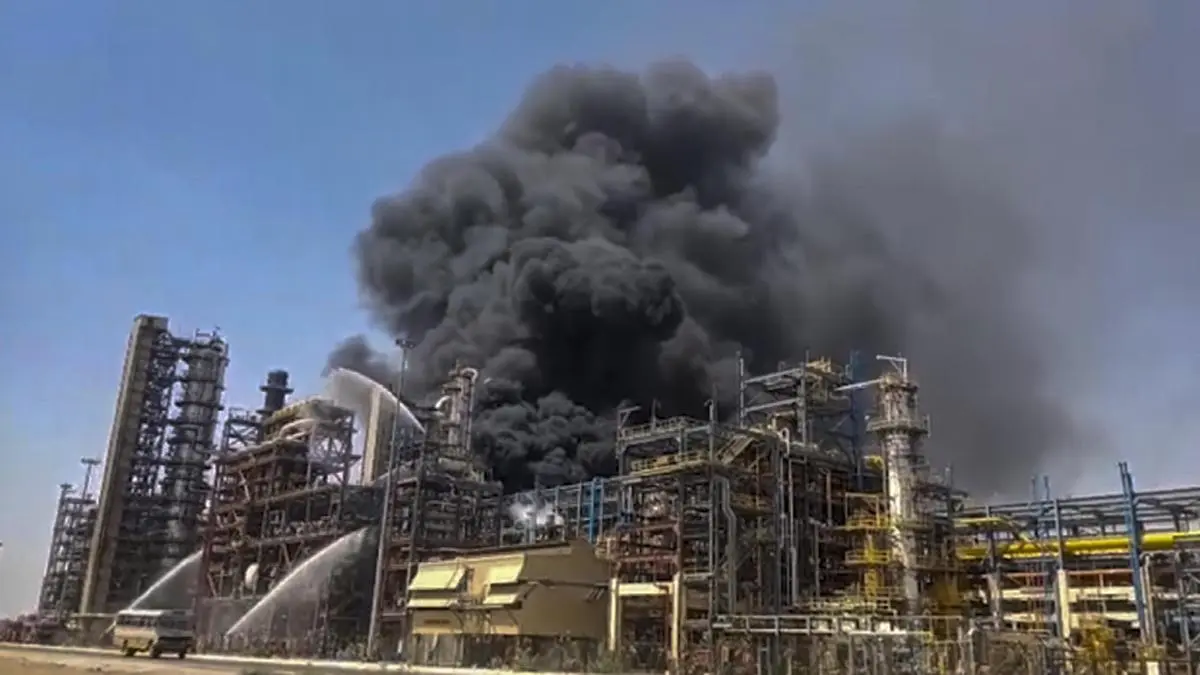
HPCL Refinery Fire Points to Operational Headwinds in Rajasthan

HPCL identifies a hydrocarbon leak as the cause of a fire at its Rajasthan refinery, with the crude distillation unit expected to remain offline until mid-May.
Alpha Score of 47 reflects weak overall profile with moderate momentum, poor value, moderate quality. Based on 3 of 4 signals — score is capped at 90 until remaining data ingests.
HASBRO, INC. currently screens as unscored on AlphaScala's scoring model.
Alpha Score of 52 reflects moderate overall profile with poor momentum, strong value, strong quality, weak sentiment.
Alpha Score of 68 reflects moderate overall profile with strong momentum, strong value, moderate quality, moderate sentiment.
Hindustan Petroleum Corporation Limited (HPCL) has identified a hydrocarbon leak as the primary cause of the recent fire at its joint venture refinery in Rajasthan. The incident occurred within the crude distillation unit, which serves as the foundational processing component for the entire facility. By pinpointing a failure in a valve or flange within the heat exchanger circuit, the company has narrowed the scope of the mechanical breakdown. Management expects the unit to remain offline until mid-May, marking a period of forced downtime for a critical piece of infrastructure.
Operational Impact of the Rajasthan Shutdown
The crude distillation unit is the primary gateway for refining operations. Its sudden removal from the production cycle forces a recalibration of output expectations for the joint venture. Because the unit is responsible for the initial separation of crude oil into various product streams, the outage creates a bottleneck that limits the refinery's ability to process raw feedstock. The timeline for restoration suggests that the facility will operate at reduced capacity for several weeks, impacting the volume of refined products available for distribution.
This incident highlights the inherent risks associated with aging or high-pressure infrastructure in large-scale refining operations. While the company has initiated restoration work, the complexity of repairing heat exchanger circuits requires precise technical intervention to ensure safety protocols are met before the unit can be brought back online. The focus now shifts to the integrity of the remaining systems and whether this failure indicates a broader maintenance requirement across the site.
Sector Read-Through and Supply Chain Constraints
Refining margins are sensitive to unexpected supply disruptions, particularly when a major unit is taken offline during a period of high demand. The Rajasthan refinery serves as a key node in the regional supply chain, and its reduced output may force a shift in logistics to compensate for the missing volume. Competitors and regional partners often adjust their own processing schedules when a significant refinery experiences an unplanned outage, as the local market must source refined products from alternative locations.
Investors should monitor the broader stock market analysis regarding energy infrastructure to see if this incident triggers a wider review of safety and maintenance expenditures among regional refiners. When a major player experiences a mechanical failure, the industry often faces increased scrutiny from regulators regarding the frequency of inspections for critical components like valves and flanges. This event serves as a reminder of the operational leverage inherent in the energy sector, where a single point of failure can disrupt revenue streams for an entire quarter.
Path to Restoration and Market Markers
The mid-May target for the restart of the crude distillation unit is the primary marker for the company. Any delay in this timeline would suggest more extensive damage than initially reported, potentially leading to further revisions in production guidance. Beyond the physical repair, the company will likely face questions regarding its capital expenditure plans for the remainder of the fiscal year. If the investigation into the leak reveals systemic maintenance issues, the market will look for a shift in how the company allocates funds toward facility upgrades and safety monitoring systems. The next update from HPCL regarding the progress of the repairs will be the definitive signal for when the refinery returns to full operational capacity.
AI-drafted from named sources and checked against AlphaScala publishing rules before release. Direct quotes must match source text, low-information tables are removed, and thinner or higher-risk stories can be held for manual review.