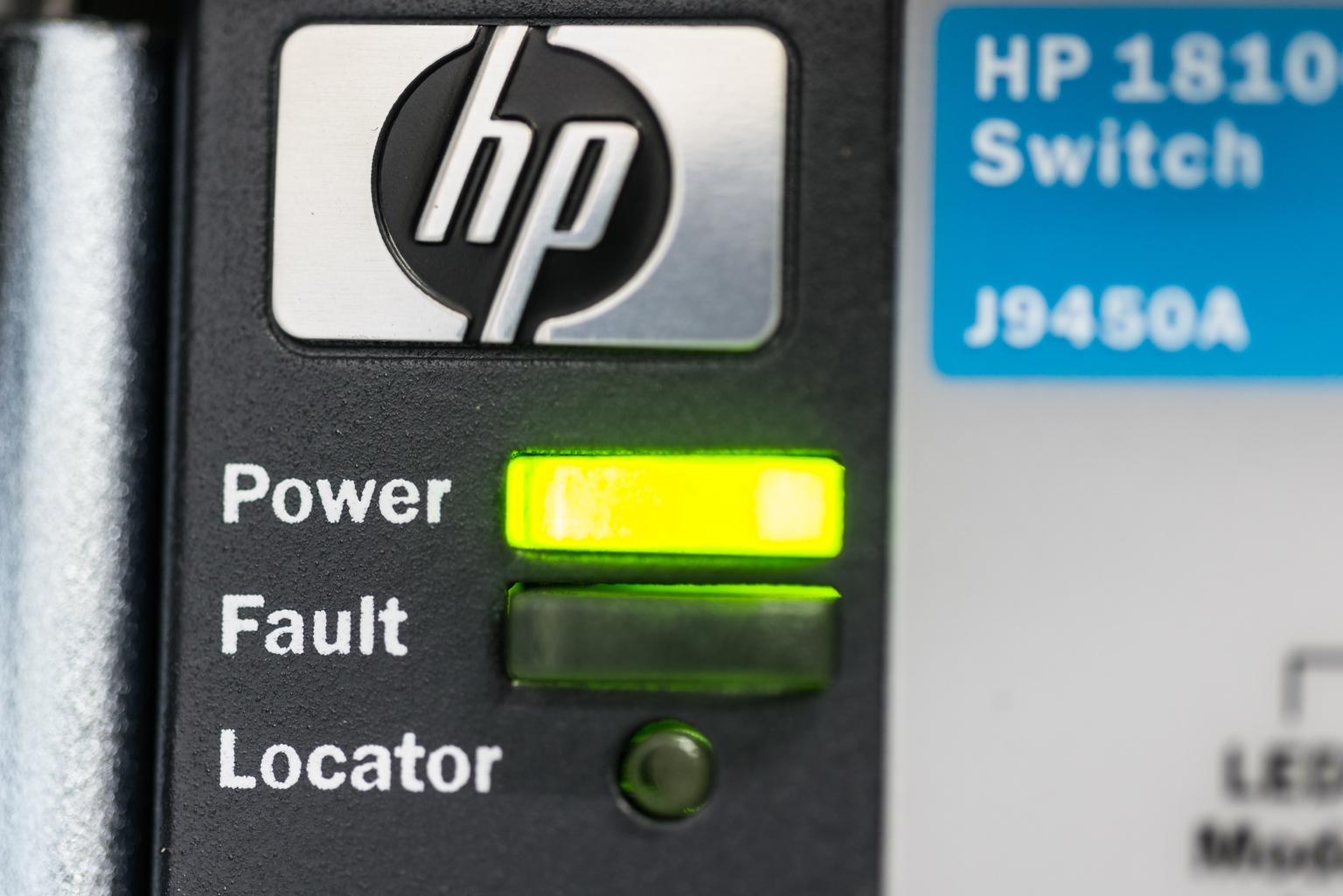
HP Inc. is currently navigating a period of sustained financial contraction as the company contends with a multi-year decline in revenue, earnings per share, and operating margins. While the stock sits near its 52-week low and offers a dividend yield near 6%, the fundamental narrative remains tied to the company's ability to stabilize its core printing and personal systems segments against a backdrop of shifting hardware demand. The current valuation reflects a market skeptical of a near-term turnaround, as the company balances capital returns to shareholders with the necessity of reinvesting in a stagnant product environment.
Structural Contraction and Hardware Demand
The core of the HPQ narrative is the long-term erosion of its primary business lines. Revenue and operating profits have trended downward over the past five years, reflecting a broader struggle to maintain pricing power in the personal computer and printer markets. The company faces a challenging memory environment that complicates inventory management and cost structures. Unlike firms benefiting from the current surge in high-performance computing, HP remains tethered to legacy hardware cycles that are currently experiencing muted consumer and enterprise interest.
Investors evaluating HPQ stock page must weigh the attractiveness of the dividend yield against the risk of further margin compression. The company's strategy of returning capital to shareholders is a significant component of the investment thesis, yet this approach is increasingly scrutinized as the underlying business struggles to generate organic growth. The persistence of these headwinds suggests that the current valuation is a reflection of the company's diminished growth profile rather than a temporary cyclical dip.
AlphaScala Data and Sector Positioning
Within the broader technology sector, HPQ currently holds an Alpha Score of 56/100, which classifies the stock as Moderate. This score reflects the tension between the company's established market presence and the persistent downward pressure on its financial metrics. While other segments of the technology market, such as those highlighted in Apple (AAPL) profile, continue to benefit from ecosystem stickiness and premium pricing, HPQ remains heavily reliant on hardware replacement cycles that have lengthened significantly.
- Revenue and operating profit trends show a consistent five-year decline.
- The dividend yield serves as a primary anchor for the stock price near 52-week lows.
- Memory market volatility continues to impact supply chain costs and inventory valuation.
The Path to Revaluation
The next concrete marker for HPQ will be the upcoming quarterly guidance, which will provide insight into whether the company can stabilize its operating margins despite the ongoing memory market volatility. Investors are looking for evidence that the cost-cutting measures implemented over the last several quarters are beginning to offset the revenue decline. Without a clear path to top-line stabilization, the stock is likely to remain range-bound, with the dividend yield acting as the primary support level. The company's ability to navigate the current hardware environment will determine if the current valuation represents a floor or a value trap in the context of broader stock market analysis.