Commodities● Neutral
How Trump's Secret Oil Moves Through Hormuz Hit Crude
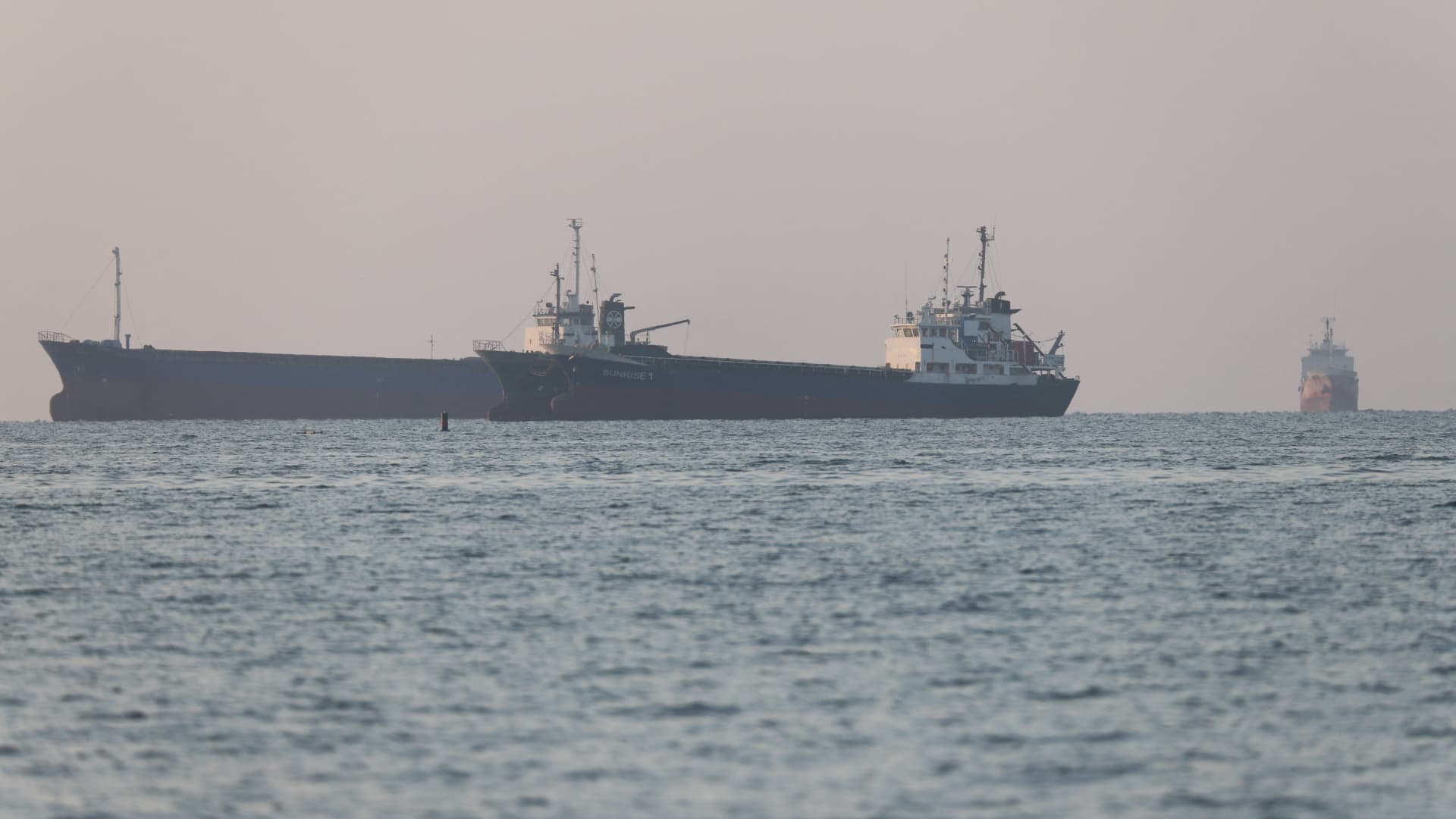
Trump said the U.S. moved millions of barrels through Hormuz without Iran's knowledge, crediting the flow for crude below $100. The claim reshapes tanker risk and oil supply calculus.
Continue with
President Donald Trump said Wednesday that the U.S. has secretly moved millions of barrels of oil through the Strait of Hormuz, a disclosure he credits for crude prices staying below $100 a barrel. “We've been taking out millions of barrels of oil. Nobody knows it. You know who doesn't know about it? Iran, until right now,” Trump told reporters in the Oval Office. He added that the oil moved late at night on 22 ships with no lights, taking advantage of destroyed radar systems.
The claim follows a report from Lloyd's List Intelligence last week that dozens of ships stranded in the Persian Gulf have exited through Hormuz amid quiet coordination with the U.S. Navy. Energy Secretary Chris Wright said Tuesday that oil exports through the strait are “rising very meaningfully,” without giving details. A defense official told CNBC that U.S. forces are communicating with ships seeking safe transit but are not escorting them.
If the clandestine flow is real and sustainable, it changes the supply calculus for a waterway that carries about 20% of the world's crude. The market had been pricing a persistent disruption risk after weeks of tit-for-tat strikes between U.S. forces and Iran. An exchange of fire last week began when three drones were launched toward “civilian mariners that were rightfully transiting regional waters,” according to U.S. Central Command. Secretary of State Marco Rubio told Congress that the U.S. is responding to Iranian attacks on commercial ships and that Iran's drones could hit any part of a vessel, risking an ecological disaster. “If they don't shoot at those ships, we don't shoot but we have to respond,” Rubio said.