Stocks● Neutral
How Rising Rates Hit REITs and Blue Chips Differently
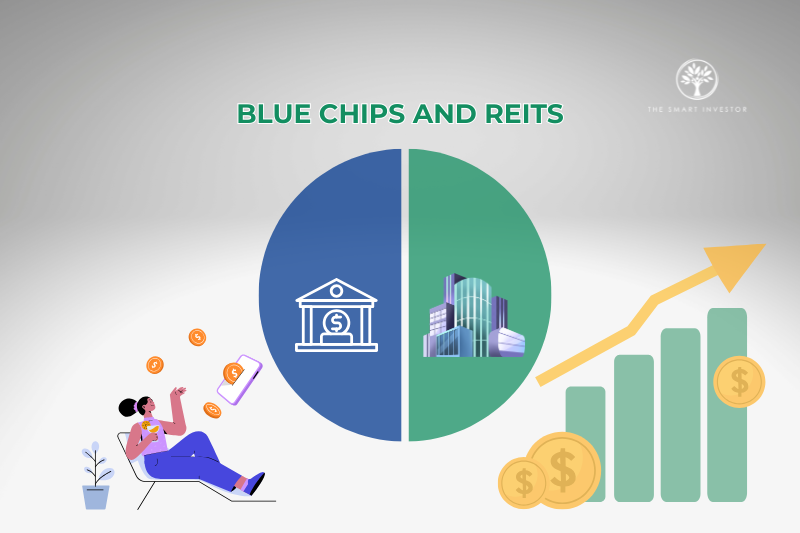
CICT yields 5%, ST Engineering 2.2%. Rising rates hit REITs harder; banks benefit. Balance REITs and blue chips for resilient passive income.
Continue with
Interest rate changes hit REITs and blue-chip stocks from opposite directions. Rising rates raise borrowing costs for REITs, squeezing margins and pressuring valuations. Banks like DBS Group benefit from wider lending spreads. For an income portfolio, that split creates a balancing act.
REITs such as CapitaLand Integrated Commercial Trust (CICT) and Parkway Life REIT own physical assets and pay out at least 90% of taxable income. That rule gives them high starting yields. CICT yields about 5%. Blue chips like ST Engineering yield 2.2%. The trade-off: REITs offer more income today; blue chips offer dividend growth over time.
DBS paid S$3.06 a share in FY2025, up from S$0.54 in FY2015. That fivefold increase shows how blue chips can lift income with rising profits. ST Engineering, with its aerospace and defence contracts, has a similar record of steady payouts.
The risk event is the next rate move. If the Fed cuts, REITs could rally. Lower borrowing costs would boost valuations. If rates rise, REITs face headwinds. Blue-chip banks would gain from higher rates. Other blue chips with debt could see pressure.
Exposure is not uniform. CICT and Parkway Life have strong balance sheets and high-quality assets. They can weather rate changes better than highly leveraged REITs. DBS and ST Engineering have low debt and consistent cash flow. Their dividends are more predictable.