Stocks● Neutral
How Oklahoma's SEED OK Experiment Informs Trump Accounts
A controlled trial in Oklahoma gave 1,000 newborns $1,000 in 529 accounts. College enrollment hit 64% versus 40% statewide. Trump Accounts launch July 4 with the same seed, but costs still outpace balances.
Continue with
A long-running experiment in Oklahoma offers the closest thing to a controlled trial on child savings accounts. The findings arrive just as Trump Accounts, a new federally seeded program, prepare to launch July 4.
SEED OK started in 2007. Thousands of Oklahoma newborns were randomly selected. Half received a $1,000 deposit in a 529 plan. The other half got nothing. Researchers at Washington University in St. Louis tracked both groups for 18 years.
“In the treatment group, 100% still hold assets,” said Jin Huang, co-director of the Center for Social Development, which designed and ran the study. Total wealth in those accounts is “much, much higher” than in the control group, he said. College enrollment among treated children is on track to hit 64%. The state’s typical direct-enrollment rate is 40%.
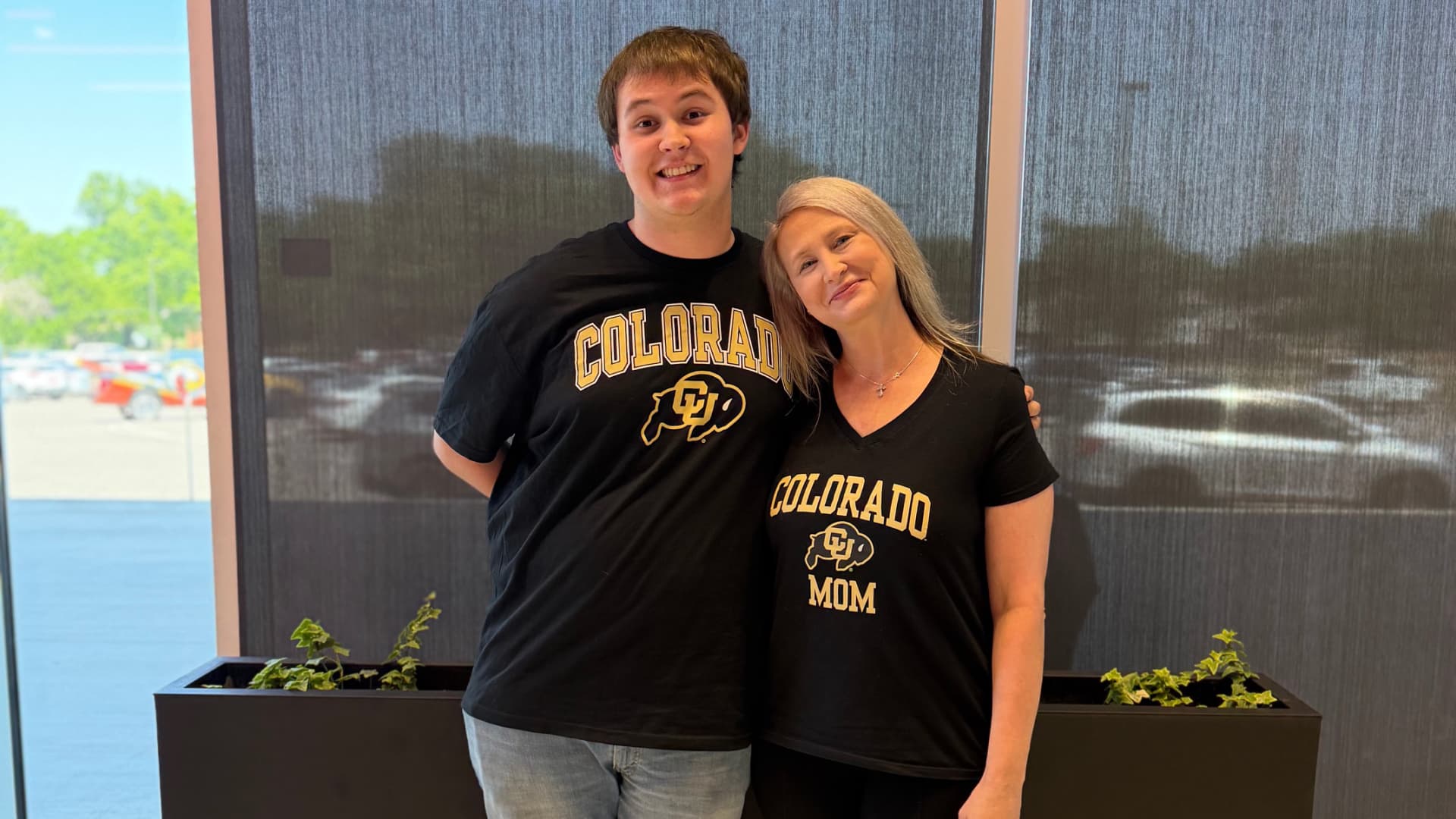
The effect appears behavioral, not just financial. Monica Rachelle, a single mother and healthcare worker in Oklahoma, was selected while still in the hospital after giving birth. She said the account served as a constant reminder college was possible for her son. She picked up extra shifts and started saving. “It was a door that opened,” she said. Her son Hayden was accepted to the University of Colorado Boulder, the first in their family to pursue a bachelor’s degree.
Maine started a similar program in 2013, giving every newborn a $500 grant from the Alfond Scholarship Foundation. Families were twice as likely to expect their child to go to college, according to the National College Attainment Network. Pennsylvania and California have also run versions.
“Having a dedicated college savings account changes parents’ outlooks for their kids,” said Madeline Brown, senior policy associate at the Urban Institute. “Kids are going to college and using these dollars.”