Fenway Sports Group bought Liverpool FC in October 2010 for £300 million. The club was hours from administration. Almost 16 years later, FSG is selling a minority stake at a valuation of $6 billion.
The return on that investment, if the deal closes, will be among the biggest in sports ownership. The buyer is a syndicate led by British-Indian entrepreneur Amit Bhatia. FSG confirmed it is in talks.
Liverpool won two Premier League titles and one Champions League under FSG's tenure. The club was restored to its former glory. The price tag reflects that.
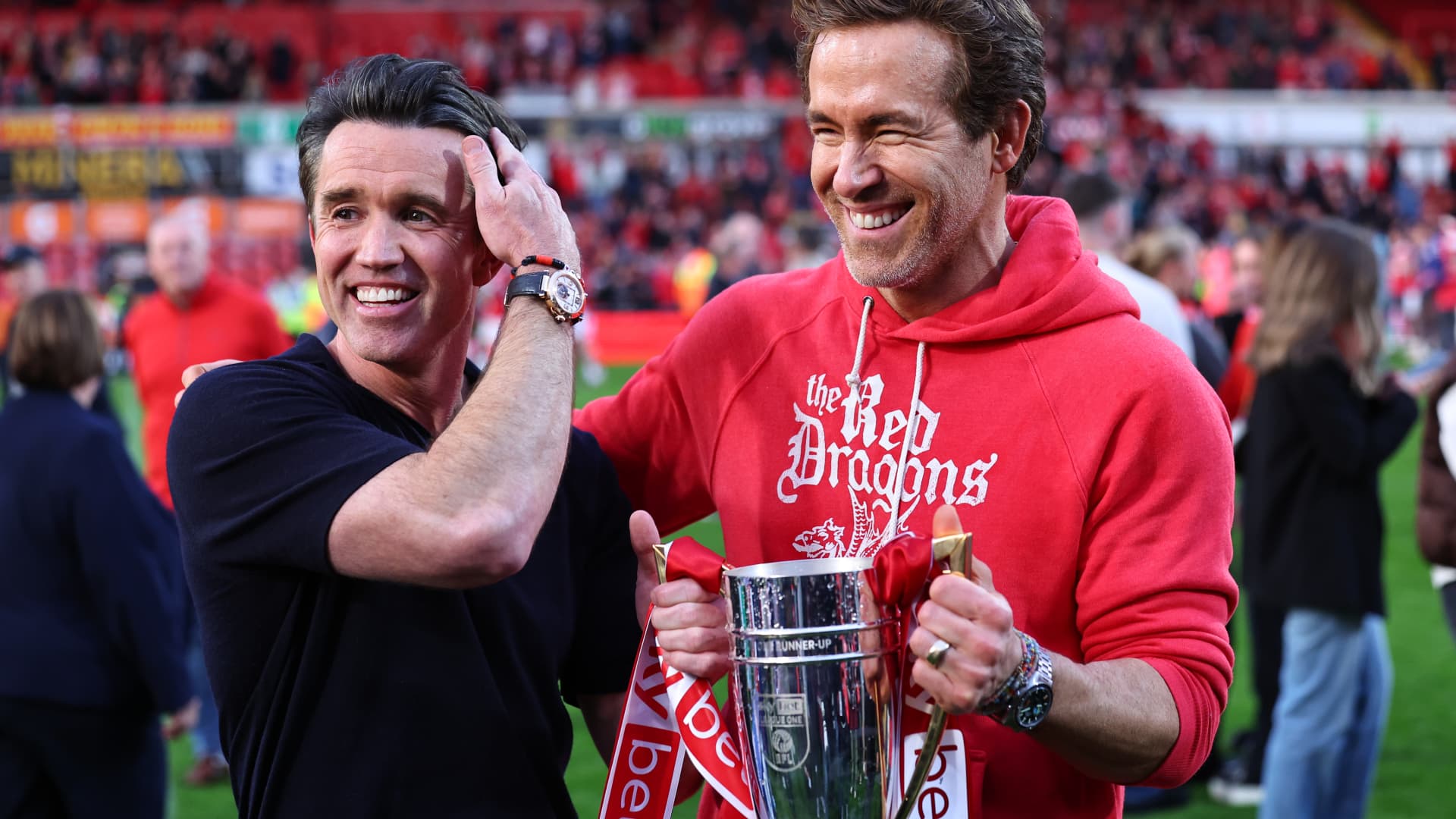
American control of Premier League sides now covers 11 of the 20 clubs in the division. The Glazer family's takeover of Manchester United in 2005 opened the door. Since then, the list has expanded to include Arsenal, Chelsea, and Liverpool. Below the top tier, celebrity investors have moved in. Ryan Reynolds and Rob McElhenney bought fifth-tier Wrexham in 2020. Snoop Dogg took a stake in second-division Swansea City this year.
The roots of the opportunity lie in the operating model of British clubs, sports finance analysts told CNBC. Teams have traditionally been run for fans, not for profit. Most are loss-making. Only eight Premier League clubs reported an operating profit in the 2024-25 season, according to Deloitte. The league as a whole posted combined pre-tax losses of £948 million ($1.26 billion). Those losses are partly driven by underdeveloped commercial revenue streams, Deloitte said. New owners see room to improve match-day income, merchandising, and media rights.
The push to commercialize faces a constraint. Alienating supporters can backfire. Deloitte warned that frustrations among fans at the top end of the game are building and that many may step away from live matches. The risk is real for any owner who tries to squeeze too much revenue too fast.
TV money remains the core of the financial model. Premier League clubs shared more than £3.3 billion in broadcast revenue in the 2024-25 season, Deloitte said. That sum represents about half of total club income. The rights are sold to Sky Sports, TNT Sports, and streaming platforms such as Amazon Prime. The proceeds are split 50% equally among the 20 clubs, 25% based on league position, and 25% based on the number of televised matches. The structure ensures that even the bottom club gets a meaningful payout.
Scarcity is the other pillar of the valuation thesis. There are only a few dozen elite football clubs in the world. Most date back to the late 1800s. "Football clubs are a rare asset, and arguably the ones in the UK are the rarest with the oldest histories attached to them," Amber Pinto, partner at sports investment agency Pinto Capital, told CNBC. "Live sport is also one of the only things that can't really be replaced by artificial intelligence. There is simply no way to replicate it online."
The $6 billion price tag on Liverpool is not out of line, according to Kieran Maguire, associate professor in football finance at the University of Liverpool. "The $6 billion figure is not overly frothy in today's market, rather it is indicative of the scarcity of elite football clubs and the willingness of multi-billionaires to invest in them," he told CNBC.
Listed clubs have not delivered the same returns. Manchester United shares are up only 30% over the past five years and remain below 2018 highs. Juventus shares have fallen nearly 70% over the same period. The lesson is that growing revenues do not automatically translate into shareholder returns. The public market prices in the risk of overpaying for a club with limited upside.
Pinto said the deal cycle is "maturing" after a hot market in previous years. Wrexham's story, captured in the "Welcome to Wrexham" TV series, has been a catalyst for the sport becoming an asset class of its own. "The deal cycle has become slightly longer and more complex," she added. "There is a football regulator for the first time, significant institutional players involved from finance and media, and football is now seen as an exportable, global product, for example Wrexham."
For the wealthy, the allocation is increasingly deliberate. "Years ago, ultra-high-net-worths, family offices and fund managers wouldn't have looked at a specific sport allocation, but now it is very much on the agenda," Pinto said.
Liverpool's minority stake sale is expected to close in the coming months. The price will set a benchmark for other clubs considering similar transactions.