Some versions of "I've never felt more burned out than since I started using AI" are showing up in coaching sessions across Silicon Valley.
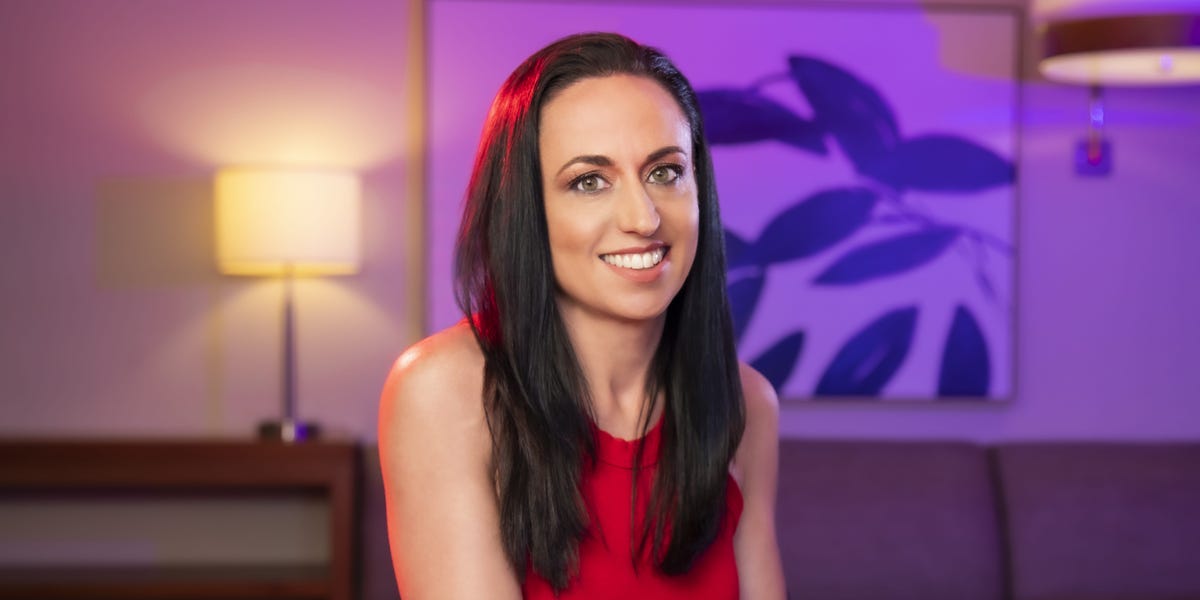
Jenny Maenpaa, a psychotherapist and author of "The Mental Strength Playbook," said founders who come to her for mental strength coaching describe a paradox. AI promised to hand back time and energy. Instead, many feel less productive and more emotionally exhausted than they did a year ago.
AI eliminates repetitive work – cleaning spreadsheets, reformatting slides. Those tasks gave the brain a break between high-cognitive-load decisions. Without them, the workday becomes a string of important choices with no recovery interval. Founders operate at full intensity from start to finish, Maenpaa said.
Output may rise, but capability can stagnate. Before AI, someone wanting to improve at sales would struggle through writing scripts, learn from mistakes, and get better. If AI writes the scripts, the skill never develops. The result is a feeling of ineffectiveness – a core symptom of burnout – without the counterbalance of getting good at something that makes hard work feel worth doing.
Founders also hear rumors that AI is catapulting competitors ahead. Maenpaa said there is rarely a way to verify such claims, but the uncertainty creates urgency. Some founders respond by working more. Others add multiple AI tools each quarter, hoping to relieve pressure, only to end up managing more tools while each one promises to help them do more in less time.
Loneliness compounds the problem. Founders often feel isolated from friends who cannot relate to their work or disconnected from family due to long hours. AI may deepen that isolation. Rather than having an administrative team or an executive assistant, a founder might be alone, staring at a screen all day. Loneliness has been linked to poorer sleep, high blood pressure, weaker immune systems, and higher stress hormones, Maenpaa noted.
In the past month, two high-profile AI executives – Lilian Weng of Thinking Machines Lab and Fidji Simo of OpenAI – announced they were stepping back due to ongoing health reasons. (The day after announcing her departure from Thinking Machines Lab, Weng was confirmed to be joining OpenAI as the leader of a team focused on accelerating internal research.) In her goodbye note, Weng wrote that if she could not give 100% to what she was responsible for, she was failing at her job.
Maenpaa hears similar thinking from the founders she works with. They believe they are either at 100% all the time or failing. Because of that, they do not rest, even when tired or sick. Simo acknowledged that a lot of what made her successful also made the decision hard. Maenpaa sees the same pattern: the drive that got a company off the ground will not let them slow down.
One founder kept telling himself he would sleep once things slowed down. He would spend quality time with his kids once he could come up for air. Things did not slow down. It was not until he overheard his son telling a friend, "I don't have the kind of dad who can come to baseball games and stuff," that he realized his kids were growing up while he waited.
Maenpaa draws a distinction between depletion and burnout. "I'm depleted, and something has to change" is different from "I'm burned out." Someone labeling themselves as burned out can turn it into a self-fulfilling prophecy, stopping the search for solutions.
Founders who manage well despite the stress share some patterns, Maenpaa said. They realize they cannot optimize everything – including their health – while working 90 hours a week, regardless of how many AI bots they run. They are often willing to trade potential revenue to stay in the game for the long haul.
When AI saves time, they do not fill the hours with more work. They automate tasks they do not care about mastering but keep doing things they want to improve. They also do not eliminate every boring task, because they want to give their brain a rest between hard decisions.
Rather than aiming for an impressive 3:30 a.m. morning routine, they might focus on sixty seconds of slow breathing between meetings or take 15 minutes to walk outside during lunch. Some of the happiest and healthiest founders protect time with family the same way they would protect an important meeting with an investor, Maenpaa said. They are intentional about it and accept that there may be a trade-off.