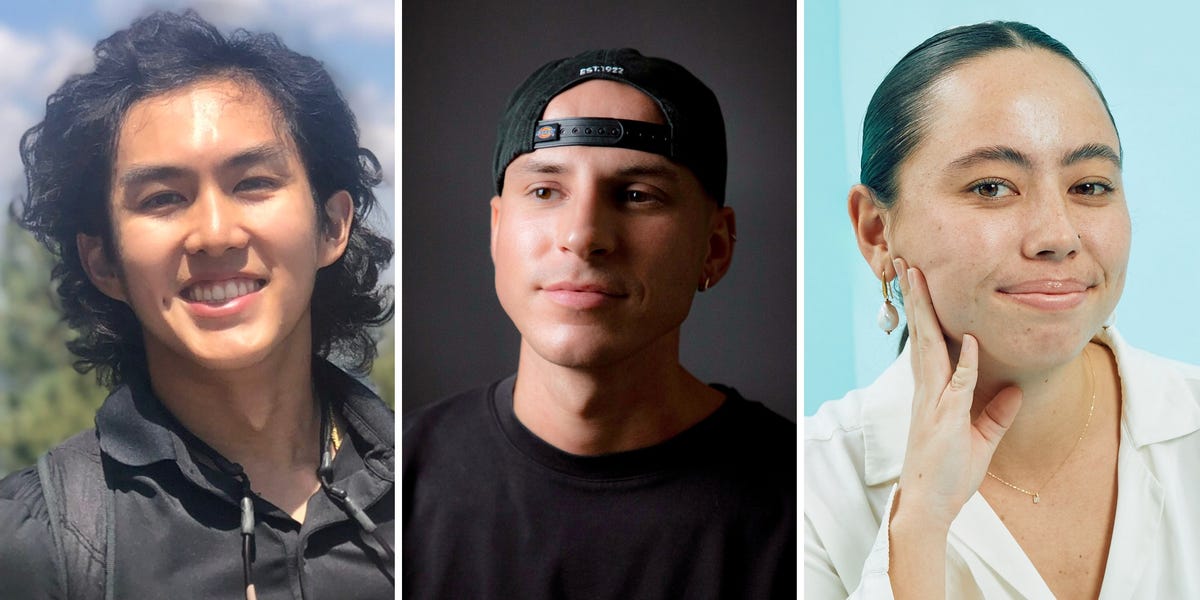
Three Tinder interns who converted 27 internship spots into full-time roles said being active users and sharing their Gen Z perspective helped them stand out.
Tinder's internship program draws 30,000 applications a cycle for 27 spots, a company spokesperson said. Three former interns who converted those slots into full-time roles shared what made them stand out.
The common thread across all three: being active Tinder users who could speak from the customer's perspective.
Ryan Stewart, 28, joined as a design intern in London in 2021. He said being a regular Tinder user gave him an edge during the interview.
"Knowing the product, if you have that insight that you can show, that's a gold star," Stewart said.
His location helped. London's smaller team gave him more visibility and chances to meet people across departments. He scheduled one-on-ones with senior directors, asking about the business. The conversations felt intimidating at first. Approaching them with curiosity worked.
"If you're seen as being curious, there's no wrongdoing there," Stewart said.
When his internship ended, he pitched a full-time role based on gaps he found during the program.
"My mindset was: The worst thing they say is 'no,' and I'm already leaving anyway," Stewart said. "So I might as well give it a shot."
Eric Brandon Kam, 28, discovered Tinder's internship in 2020 after downloading the app for the first time. He works in Tinder's Palo Alto office. He said his cover letter, which mentioned a Tinder date, helped him stand out against thousands of engineering applicants. He highlighted his user experience to show he understood the product from a customer's angle.
During the internship, he applied multidisciplinary engineering principles from Stanford. He said Tinder's culture pushes engineers to take strong ownership.
"Instead of just implementing tickets, I gave my own perspective on how we could better engineer a project to prioritize both user outcome and long-term code health," Kam said.
He stayed curious and talked constantly with coworkers, asking about their work. He said that mattered "especially important for a remote internship."
Taylor Wong, 25, started as a marketing intern in 2022 after a study abroad roommate whose uncle worked at Tinder told her about the program. She extended her internship three times and worked part-time through college before getting an offer the spring of her senior year.
"I just kept sticking around," Wong said.
Wong said being part of Tinder's core audience gave her an advantage. The company focuses heavily on Gen Z users, so colleagues regularly asked for her insight. Speaking up in meetings with older, more experienced staff was intimidating at first. She said the team genuinely valued her perspective.
"When you are the Gen Z person in the room, everyone wants your opinion," Wong said. She told other interns to "lean into that superpower."
Prepared with AlphaScala editorial tooling from the source reporting linked above. Indexable analysis may include a cited Alpha Score value. Publishing checks screen each story before release. Educational coverage, not personalized advice.