Commodities● Neutral
Houthi Attack on Saudi Refinery Tests New Defence Pact
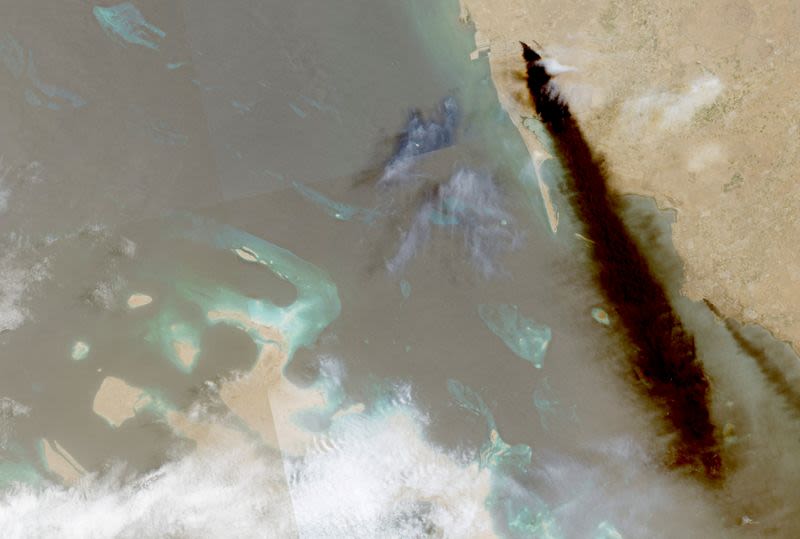
Houthi drone strike on Aramco's Jazan refinery follows Saudi-Turkey-Pakistan defence pact. The alliance faces its first test as Yemeni port also hit, killing seven.
Continue with
Yemen's Iran-aligned Houthis attacked Saudi Aramco's Jazan refinery with a drone on Sunday, the group said, two days after the kingdom signed a defence pact with Turkey and Pakistan. The alliance, announced Friday, is intended to deter aggression against any of the three Sunni Muslim U.S. allies. It was not clear whether Pakistan or Turkey would join any Saudi response.
Houthi military spokesperson Yahya Saree posted on X that the drone struck the refinery, which processes 400,000 barrels of crude oil per day in southwestern Saudi Arabia. The Saudi energy ministry confirmed a fire broke out but was extinguished with no injuries. It did not give a cause.
In a separate statement, Saree said the Houthis carried out missile and drone strikes on the Yemeni Red Sea port city of Mocha. The port, controlled by the Aden-based government, sits close to the Bab el-Mandeb strait, a strategic chokepoint linking the Red Sea to the Gulf of Aden. Three Yemeni government sources told Reuters that air defences were engaging drones launched towards the commercial quay and storage. The Yemeni military spokesperson said the attack killed seven people. The transportation ministry said it caused severe damage to the port's infrastructure.
The defence pact, signed Friday, stipulates that an armed attack against any of the three – Saudi Arabia, Turkey, or Pakistan – would be regarded as an attack on all. Turkish Foreign Minister Hakan Fidan said on Friday the alliance was not directed against Iran or any other country, but served as a general pledge to support the three allies' security. He said the allies would decide through consultations what degree of support they would provide in the event of an attack.