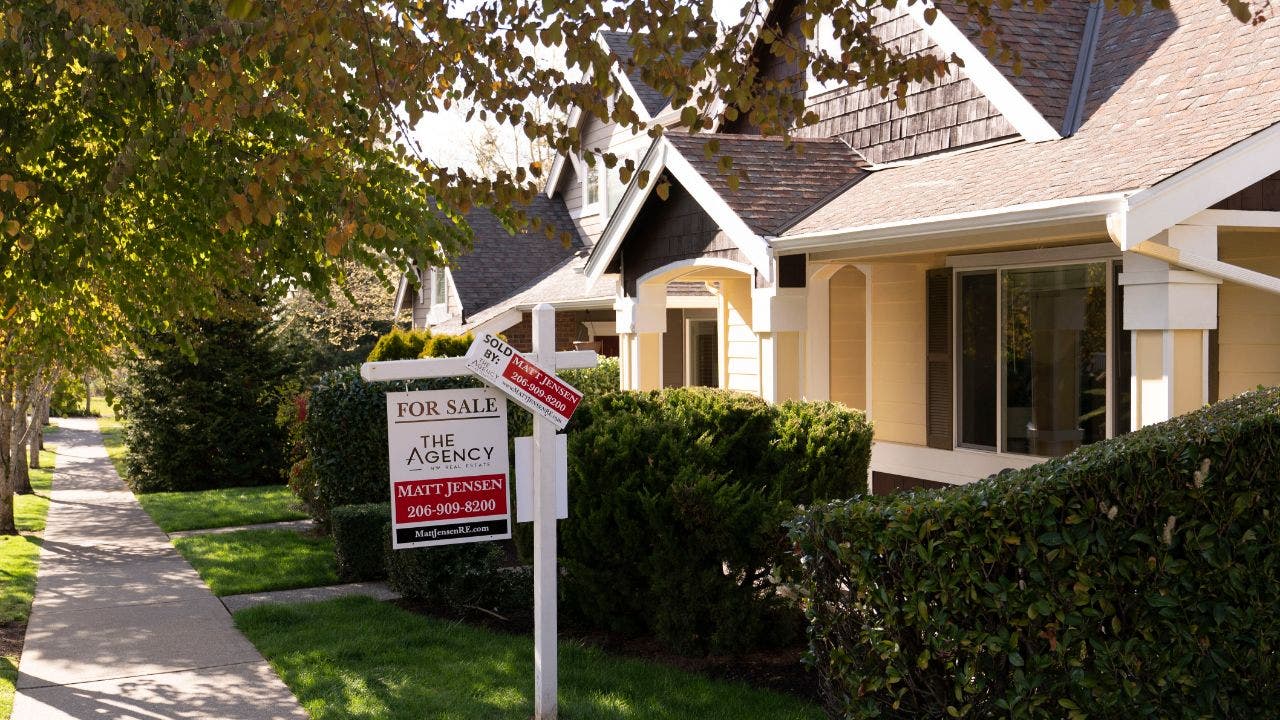
The U.S. housing market is splitting into two distinct tracks, with demand for luxury homes surging while starter-home buyers pull back despite growing inventory, according to a new Zillow report.
Nowhere is the divergence more dramatic than in San Francisco. Luxury home sales there jumped 21.6% year-over-year in May, with inventory falling and fewer listings cutting prices. Starter-home sales in the same metro area slipped 1.2%, and 22.2% of starter listings had price cuts in June, more than double the 9.4% rate for luxury homes.
Nationally, Zillow defines starter homes as properties in the 5th to 35th percentile of regional home values, worth about $202,000 on average, up 2.3% from a year ago. Luxury homes, in the top 5% of values, run about $1.9 million, up 3.1%.
Inventory tells the opposite story at each end. Starter-home listings rose 4.5% year-over-year in June. Luxury listings fell 5.2%. Price cuts were also more common for entry-level properties: 25% of starter homes had their asking price reduced in June, compared with 20.6% for luxury listings.
"The best time to buy a home is when nobody else wants to," said Kara Ng, senior economist at Zillow. "Starter home buyers today have more options, more negotiating power, and sellers who are more willing to deal."
The problem is that many would-be buyers cannot act. Elevated inflation, weak consumer sentiment and a slowing job market are squeezing household budgets, Zillow noted. Those pressures make it harder to save for a down payment and harder to commit to a mortgage, even when supply is more favorable.
"The challenge is that the same financial pressures making it harder to save for a down payment are also making it harder to take advantage of that opportunity," Ng said.
Higher-income households face none of those constraints. Stock market gains have boosted their purchasing power, and demand for luxury homes is running strong. The report captures a market where the same economic forces create opportunity for one segment and obstacles for another.
Markets with the biggest year-over-year increases in starter homes sold through May were Louisville (19.3%), New Orleans (12.9%), San Jose, California (10.5%), and Miami (8.2%). The hottest luxury markets over the same period were Memphis (42.4%), Nashville (40.8%), Cincinnati (32.6%), Austin (27.7%) and Birmingham, Alabama (25%).
The divergence between the two ends of the market is the most significant in San Francisco, which saw luxury home sales surge 21.6% year over year in May, with inventory falling sharply and fewer listings cutting prices.