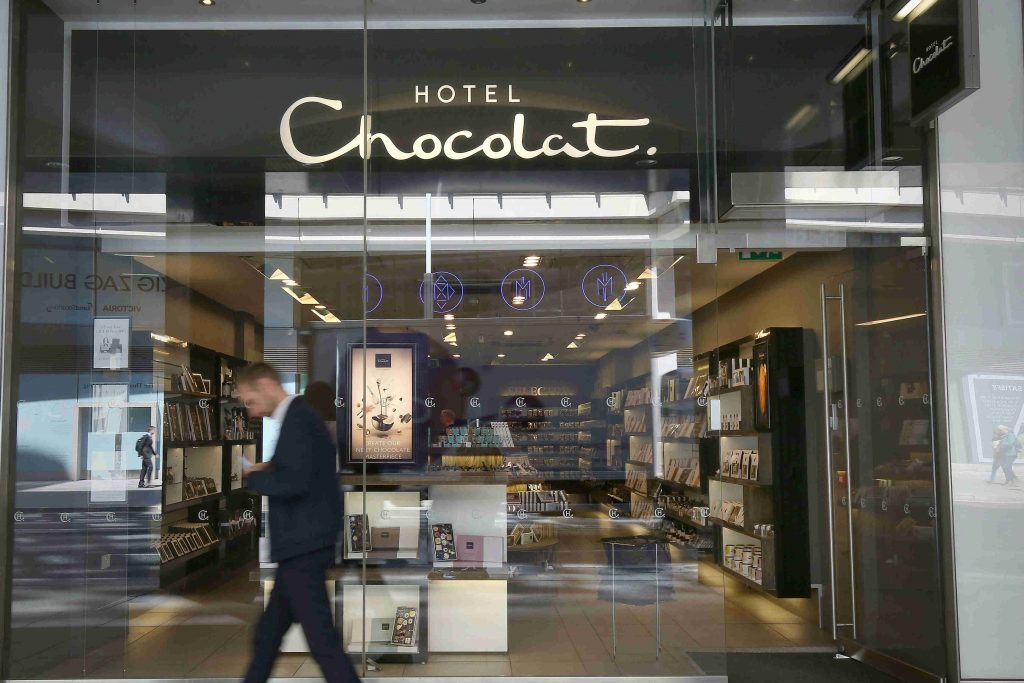
Hotel Chocolat closed a London store and deployed emergency cooling after 38C heat threatened its chocolate stock. Mars-owned chain now faces broader retail disruption as UK footfall dropped 3.8% in July.
Hotel Chocolat closed one of its London stores last week and brought in emergency cooling equipment after temperatures hit 38.1C, threatening to melt its chocolate stock.
The Mars-owned chocolatier deployed additional air conditioning units and fans across parts of its estate as the heatwave peaked. Its Marylebone branch temporarily shut after struggling to keep the shop cool. At the London Bridge store, a large fan replaced broken air conditioning.
The company said it had "put extra measures in place, including bringing in additional air conditioning units, and are monitoring temperatures throughout the day." It added: "Our priority is to always do what's right for our staff, products and customers."
Hotel Chocolat recommends chocolate be stored at 18C to 20C, calling heat and humidity its "two worst enemies." Cocoa butter starts melting at roughly 34C to 38C, which can alter chocolate's texture and appearance.
The retailer was acquired by Mars for £534m in January 2024. Co-founder Angus Thirlwell stayed on as CEO. The chain now runs more than 160 UK stores along with cafes, bars and restaurants.
The heatwave created operational headaches across retail, not just for chocolate sellers. Refrigeration and cooling systems came under pressure. High street footfall dropped 3.8% year-on-year in July, the British Retail Consortium and Sensormatic reported. London footfall fell 5.3% as shoppers avoided travel and shopping in the heat.
British Retail Consortium chief executive Helen Dickinson said retailers were investing in more air conditioning and efficient refrigeration as extreme temperatures become more frequent. "Climate change continues to deliver more and more extreme temperatures in the UK," she said. "Retailers are responding by investing in both mitigations and in sustainability initiatives aimed at reducing carbon emissions."
Drafted by a large language model from the source reporting linked above, then screened by automated publishing checks. It is not read by a journalist before publication. Some articles cite our Alpha Score. Verify prices and figures against the original source. Educational coverage, not personalized advice.