Commodities● Neutral
Hormuz Tanker Crossings Stay in Single Digits After Weekend Dip
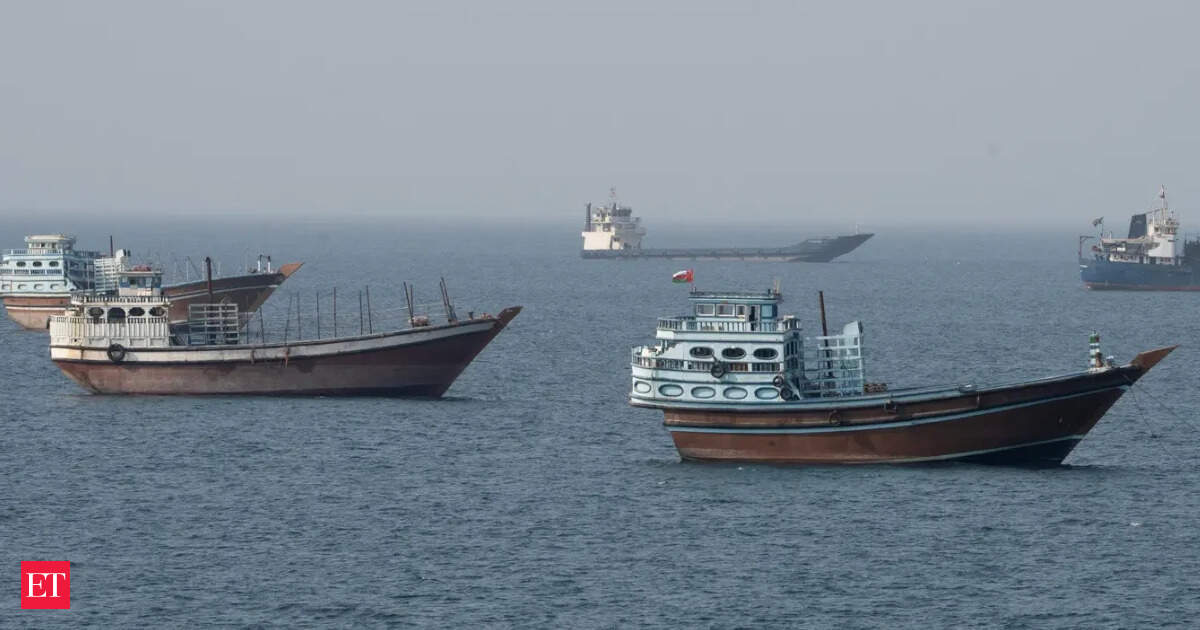
Tanker crossings through the Strait of Hormuz rose to three Monday from two Sunday, still far below the pre-crisis average of 17 per day. Insurance rates remain elevated.
Continue with
Tanker transits through the Strait of Hormuz rose slightly Monday but remained in single digits, according to vessel-tracking data, as the risk of regional escalation continues to cap crude flows through the world's most important oil chokepoint.
Three tankers passed through the strait on Monday, up from two on Sunday but still well below the pre-crisis average of roughly 17 vessels per day. The data, compiled by Vortexa and reviewed by AlphaScala, excludes military and smaller support craft. The persistently low count suggests commercial operators are still unwilling to risk the passage despite the absence of new military incidents since Friday.
Insurance premiums for Hormuz transits have not come down from the spike triggered by the initial confrontation, brokers said. War-risk rates remain elevated and several major shipping lines have not resumed normal scheduling. The result is a de facto partial blockade driven not by a formal naval closure but by the market's own risk pricing.