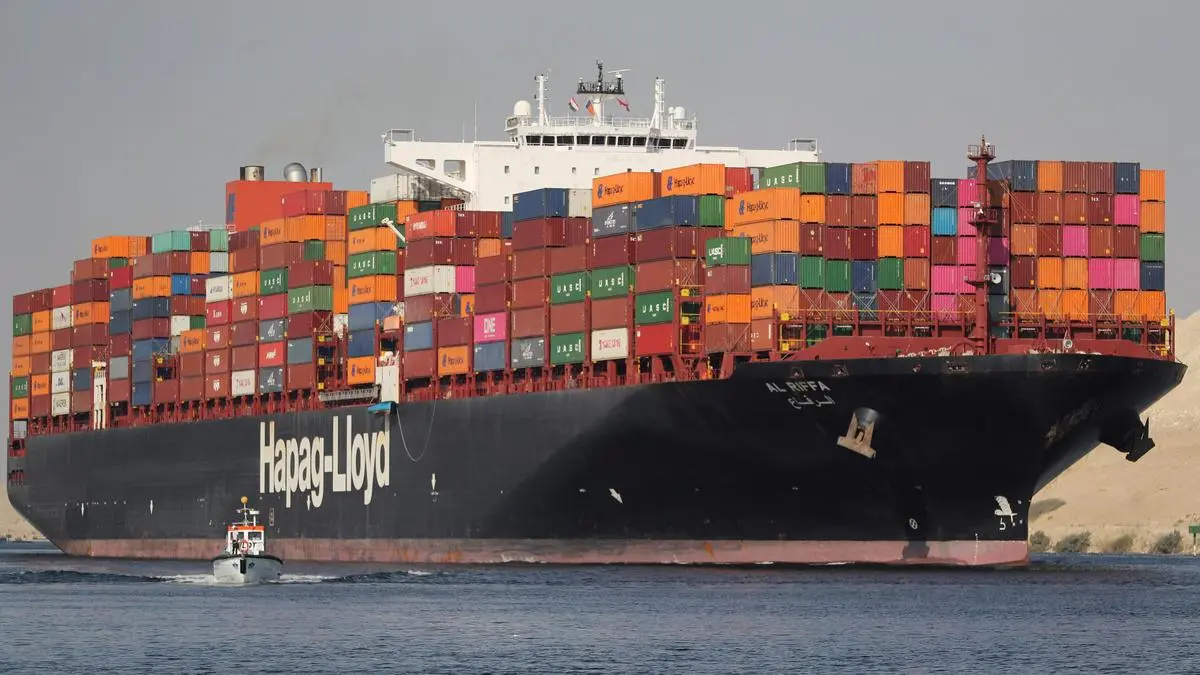
Hapag-Lloyd estimated the West Asia conflict added roughly $600 million in costs during the second quarter of 2026. The German shipping line reported higher expenses across bunker fuel, insurance, storage, rerouting and inland transportation.
Maersk, which reported alongside Hapag-Lloyd on Thursday, said its average bunker price jumped 44% to $777 per fuel-oil-equivalent tonne. Total bunker costs rose 36% to $2.1 billion in the quarter. Container-handling costs climbed 11%, driven by congestion, higher storage fees and increased volumes.
Both carriers move substantial volumes of Indian cargo. The Strait of Hormuz disruption is creating a two-sided cost squeeze: higher operating expenses for the lines and higher freight bills for customers. An official at a large freight forwarding company said the ability of shipping companies to pass on costs through freight rates will determine how much of the financial impact stays with carriers and how much moves down the global supply chain.
Freight rates are already rising. Hapag-Lloyd's average rate increased 9% year-on-year. Maersk's average loaded freight rate rose 22% to $2,746 per FFE, with East-West rates up 28% and North-South rates up 21%.
Maersk introduced alternative routing and extra vessel capacity to keep cargo moving. Of the 47,000 containers affected by the disruption, 44,000 reached their destinations through alternative logistics solutions, the company said.
The broader freight market has also responded sharply. The Shanghai Containerized Freight Index nearly doubled from $1,656 per TEU at the end of 2025 to $3,240 per TEU at the end of June 2026, reflecting higher oil and transportation costs as well as exporters bringing forward cargo to protect against further supply-chain disruptions.