Hormuz Deadlock Lifts Oil 6%, India Braces for $5-10B Import Hit
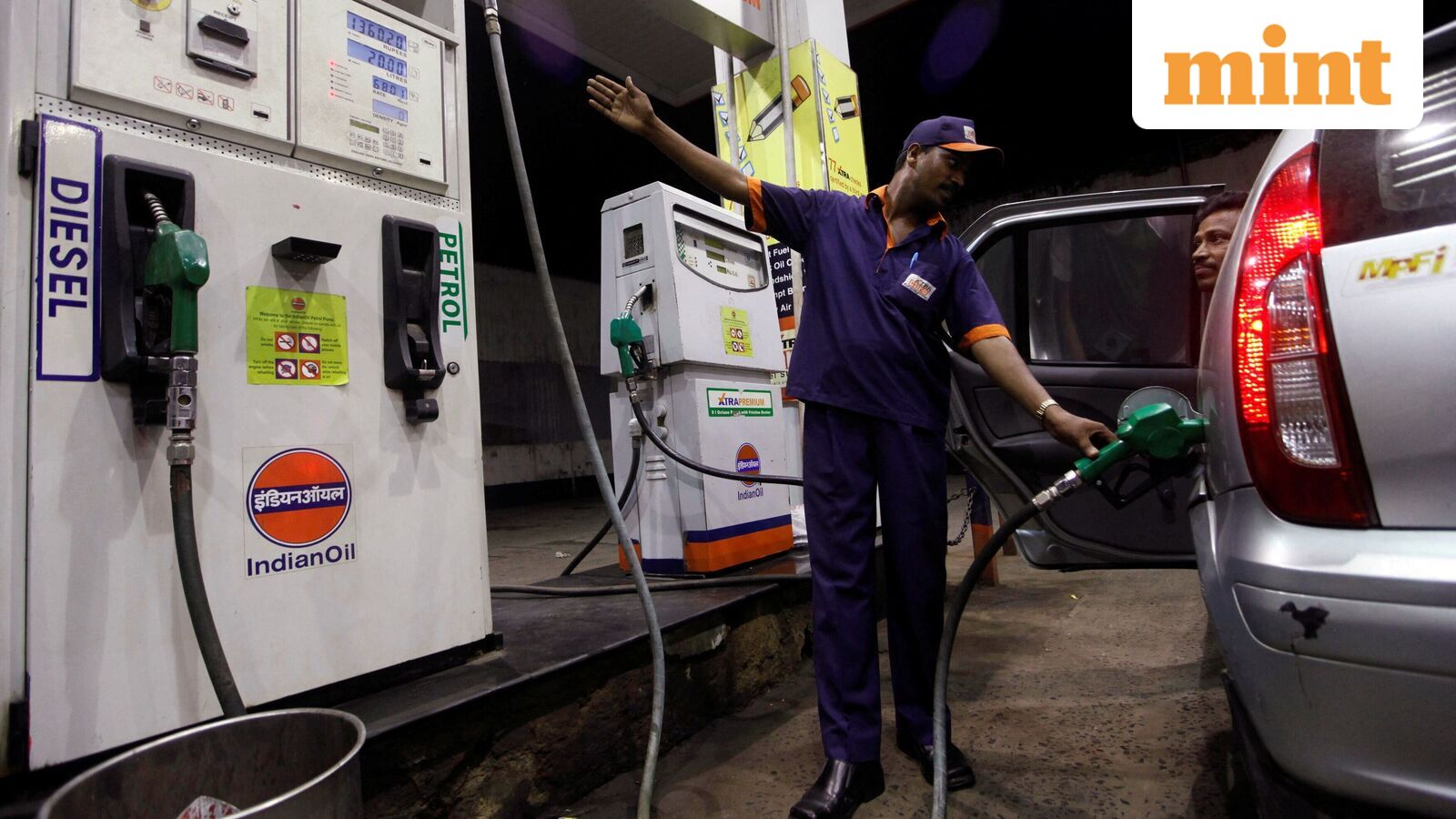
Crude oil settled 1.67% higher at $88.52 after Iran said no deal reopening Hormuz. India faces a $5-10 billion import bill hike if it cuts Russian crude, an economist warned.
Crude oil settled at $88.52 a barrel on Friday, up 1.67%, and Brent posted a near-6% weekly gain after talks between Iran and the United States failed to break a months-long deadlock over the Strait of Hormuz. Iranian Foreign Minister Abbas Araghchi said on Saturday that an agreement with Oman would not mean the strait reopens. "We have not yet made a decision to resume negotiations with the US," he wrote on Telegram.
For India, the disruption cuts directly into an already stretched import bill. The country buys roughly half its oil from Russia, taking advantage of steep discounts. Washington has proposed a sanctions bill that would impose tariffs of up to 100% on major buyers of Russian energy. If India cuts its Russian crude purchases by 50%, the annual oil import bill could rise by $5-10 billion, according to Santosh Mehrotra, an economist and former UN advisor, as quoted by ANI. Mehrotra said the reduction would also push up inflation by about 0.3 percentage point and put pressure on the rupee and the current account deficit, which has run at 0.6-0.7% of GDP in recent years. "In today's date, we have to keep in mind that our dependence on Russia is about 50% for the oil supply," he said.
India's $5-10 Billion Russian Crude Exposure
Mehrotra's warning came after the Indian government adjusted its own export levies on petroleum products. The Ministry of Finance's Department of Revenue on Friday cut the Special Additional Excise Duty on diesel exports to ₹24 per litre from ₹25.5. The levy on petrol exports was set at zero per litre. The tax on aviation turbine fuel was reduced to ₹19.5 per litre from ₹22. The fortnightly revisions, reintroduced in March during the US-Iran conflict, are designed to keep domestic fuel supplies stable by discouraging exports.
Fuel prices at the pump were unchanged across Delhi, Mumbai, and Bengaluru on Sunday. A sustained Hormuz disruption would squeeze supply before prices rise, affecting Indian consumers. Araghchi said any deal with Oman "depends on fulfilling other conditions that the US must abide by." Mediators from Qatar and Pakistan continue to pass messages. No formal negotiations are underway.
A resolution that reopens the strait and allows normal tanker traffic would ease the supply outlook and reduce the need for India to lean on Russian crude at discounted rates. An escalation, whether a direct confrontation in the Gulf or new US sanctions on Russian oil buyers, would push global prices higher and accelerate the $5-10 billion import cost that Mehrotra outlined. For more on oil markets, see the crude oil profile.
Drafted by a large language model from the source reporting linked above, then screened by automated publishing checks. It is not read by a journalist before publication. Some articles cite our Alpha Score. Verify prices and figures against the original source. Educational coverage, not personalized advice.