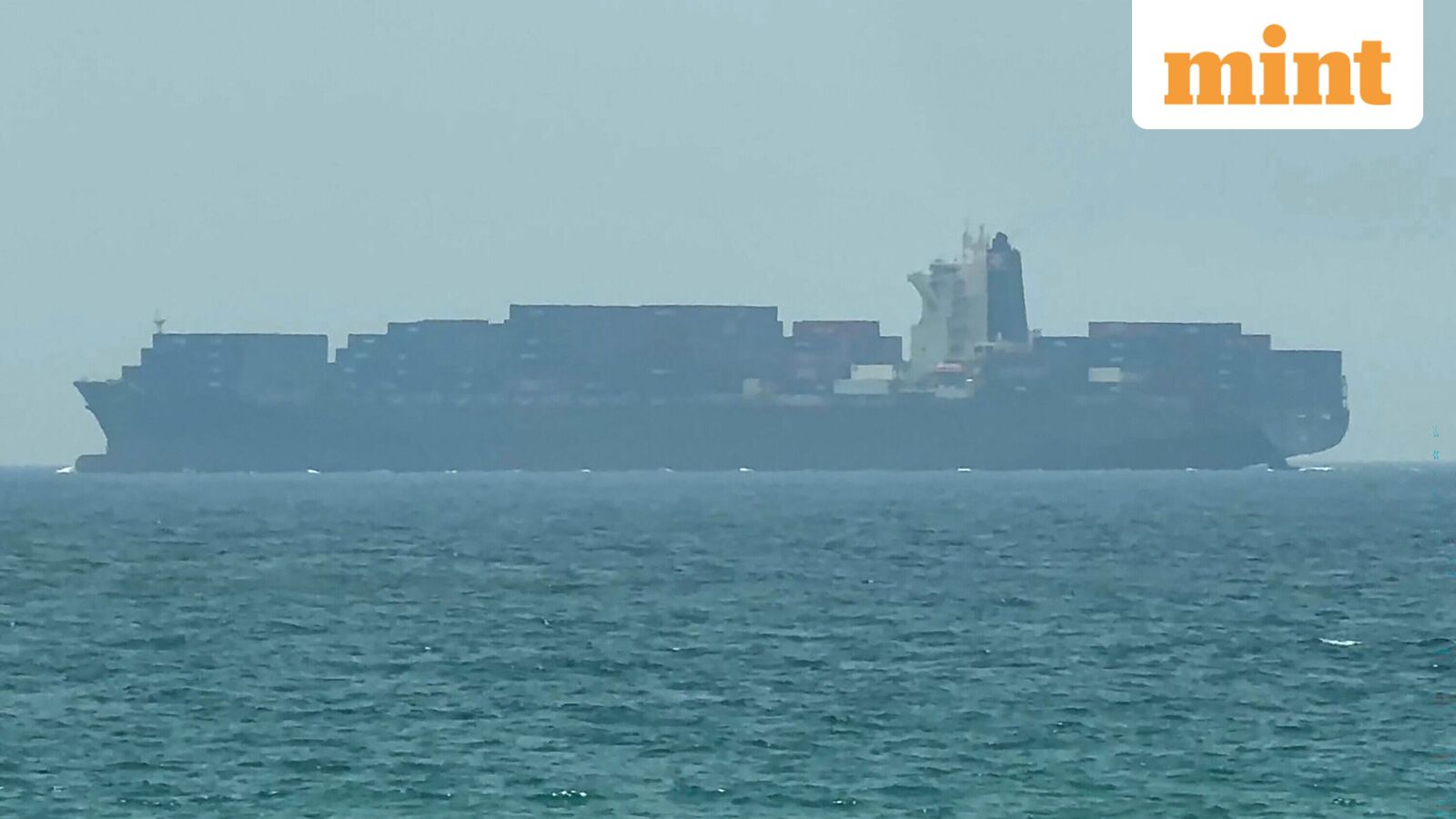
US strikes on Iran after a container ship attack escalate Hormuz tensions. With 20% of global oil flows at risk, energy and shipping sectors face disruption.
The United States launched a fresh wave of airstrikes against Iran on Sunday, escalating military operations after an Iranian attack on a Cyprus-flagged container ship in the Strait of Hormuz. The vessel suffered significant engine room damage, and one crew member remains missing. CENTCOM said the strikes targeted Iran's ability to threaten commercial shipping in the waterway.
Iran retaliated hours later, firing missiles and drones at several Gulf countries hosting US military facilities. Missile alerts sounded across Bahrain, Kuwait, Qatar, Jordan and Oman. Qatar said its air defenses intercepted incoming projectiles, with falling debris injuring three people. Kuwait reported damage to three border posts and an offshore drilling platform. Jordan said three Iranian missiles landed inside the country, causing minor property damage. Oman reported drone strikes near the strait and summoned the Iranian ambassador.
The Strait of Hormuz has become the central flashpoint. Iran insists the waterway is closed. The Islamic Revolutionary Guard Corps announced the strait would remain shut until the US ends what Tehran calls foreign interference. The Persian Gulf Strait Authority told shippers that passage is currently not possible. Washington dismissed the claim. CENTCOM said the strait remains open to all vessels seeking lawful transit. “Iran does not control the strait. Traffic is flowing,” the command said.
The conflicting declarations inject deep uncertainty into global energy markets. Roughly one-fifth of the world's oil and gas shipments pass through the Strait of Hormuz. Any sustained disruption would represent a supply shock, pushing up crude prices and tightening tanker availability. Shipping insurance costs typically spike during such episodes, and vessel operators may seek longer alternative routes around the Arabian Peninsula.
The escalation also threatens the fragile interim US-Iran agreement reached last month, which established a 60-day negotiating window. President Trump has suggested the ceasefire is effectively over. Qatari negotiators have traveled to Iran in an attempt to reduce tensions. Oman, Pakistan and Egypt remain engaged in mediation efforts. No date has been set for renewed talks.
Drafted by a large language model from the source reporting linked above, then screened by automated publishing checks. It is not read by a journalist before publication. Some articles cite our Alpha Score. Verify prices and figures against the original source. Educational coverage, not personalized advice.