An insurance agent in Hong Kong lost more than $3.3 million after an online romantic interest convinced her to invest through a fabricated cryptocurrency application. The case was among 25 romance-linked investment fraud incidents reported by Hong Kong police in a single week, between July 24 and July 30, with collective losses approaching HK$70 million, or roughly $9 million.
The scammer reportedly posed as a romantic interest who guided the victim toward what appeared to be a digital asset investment platform. The victim, a veteran in her industry, deposited approximately $3.3 million before realizing the platform was fraudulent, police said.
These scams follow a common pattern, known as "pig butchering" after the Chinese phrase "sha zhu pan" – fattening a pig before slaughter. The scammer builds emotional rapport through dating or messaging apps over weeks or months, then introduces the idea of investing together. The victim downloads what looks like a legitimate trading application. The profits displayed on screen are entirely fabricated, designed to encourage larger deposits. When the victim tries to withdraw funds, the money is gone, the romantic partner vanishes, and the app locks them out.
Hong Kong police have identified online investment fraud as the single largest category of reported financial losses in recent periods. The 25 cases flagged during this particular week represent just those that were actually reported.
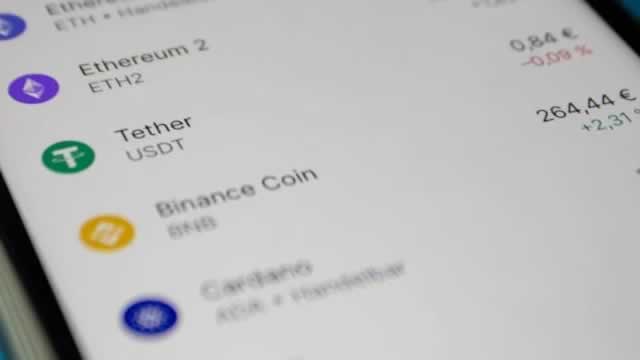
The fake apps used in these schemes have grown convincing. Many mimic the interfaces of well-known exchanges, complete with real-time price feeds pulled from legitimate markets, according to police. Some even allow small initial withdrawals to build trust before the victim commits larger sums.
The case creates a political problem for Hong Kong. The city has been actively positioning itself as a crypto-friendly jurisdiction, rolling out licensing frameworks for virtual asset trading platforms and encouraging institutional participation. Cases involving large losses from fake apps generate pressure that can slow or reverse that trajectory.
Apple and Google have both faced criticism for allowing fraudulent financial apps into their ecosystems. Enforcement actions in Hong Kong could set precedents that ripple across Asia-Pacific markets, where similar pig butchering operations are frequently run out of compound-style facilities across Southeast Asia.
The nearly $9 million lost in a single week across 25 cases underscores a gap the industry has been slow to address in consumer education. Most crypto exchanges invest heavily in security infrastructure but comparatively little in teaching users how to identify fraudulent platforms, regulators have noted.
The fake apps that power these scams exist entirely outside the regulated ecosystem, yet they borrow the visual language and branding conventions of legitimate platforms. Hong Kong police continue to investigate the specific platform used in the $3.3 million case.