Stocks● Neutral
Honda Board Backs CEO After Retiree Ouster Bid Fails
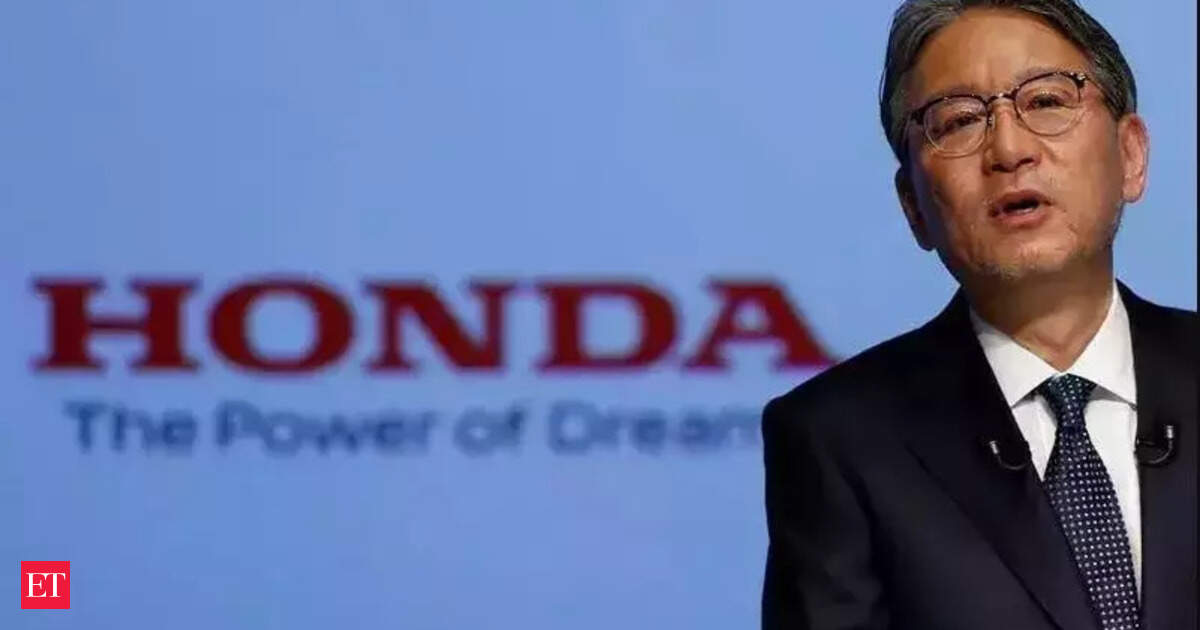
Retired Honda executives tried to oust CEO Mibe over China and EV failures. The board backed him, removing a governance overhang but leaving the strategic gap unresolved.
Continue with
A faction of retired Honda executives pushed to remove CEO Toshihiro Mibe, arguing that his leadership has failed in the Chinese market and produced a poorly conceived EV initiative that caused severe financial losses. The board rejected the ouster attempt, backing Mibe and leaving the company’s strategic direction unchanged for now.
The Old Guard's Case: Why China and EV Strategy Drew Fire
The retired executives – a group that built Honda’s reputation around internal-combustion engineering and hybrid systems – accuse Mibe of mismanaging two critical fronts. First, they claim he neglected China, a market where Honda lost share to local EV makers like BYD. Second, they label his electric vehicle plan as insufficient in speed and scale to compete globally. The critique reflects a deeper cultural divide: the old guard prioritises manufacturing excellence and capital discipline over the aggressive pivot required for full electrification. Their intervention signals that internal friction over resource allocation is more than a boardroom squabble – it touches product cycle timing, battery supply deals, and plant retooling decisions.
Board Decision: Governance Shield Without Execution Guarantee
The board’s quick endorsement of Mibe removes an immediate governance overhang. It implies that current directors still trust Mibe’s vision and timeline for turning around the Chinese business and accelerating EV output. However – this sentence requires restructuring: do not start with "However", and avoid "but" as conjunction. The dissent from former executives carries weight precisely because they shaped Honda’s culture. The board effectively chose continuity over upheaval during a period when heavy capital spending – on new platforms, battery factories, and software – leaves little room for a leadership vacuum. The cost of that choice is that it may slow the adoption of bolder restructuring measures that some investors view as necessary.