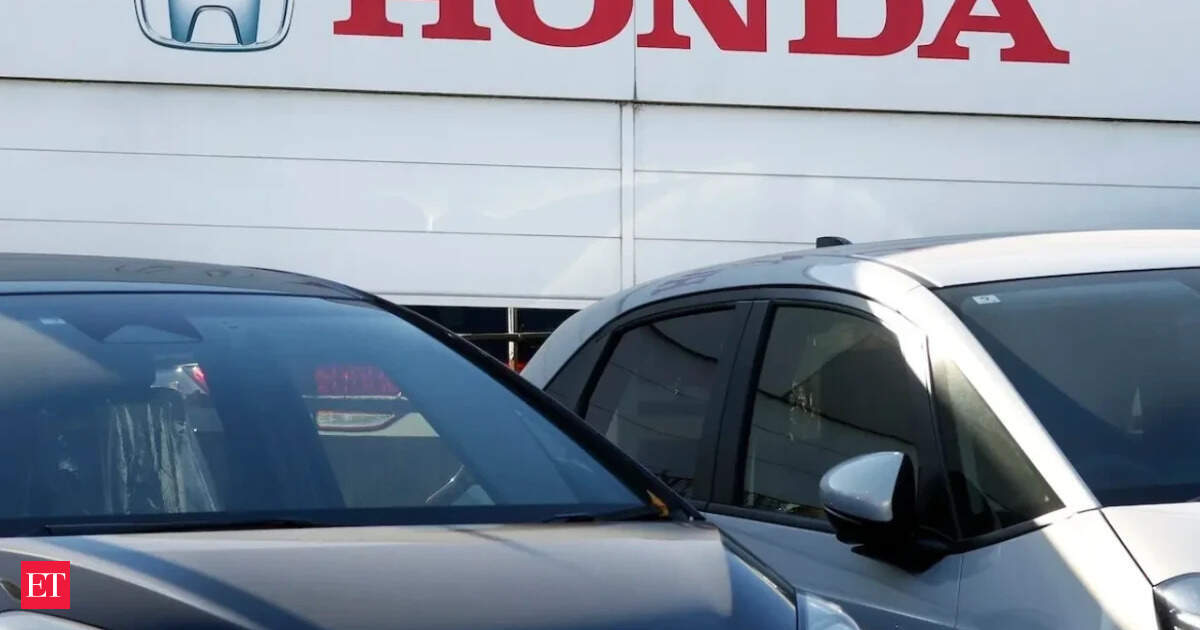
Honda Motor plans to launch more than 10 new models in India, a product blitz that includes petrol, hybrid, and electric sports utility vehicles. The company will also leverage its two-wheeler business to transition existing two-wheeler customers into passenger vehicles. The focus is on the sub-4 metre and midsize segments, areas where Honda has historically lagged behind competitors.
This announcement is the clearest signal yet that Honda is treating India as a growth driver. India is one of the world's fastest-growing auto markets, and the sub-4 metre category benefits from a lower goods and services tax rate. The campaign positions Honda to challenge Maruti Suzuki, Hyundai Motor, and Tata Motors, which dominate the compact SUV space.
Two-Wheeler Cross-Sell as a Structural Edge
Honda sells millions of Activa scooters and motorcycles in India each year. That installed base gives it a built-in audience that already trusts the brand. Converting two-wheeler owners into four-wheeler buyers at shared dealerships is a low-cost acquisition channel. Maruti Suzuki and Hyundai lack this scale of overlap between two-wheeler and four-wheeler customers.
The sub-4 metre and midsize focus is deliberate. Vehicles under 4 metres in length qualify for a lower GST rate, making them the volume battleground in India. Honda's previous SUV lineup was thin in that price tier. The new models fill that gap. If the cross-sell works, Honda gains market share without heavy incremental marketing spend.
EV and Hybrid Powertrain Hedge
Honda is not committing to a single powertrain. The new lineup will include both hybrids and electric vehicles. Hybrids in India currently carry a lower GST rate than pure EVs, a policy advantage that improves affordability for customers. By offering both, Honda addresses near-term emissions compliance while building EV capability for the longer term.
The over 10 model count suggests Honda is making a serious bid for volume, not just a placeholder lineup. The mix of petrol, hybrid, and EV reduces reliance on any one technology. In a market where charging infrastructure remains patchy, hybrids offer a practical bridge. Honda's dual approach insulates it from policy shifts on EV incentives.
Decision Point for Honda Investors
For investors tracking Honda Motor, this product pipeline is a medium-term catalyst, not an overnight trigger. The key questions center on execution and timing. Can Honda deliver over 10 new models on schedule without supply chain disruptions? Will the two-wheeler cross-sell actually move the needle on passenger vehicle sales?
Early indicators to watch include the first model launch date, pre-order volumes, and dealer feedback on customer conversion rates. The next concrete marker is the official launch timeline for the first wave of SUVs. Without hard dates or volume targets, the catalyst remains speculative. Investors should treat this as a watchlist item until the first model is in dealerships and pre-order numbers confirm demand.
The announcement changes the narrative around Honda's India operations. Previously seen as a laggard in the compact SUV boom, Honda now offers a visible growth roadmap. If execution holds, India could become a meaningful growth leg for a company that needs diversification beyond its mature Japan and North America markets. The first wave of SUVs hitting dealerships will be the real test.