Back to Markets
Macro● Neutral

Hochul Tax Proposal Targets NYC Luxury Real Estate to Fill Budget Gap

Hochul Tax Proposal Targets NYC Luxury Real Estate to Fill Budget Gap

Governor Kathy Hochul has proposed a new tax on multimillion-dollar second homes in New York City, targeting $500 million in revenue to patch state and city budget gaps.

Governor Kathy Hochul is pushing a new tax on multimillion-dollar second homes in New York City, a measure projected to raise $500 million in annual revenue. The proposal seeks to address city budget shortfalls by targeting high-end residential properties that serve as secondary residences, drawing sharp criticism from political opponents who argue the move undermines the city's economic competitiveness.

The Fiscal Strategy

The administration’s plan centers on leveraging the city's luxury real estate market to capture liquidity for municipal services. By focusing on properties that do not serve as primary residences, the state aims to generate $500 million without increasing the immediate tax burden on the average NYC resident. This approach mirrors efforts in other high-tax jurisdictions attempting to bridge funding gaps through targeted levies rather than broad-based income tax hikes.

Market Impact and Political Pushback

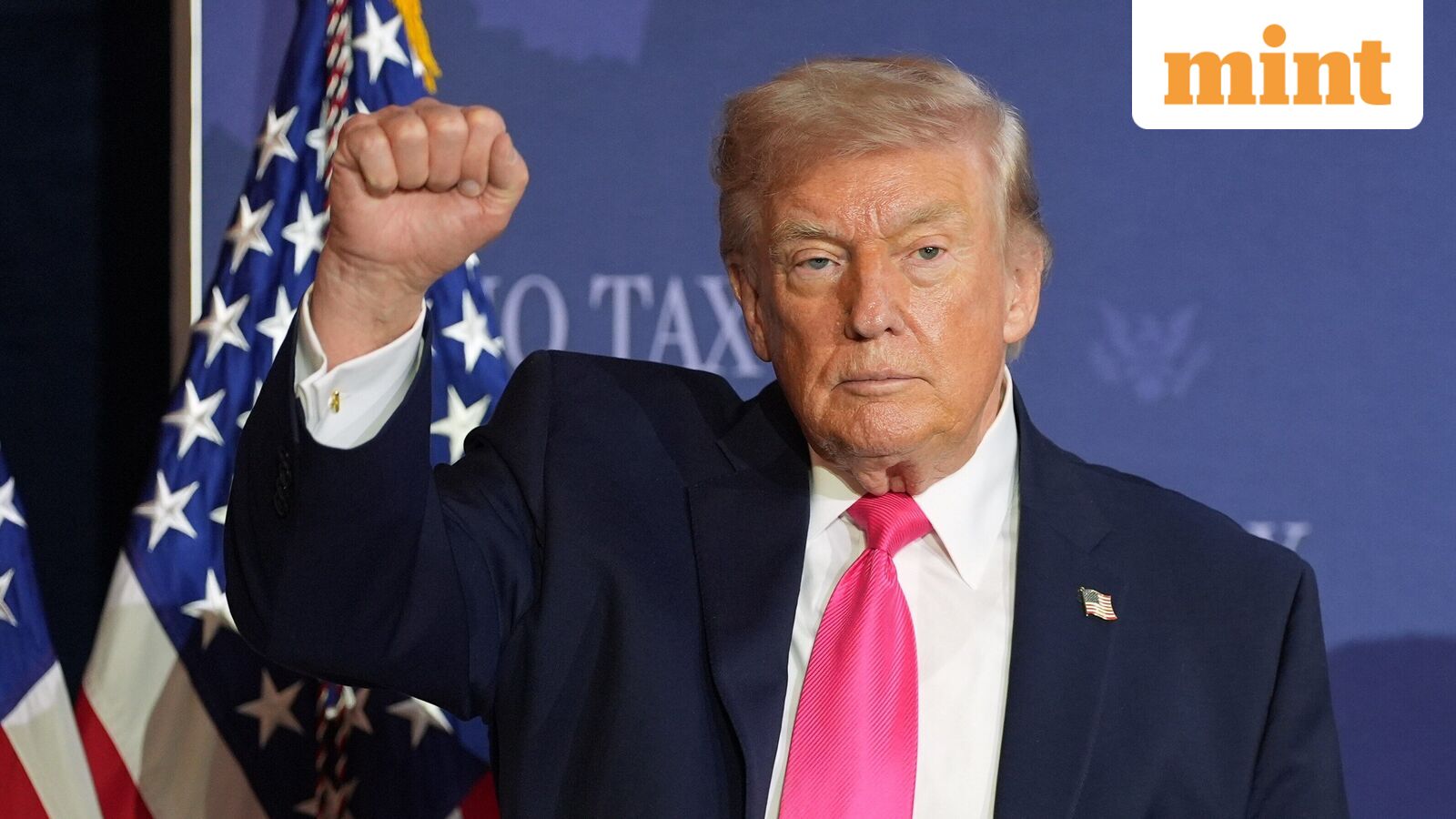
Critics, including former President Donald Trump, contend that such policies drive capital flight and erode the city's tax base. The concern for investors and developers is that a segment-specific tax could dampen demand in the ultra-luxury condo market, which is already sensitive to interest rate fluctuations and inventory levels.

MetricProjected Impact
Annual Revenue Goal$500 Million
Primary TargetNYC Second Homes
Economic RiskCapital Outflow

Implications for Real Estate and Markets

For traders and institutional investors, this proposal signals a potential shift in the regulatory environment for NYC property. If enacted, the tax could lead to a repricing of luxury assets as buyers factor in higher carry costs. Historically, abrupt changes in property tax structures have caused short-term volatility in REITs and entities with heavy exposure to Manhattan real estate. Investors should monitor how this interacts with broader stock market analysis regarding regional economic health and migration trends.

"Tax policies so wrong," noted Donald Trump, highlighting the growing divide over the city's fiscal management and its long-term attractiveness to high-net-worth individuals.

What to Watch

  • Legislative Hurdles: Monitor the New York State Assembly and Senate for bipartisan resistance or support as the budget deadline approaches.
  • Market Sentiment: Watch for shifts in luxury absorption rates and inventory data for Manhattan condos above the $5 million threshold.
  • Correlation Risks: Real estate tax policy shifts often act as a lead indicator for broader municipal bond volatility in the region.

Investors should treat this as a localized policy risk that could influence the valuation of luxury-focused real estate developers and regional financial institutions. If the tax gains momentum, expect increased scrutiny on the tax-efficiency of property portfolios within the NYC metro area.

How this story was producedLast reviewed Apr 17, 2026

AI-drafted from named primary sources (exchange feeds, SEC filings, named news wires) and reviewed against AlphaScala editorial standards. Every price, earnings figure, and quote traces to a specific source.

Editorial Policy·Report a correction·Risk Disclaimer