High-and-heavy equipment makers tap into data centers for growth
Ro/ro freight rates plateau as heavy equipment cycle cools. Data center demand may offset the slowdown for Caterpillar and Deere. Watch next earnings for order backlog confirmation.
Alpha Score of 38 reflects weak overall profile with weak value, moderate quality. Based on 2 of 4 signals – score is capped at 75 until remaining data ingests.
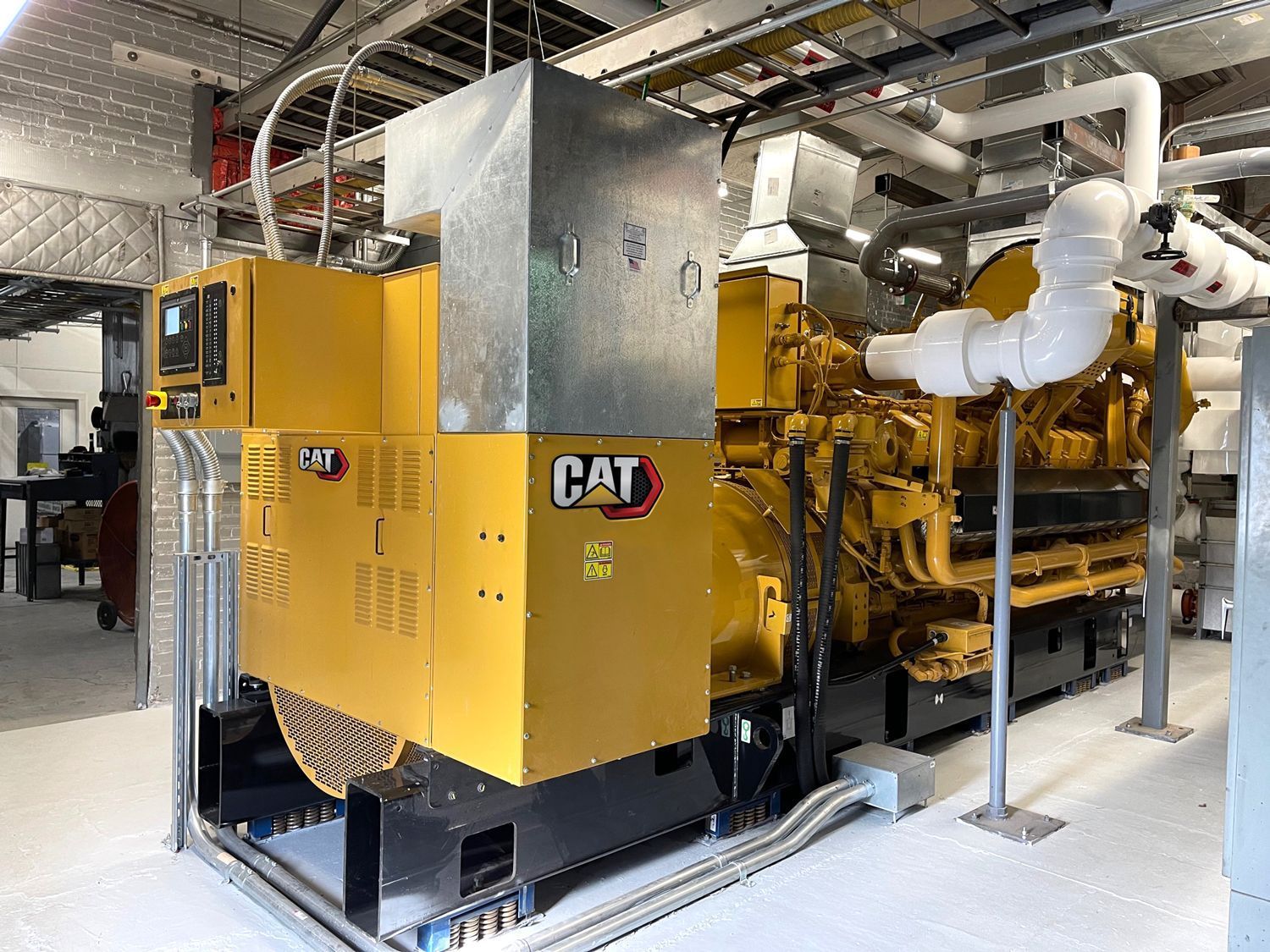
Caterpillar and Deere are positioning themselves to capture growth from data center construction, a sector that demands large generators, backup power systems, and cooling infrastructure. Both companies have dedicated divisions supplying these products. The pivot comes at a time when their core heavy equipment cycle, tracked through trans-Atlantic roll-on/roll-off (ro/ro) ocean freight rates, is showing signs of slowing.
The Ro/Ro Rate Plateau as a Demand Signal
Spot rates on the trans-Atlantic corridor hit their highest level of the year in the first half of May. The rally paused quickly afterward. Rates have now plateaued, and the underlying demand rally for heavy machinery shipments is slowing. The naive read treats a plateau as neutral: supply and demand are balanced, and the spike merely reflected a temporary scramble for capacity.
The better market read is more specific. Ro/ro rates are a lagging indicator of actual equipment orders. A rate peak followed by a plateau often precedes a decline. If rates begin to fall, that would indicate that inventory is catching up with end-market demand or that infrastructure and mining projects are being delayed. For Caterpillar and Deere, a rate decline would remove the freight premium that confirmed strong shipping activity in early 2025. Investors tracking CAT and DE now face execution risk: the tailwind from rising rates is gone, and the next move will determine direction.
Data Centers as a Growth Offset
Data center construction creates a separate demand stream for heavy equipment. Caterpillar supplies large diesel generators for backup power and cooling systems for server rooms. Deere provides on-site construction equipment for data center campuses. This sector is less sensitive to the broad industrial cycle because it is driven by cloud computing, artificial intelligence, and hyperscaler expansion. Major technology companies have announced capital expenditure increases throughout 2025, providing a visible pipeline of projects.
The question for investors is whether data center demand can meaningfully offset a potential slowdown in the core mining, construction, and agricultural equipment markets. The trans-Atlantic ro/ro rate plateau is a yellow flag for the traditional business. Data centers offer a counterweight. The two factors are not perfectly correlated. A slowdown in heavy machinery shipments can occur even while data center spending grows. The divergence will determine the net revenue trajectory.
The Next Decision Point for CAT and DE
The next earnings calls from both companies will provide the clearest test. Investors should focus on order backlogs, specifically for data-center-related products. If Caterpillar reports growing generator orders from hyperscale clients while overall ro/ro shipments weaken, the market will see the pivot as credible. If both segments slow, the rate plateau becomes a leading indicator of a broader demand dip.
Two concrete markers will help. First, the weekly trans-Atlantic ro/ro rate print: a second consecutive week of declines would be a stronger signal of weakening heavy equipment demand. Second, public announcements of new data center builds from major tech firms: each project converts into a potential equipment order for Caterpillar or Deere within 6–12 months. A sustained pickup in either data center capex the heavy equipment side would confirm that the growth story remains intact.
Active traders should check the next ro/ro rate release before adding or reducing exposure to CAT and DE. The plateau alone does not justify a thesis change. The combination of a plateau with slowing project announcements would. Data center demand provides a buffer, not a guarantee.
stock market analysis | AI and Industrial Strength Drive Dow Gains as Retail Lags
Drafted by a large language model from the source reporting linked above, then screened by automated publishing checks. It is not read by a journalist before publication. Some articles cite our Alpha Score. Verify prices and figures against the original source. Educational coverage, not personalized advice.