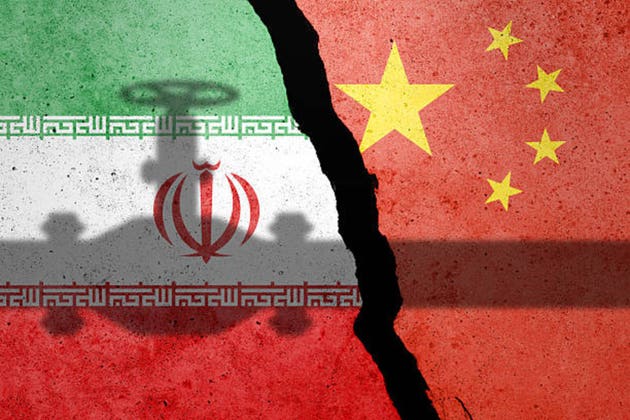
Hengli Petrochemical has formally denied maintaining any business dealings with Iran following the recent decision by the United States to impose sanctions on one of the company's subsidiaries. The move by U.S. authorities targets specific entities accused of facilitating the movement of Iranian crude oil, a sector that remains under intense international scrutiny due to ongoing geopolitical tensions and trade restrictions. For a major independent refiner like Hengli, the primary concern is the potential for secondary sanctions that could disrupt access to global financial systems or limit the ability to procure crude oil from other international suppliers.
Impact on Crude Procurement and Supply Chains
The imposition of sanctions on a subsidiary creates immediate operational friction for large-scale refiners that rely on complex, global supply chains. Hengli Petrochemical operates significant refining capacity, requiring a consistent and diverse stream of crude oil inputs to maintain output levels. When a subsidiary is flagged for alleged involvement in sanctioned trade, the company faces increased scrutiny from international shipping insurers and banking partners. These institutions often tighten compliance requirements to avoid exposure to prohibited jurisdictions, which can lead to delays in cargo processing or increased costs for letters of credit.
Refiners in this position must navigate a narrow path to ensure their primary operations remain insulated from the activities of smaller units. The denial of ties serves as a signal to the market that the parent company intends to maintain strict adherence to international trade compliance to protect its broader procurement network. Any disruption to the flow of crude oil into these facilities would force a shift in feedstock strategy, potentially impacting the margins of refined products if the company is forced to source from more expensive or less efficient alternatives.
Regulatory Compliance and Market Transparency
The current environment for crude oil trading is defined by heightened transparency requirements and the aggressive enforcement of sanctions. For market participants, the primary risk involves the potential for supply chain bottlenecks if the parent company faces broader investigations or if its shipping partners withdraw services to avoid regulatory penalties. Hengli's public denial is a defensive measure aimed at stabilizing its standing with international financial institutions that facilitate its daily operations.
- Subsidiary sanctions trigger immediate compliance reviews by global banks.
- Refiners face increased costs for trade finance when associated with sanctioned entities.
- Operational continuity depends on the ability to isolate the parent entity from restricted trade flows.
As the situation develops, the focus will shift to how the company manages its internal audit processes and whether it can provide sufficient documentation to satisfy international regulators. The next concrete marker will be the response from U.S. authorities regarding the scope of the sanctions and whether they will expand to include further entities within the Hengli group. For broader context on how energy firms are navigating these shifts, see our latest commodities analysis.
In the technology sector, companies like ON Semiconductor Corporation (Alpha Score 45/100) and Unity Software Inc. (Alpha Score 43/100) continue to navigate their own supply chain and regulatory pressures, reflecting the broader trend of increased oversight across global industries.