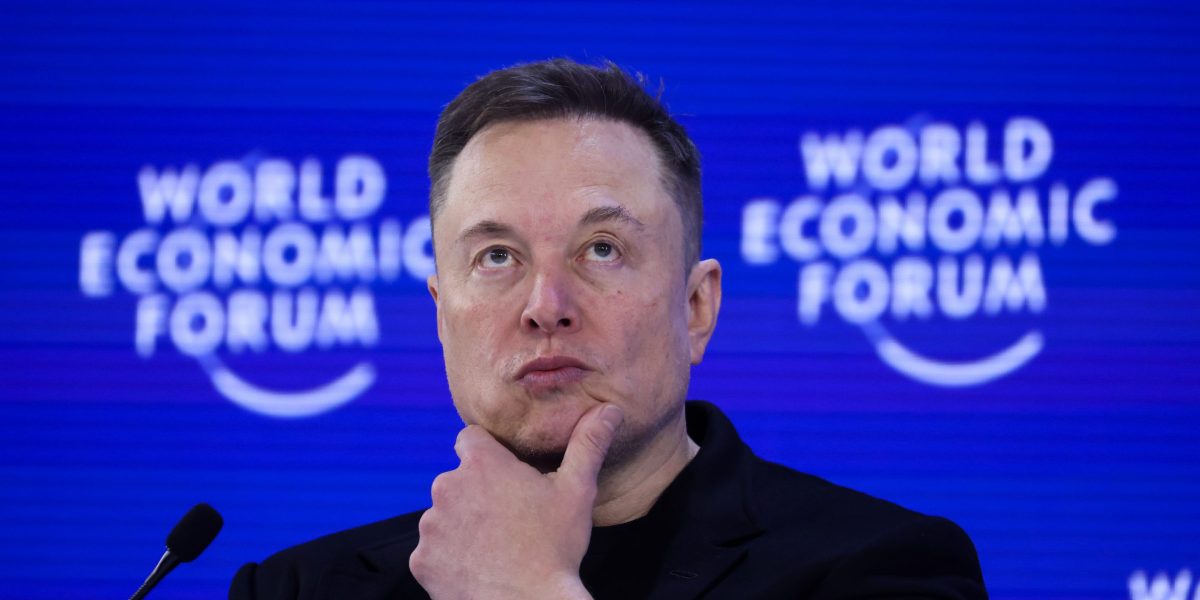
Elon Musk recently characterized the rapid advancement of artificial intelligence and robotics as a supersonic tsunami that will fundamentally alter the global economic landscape. By projecting a future defined by zero scarcity, Musk suggested that the traditional necessity of personal retirement savings may soon become obsolete. This perspective shifts the focus from individual capital accumulation to a systemic reliance on automated productivity.
The Economic Shift Toward Automated Abundance
Musk’s assertion rests on the premise that AI and robotics will decouple human labor from economic output. In this model, the cost of goods and services drops significantly as automated systems handle the bulk of production and logistics. If the scarcity of essential resources is eliminated, the requirement for individuals to hoard wealth over decades to sustain themselves in later years loses its primary justification.
This narrative challenges the foundational assumptions of modern financial planning. Most retirement frameworks, such as those discussed in broader stock market analysis, rely on the compounding of assets to offset the loss of income during aging. If the cost of living approaches zero due to technological efficiency, the utility of these portfolios changes. The transition suggests a move toward an economy where access to technology and its output replaces the need for traditional currency-based savings.
Structural Risks and the Transition Period
While the vision of abundance is compelling, the path to such a state involves significant structural friction. The shift requires massive investment in infrastructure and a total redesign of labor markets. Investors must consider whether this transition will be linear or marked by periods of extreme volatility as legacy industries struggle to adapt to automated competition.
Companies that fail to integrate these technologies risk obsolescence, while those that lead the charge may face regulatory scrutiny regarding their impact on the workforce. The tension between current economic models and this projected future creates a gap in long-term planning. For now, the reliance on traditional retirement vehicles remains the standard, as the infrastructure for an abundance-based economy is still in its infancy.
AlphaScala Market Context
AlphaScala data indicates that capital allocation remains heavily concentrated in firms building the underlying hardware and software for this transition. While the long-term thesis of abundance is often discussed in tech circles, current market behavior reflects a focus on immediate productivity gains rather than a post-scarcity reality. The disconnect between these two views defines the current investment climate.
The next concrete marker for this narrative will be the pace of capital expenditure in robotics and AI-integrated manufacturing. Investors should monitor the rate at which these technologies move from experimental phases to widespread commercial deployment. Any shift in the cost-to-produce metrics across major sectors will serve as the primary indicator of whether the economy is truly moving toward the zero-scarcity environment Musk describes.