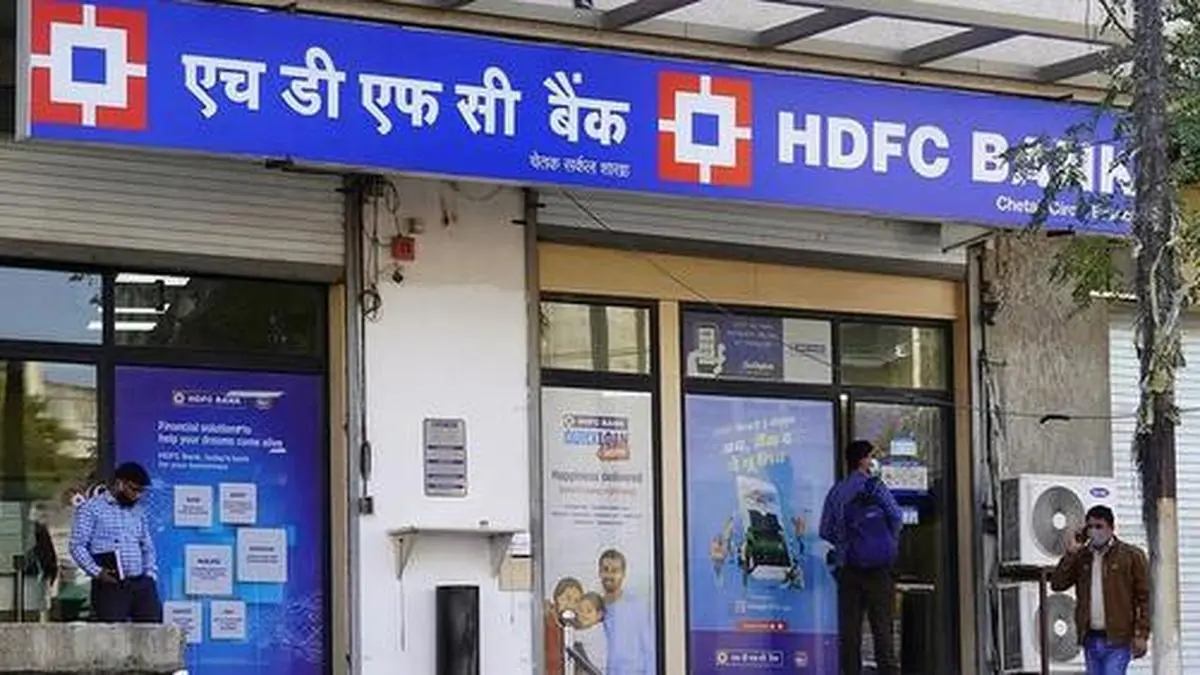
HDFC Bank Deposit Allegations and Share Reaction
HDFC Bank shares dropped 1.9% to ₹764.20 on Wednesday after a local media report alleged the lender made illegal payments to a state government department to attract large deposits. The Indian Express reported that HDFC Bank paid ₹45 crore ($4.7 million) to the Maharashtra road development corporation, disguising the payments as marketing spends to circumvent regulations that prohibit paying varied interest rates to depositors.
The specific allegations
The report, citing sources and documents, states that CEO Sashidhar Jagdishan was aware of the payments. Reuters could not independently verify the claims, and HDFC Bank did not immediately respond to an email seeking comment.
Chairman resignation context
The decline extends a 9.5% drop since March 19, when part-time chairman Atanu Chakraborty abruptly resigned. Chakraborty did not make specific allegations but said practices at the bank were not in line with his “personal” values and ethics. Legal firms appointed by HDFC Bank to review the claims have yet to find material lapses, though the outcome is still awaited.
The Mechanism: Deposit Competition and Accounting Risk
Regulatory constraint on deposit rates
Indian banking regulations prohibit lenders from offering preferential interest rates to individual depositors. The restriction is designed to prevent large depositors from extracting better terms and to ensure fair pricing across the bank’s deposit base. When competition for deposits intensifies – especially from state-run corporations with large cash balances – the temptation to use side payments grows.
Creative accounting and reputational risk
If the report is accurate, HDFC Bank classified the payments as marketing spend rather than deposit-related expense. This type of treatment obscures the true cost of funding and could raise questions about internal controls. The exposure is not just monetary: governance stains can compress valuation multiples for private sector lenders that trade on a premium over state-owned peers.
Practical rule: Deposit competition can spark creative accounting when margins compress. The risks are regulatory fines, reputational damage, and stock multiple compression.
Sector Read-Through: Governance Premium Under Pressure
Valuation implications for Indian private banks
HDFC Bank has long commanded a premium valuation based on its perceived governance standards. The Chakraborty resignation and the deposit payment allegation chip away at that narrative. If the regulatory probe or legal review finds process failures, investors may reprice not just HDFC Bank but the broader Indian private banking sector. The sector is already under pressure from higher funding costs and slowing loan growth.
Regulatory response risk
The Reserve Bank of India has not publicly commented. HDFC Bank has also yet to submit an application for the central bank to reappoint CEO Jagdishan, whose three-year term ends in October. The RBI has historically been strict on governance lapses, and the combination of unaddressed allegations and a pending CEO reappointment creates a period of uncertainty.
AlphaScala’s proprietary model rates HDFC Bank (ticker HDB) at an Alpha Score of 41/100 with a Mixed label. The score reflects the tension between the bank’s franchise strength and the emerging governance overhang.
Confirmation Markers: Legal Review and CEO Tenure
Legal review outcome
HDFC Bank appointed legal firms to examine the claims. If they conclude there were material lapses, the risk of regulatory action rises sharply. A clean report would not eliminate reputational damage but would reduce the chance of monetary penalties.
RBI and CEO reappointment
Investors should watch whether HDFC Bank submits a reappointment application for CEO Jagdishan before the October deadline. Any delay or rejection by the RBI would heighten uncertainty. Conversely, a swift clearance would signal that the central bank sees no immediate governance red flag.
Three factors will determine the stock’s next direction:
- The legal review’s conclusion and whether it confirms or refutes the allegations.
- The RBI’s stance on CEO tenure and any broader governance scrutiny.
- Deposit growth data for the current quarter – if deposit competition intensifies, other lenders may face similar pressures.
HDFC Bank’s Alpha Score of 41/100 and Mixed label suggest the stock is not a clear buy or sell right now. The setup depends on which confirmation marker arrives first. A clean legal outcome plus RBI clarity could restore the governance premium. A drawn-out probe with no resolution would keep the stock in a range, vulnerable to earnings downgrades if deposit costs rise.
For further context on HDFC Bank’s governance history, see the earlier analysis of the internal probe. For broader sector implications, refer to stock market analysis. The HDB stock page provides live price and score updates.