In 1911-12, Harvard's Economics 22 still required moderate German and French reading skills. The final exam dropped translation exercises. No 1904-05 paper is known.
The final exam for Harvard's Economics 22, French and German Economists of the Nineteenth Century, changed shape in 1911-12. Earlier papers in the course included one or two questions that asked students to translate a passage from German. The 1912 exam did not.
The course, taught by Professor Edwin F. Gay, met for two evening hours each week. Gay's reading list covered selections from the more important German and French economists of the 1800s. Class discussion traced the influence of the English classical school and the criticism from socialists and historical economists, with attention to the question of method in economic investigation. The official register for 1911-12 stated that "a moderate reading knowledge of German and French will of course be necessary."
Examination records show the language requirement was a real part of earlier exams. The papers for 1902-03 and 1906-07, linked from the course page, each contained German translation exercises. The 1908-09 paper did as well. The change is visible in the bound volume of examination papers from 1912, held in the Harvard University Archives. The volume covers papers set in history, history of science, government, and economics; the Economics 22 paper sits on page 64 without a translation prompt.
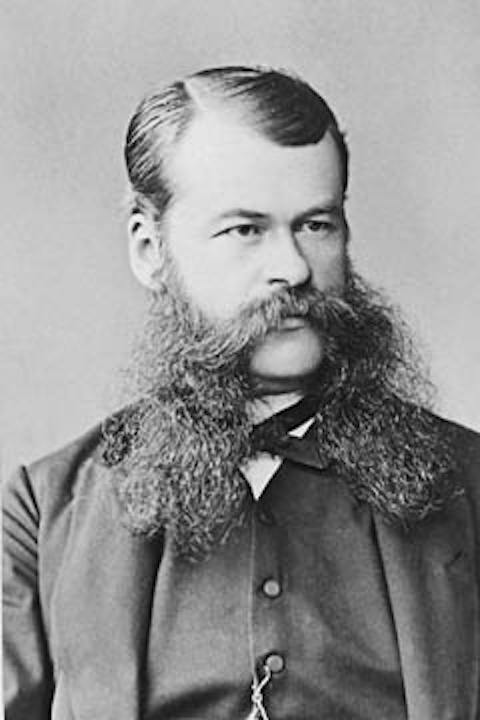
The same page that records this shift includes a photograph of Gustav Schmoller in his youth, his chin clean-shaven. The image comes from the archive of the Martin-Luther-Universität Halle-Wittenberg. Schmoller was a central figure of the German historical school, the same tradition the course engaged with.
Links to the earlier papers are collected on the course page. No examination paper has been found for 1904-05, which leaves a gap in the record of how the course assessed language skills in that period.
Drafted by a large language model from the source reporting linked above, then screened by automated publishing checks. It is not read by a journalist before publication. Some articles cite our Alpha Score. Verify prices and figures against the original source. Educational coverage, not personalized advice.