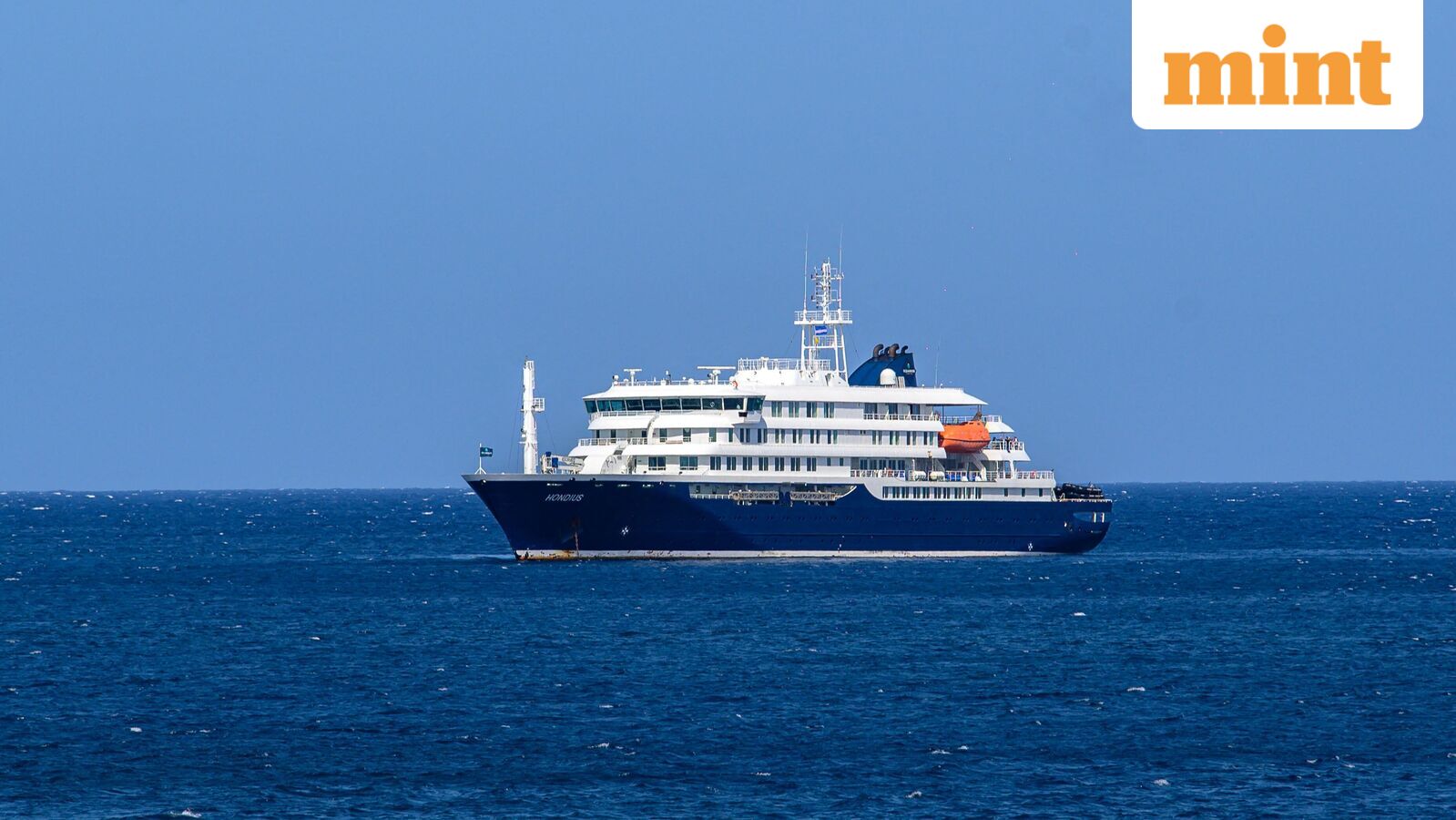
The MV Hondius cruise ship reports 3 deaths from a suspected hantavirus outbreak. The WHO is conducting sequencing as medical evacuations continue in Cape Verde.
The suspected hantavirus outbreak aboard the Dutch-flagged cruise ship MV Hondius has resulted in three confirmed fatalities, prompting an urgent epidemiological response from the World Health Organization. The vessel, which was navigating a route from Argentina toward Cape Verde, reported its first casualty as an elderly male passenger who died while still on board. A second fatality occurred shortly after his spouse was transported to a medical facility for emergency care. A third death has been confirmed as the total count of infected individuals continues to rise, with at least three additional passengers currently battling the infection.
The World Health Organization has confirmed that at least one case has been verified through laboratory testing, with comprehensive virus sequencing currently underway to determine the specific strain and transmission dynamics. One passenger remains in intensive care at a hospital in South Africa, while two other symptomatic individuals are undergoing emergency evacuation from the vessel to receive specialized medical support. The WHO is coordinating with local health authorities to provide medical treatment to the remaining passengers and crew members still on the ship. Marine tracking data confirms the MV Hondius was docked in Praia, the capital of Cape Verde, as of Sunday night, serving as the primary hub for the current containment and medical evacuation operations.
Hantavirus is primarily categorized as a zoonotic disease, typically transmitted to humans through direct contact with the urine, feces, or saliva of infected rodents. While human-to-human transmission is considered rare, the potential for such spread in the confined environment of a cruise ship necessitates strict isolation protocols. The virus is known to cause severe respiratory distress, which explains the high acuity of the patients currently requiring intensive care. Because there is no specific cure or standardized antiviral treatment for hantavirus, medical teams are focusing on supportive care and early intervention to stabilize respiratory function. The lack of a targeted pharmaceutical intervention increases the mortality risk for those already showing symptomatic progression.
This incident has drawn significant attention to the rarity and severity of hantavirus infections in maritime settings. The outbreak follows recent high-profile cases in the United States, including the death of Betsy Arakawa in New Mexico last year. While the virus is often associated with rural or wilderness environments where rodent populations thrive, its appearance on a cruise vessel highlights the vulnerabilities of closed-loop travel systems to infectious disease outbreaks. The ongoing investigation by the WHO aims to identify the source of the initial exposure on the MV Hondius, specifically looking for evidence of rodent infestation within the ship's storage or living quarters.
For those following the broader implications of global health security and travel-related risks, this event serves as a reminder of the volatility inherent in cruise line operations when faced with unexpected biological threats. Investors and industry analysts often look at stock market analysis to gauge how such health crises impact cruise line valuations and operational insurance costs. The immediate risk remains the potential for further transmission among the remaining passengers currently under observation. Confirmation of additional cases or a failure to contain the virus within the current cohort would likely lead to extended quarantine measures and significant disruptions to the vessel's future itinerary. The situation remains fluid as health officials await the results of further laboratory testing and epidemiological mapping to determine if the outbreak is contained or if the risk of secondary transmission persists among the crew and passengers.
AI-drafted from named sources and checked against AlphaScala publishing rules before release. Direct quotes must match source text, low-information tables are removed, and thinner or higher-risk stories can be held for manual review.