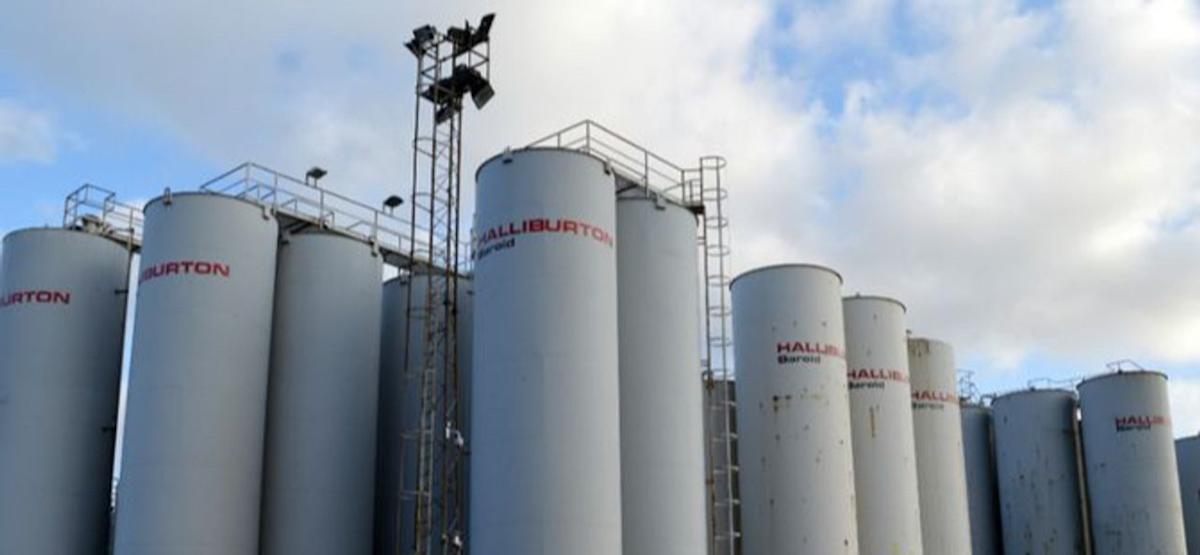
Halliburton Company reported first-quarter revenue of $5.4 billion, exceeding expectations as the company benefited from a dual tailwind of recovering North American activity and sustained international demand. The results provide a concrete data point for the energy services sector, suggesting that the anticipated stagnation in domestic drilling may be giving way to a more constructive environment for oilfield service providers.
Operational Momentum in North American Markets
The primary narrative shift stems from the company's ability to capture growth in North America, a region that has faced significant scrutiny due to fluctuating rig counts and capital discipline among exploration and production firms. By posting results that beat consensus estimates, Halliburton demonstrates that its service intensity remains high even as operators balance efficiency with output targets. This performance suggests that the broader stock market analysis for energy services may need to recalibrate expectations for domestic activity levels throughout the remainder of the fiscal year.
International operations further bolstered the quarterly performance, providing a hedge against the volatility historically associated with the North American shale patch. The company's ability to maintain margins across these diverse geographic segments indicates that the current pricing environment for specialized oilfield services remains resilient. This geographic balance is a critical component of the firm's current valuation, as it mitigates the risk of a localized downturn in any single basin.
Sector Read-Through and Valuation Dynamics
For investors monitoring the energy sector, these results serve as a benchmark for how service providers are navigating the current cost-of-capital environment. As firms like Halliburton continue to optimize their service delivery, the focus shifts toward whether this recovery in North American activity is sustainable or merely a seasonal anomaly. The company's ability to convert revenue into profit at these levels suggests that operational efficiencies are beginning to yield tangible results, potentially altering the long-term outlook for the sector's margin expansion.
AlphaScala currently assigns a Mixed label to Halliburton with an Alpha Score of 51/100, reflecting the ongoing tension between cyclical demand and the structural shifts within the energy services industry. Detailed performance metrics for the company can be found on the HAL stock page. Investors should look to the next set of capital expenditure updates from major exploration and production clients to determine if this uptick in service demand is a precursor to a broader industry expansion or a temporary spike in maintenance-related activity.
The next concrete marker for the sector will be the subsequent round of guidance updates from upstream operators. If these firms confirm a sustained increase in drilling budgets, the narrative surrounding Halliburton's North American recovery will likely gain further institutional support. Conversely, any indication of renewed capital restraint would suggest that the current strength is limited to specific high-efficiency projects rather than a systemic industry recovery.