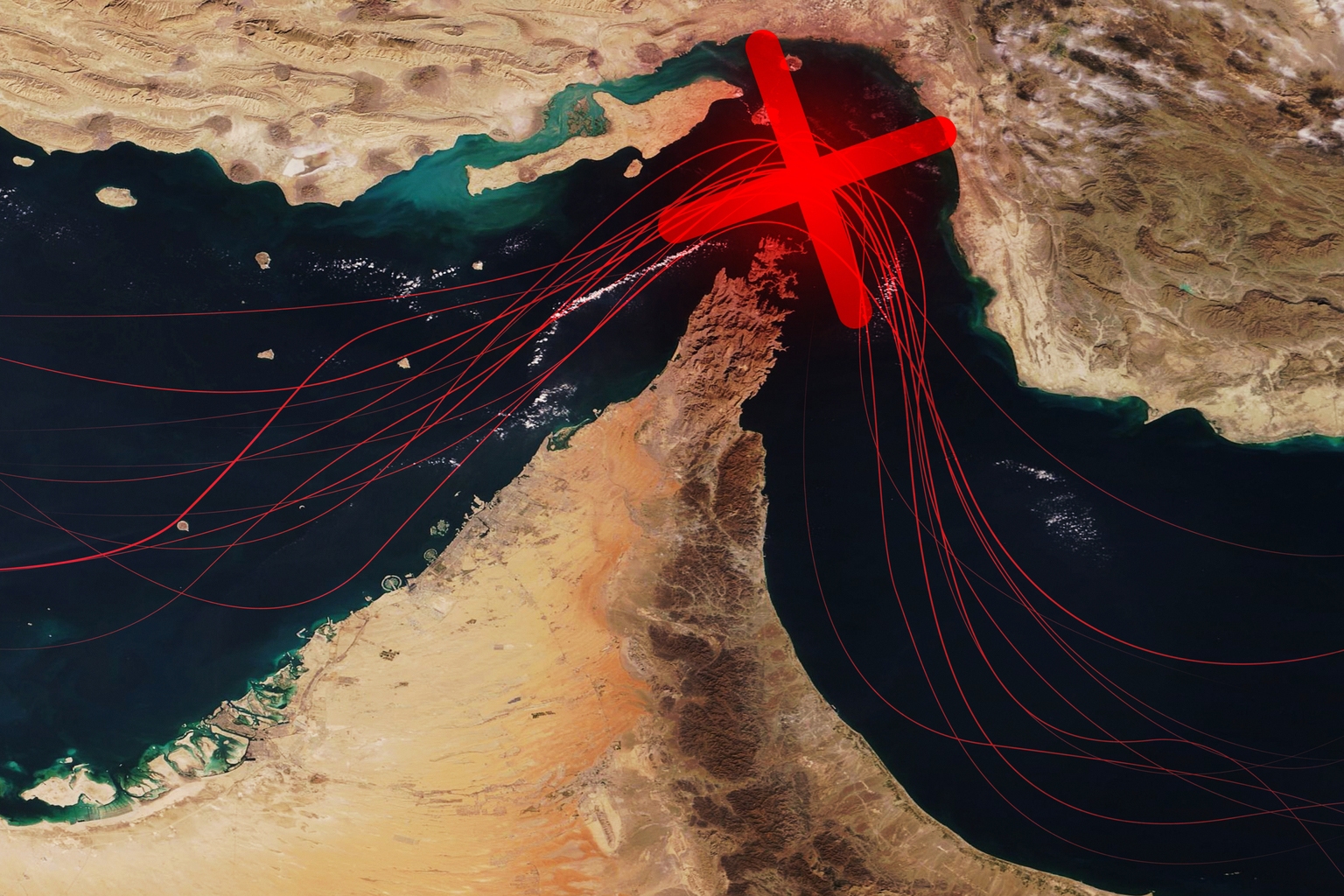
The structural stability of energy markets in the Persian Gulf faces a period of heightened uncertainty following the United Arab Emirates' decision to exit OPEC. This move, coupled with the potential deployment of U.S. swap lines to stabilize regional liquidity, signals a fundamental shift in how crude supply dynamics are managed in the region. As geopolitical friction intensifies, the traditional mechanisms for price discovery and supply coordination are being tested by a new era of regional independence.
Structural Shifts in Crude Export Resilience
The departure of a major producer from the OPEC framework complicates the existing consensus on production quotas and market share. When supply-side coordination breaks down, the risk of localized volatility increases, particularly as regional actors prioritize national interests over collective output targets. This shift is compounded by the persistent reality of Iranian crude export resilience, which continues to challenge the effectiveness of international sanctions and regional containment strategies. For a deeper look at these regional shifts, see our analysis on Saudi non-oil expansion and its impact on commodity dependencies.
Transport Risk and Regional Liquidity
The potential for escalation in the Persian Gulf introduces immediate risks to maritime logistics and the flow of energy products through critical chokepoints. Any disruption to these corridors forces a re-evaluation of insurance premiums and transport costs, which are quickly passed through to global energy benchmarks. The introduction of U.S. swap lines suggests a proactive effort to mitigate the immediate financial fallout of these tensions, yet such measures do not address the underlying physical risks to infrastructure. The interplay between these geopolitical pressures and energy security remains a primary driver for crude oil profile valuations.
Industrial Exposure and Market Sentiment
Broader industrial sectors often feel the secondary effects of energy price instability as operational costs fluctuate in response to supply chain uncertainty. Companies operating within the infrastructure and engineering space, such as Jacobs Solutions Inc., must navigate these volatile cost environments while managing project timelines that are sensitive to global resource pricing.
AlphaScala data currently assigns Jacobs Solutions Inc. (J) an Alpha Score of 40/100, reflecting a mixed outlook within the Industrials sector. Investors can track further developments regarding this security on the J stock page.
As the situation evolves, the next concrete marker for the market will be the upcoming regional policy meetings and any formal adjustments to export volume reporting. These disclosures will provide the first clear indication of whether the UAE's exit leads to a sustained increase in production or if regional producers will maintain a cautious stance to prevent a total collapse in price floors. Monitoring the consistency of export data from major Gulf terminals will be essential for identifying the next phase of this supply chain realignment.