Gujarat Shipbuilding Policy Offers 50-Year Leases, ₹27,000 Crore Target
Gujarat's shipbuilding policy offers 50-year leases and capital assistance up to ₹225 crore, targeting ₹27,000 crore in investment to build a mega cluster at Kuchhadi.
Alpha Score of 67 reflects moderate overall profile with strong momentum, strong value, weak quality, moderate sentiment.
Gujarat on Monday unveiled a shipbuilding and repair policy that sets a ₹27,000 crore investment target through a mega greenfield cluster at Kuchhadi in Porbandar. The policy offers waterfront concessions of up to 50 years for large shipyards capable of building vessels above 30,000 deadweight tonnes.
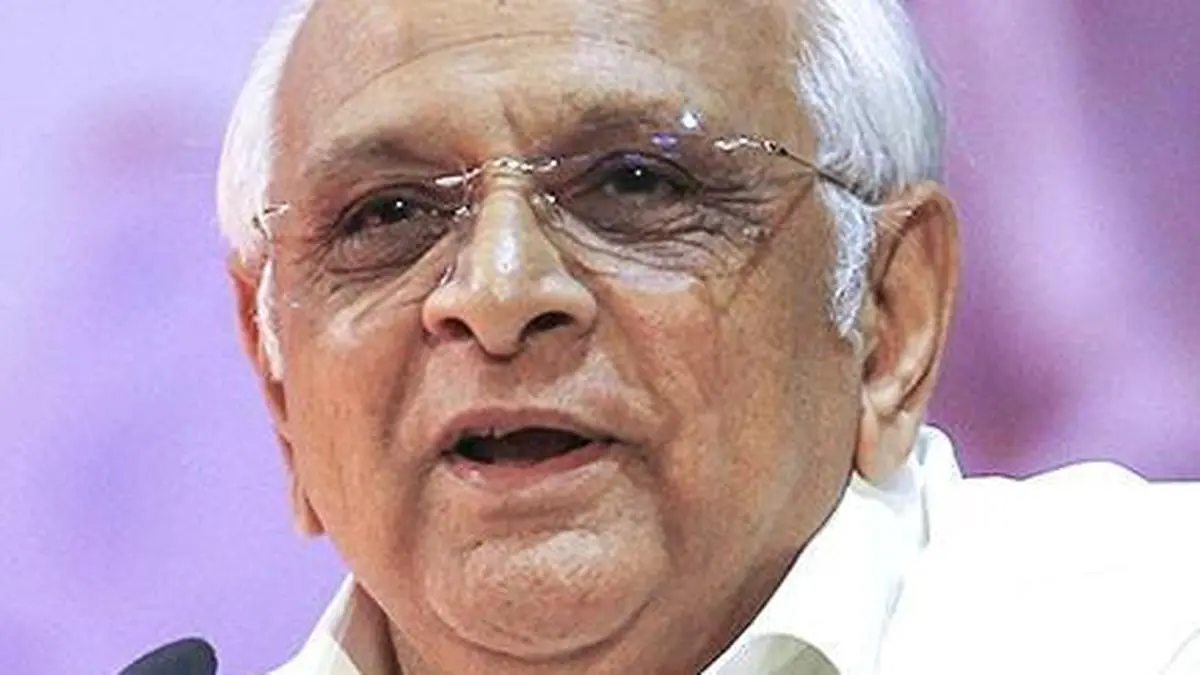
Chief Minister Bhupendra Patel said the central government has approved the cluster. The project expects about ₹23,700 crore in private investment for shipyards and ancillary industries. Another ₹3,300 crore will go into common marine and land infrastructure, supported by the Centre and the state.
The policy follows the Gujarat Maritime Board's June invitation for expressions of interest for three other greenfield shipyards at Mithapur, Ghogha and Vadhera.
Large shipyards get 50-year waterfront leases. Smaller yards, with capacity below 30,000 DWT, get an initial 15-year period, extendable to 30 years based on performance. That tiered structure encourages smaller players to scale up.
Development models include sites identified by the Gujarat Maritime Board, shipyards within private ports, yards within Integrated Mega Shipbuilding Parks, standalone proposals from PPP players, and proposals by public sector undertakings. Private port developers can establish shipyards within their authorised waterfront areas. The licence period runs concurrent to the port's BOOT period.
For IMSPs, the board will ensure no single developer gets more than 50% of the total land area. That rule aims to create a diversified ecosystem.
The policy offers capital assistance of 10% of eligible fixed capital investment, capped at ₹100 crore for new shipyards. For yards within IMSPs, the assistance rises to 20% or ₹150 crore. Early-bird investors get enhanced rates: 15% for standalone yards, up to ₹150 crore, and 30% for IMSP yards, up to ₹225 crore. Marine equipment manufacturing clusters near IMSPs get 20% assistance, up to ₹25 crore, or 30% for early birds, up to ₹37.5 crore.
Other incentives include 100% stamp duty reimbursement, interest subvention, dredging assistance, subsidies for electricity and water, and support for MSME procurement. The policy also provides a single-window clearance system and a grievance redressal mechanism.
The common infrastructure planned for the Kuchhadi cluster includes breakwaters, floating cranes, dredging facilities, harbour basin development, navigation channels, and utilities. The government said this integrated approach will reduce infrastructure costs for investors and speed up project execution.
The policy will remain in force for five years and supersedes the 2010 shipbuilding policy.
India's share of global shipbuilding is less than 1%, the government has said. Gujarat's policy targets a slice of the $150 billion market dominated by China, South Korea and Japan. The 50-year concession period matches the longest offered by any Indian state, giving investors certainty needed for capital-intensive shipyard projects. The Kuchhadi cluster, near Porbandar, sits on the Gulf of Kutch, a deep-water coast with existing port infrastructure.
The policy's emphasis on private port development allows operators like Adani Ports and Gujarat Pipavav Port to add shipbuilding capacity within their concession areas. That could accelerate project timelines, since these ports already have environmental clearances and basic infrastructure.
For smaller shipyards, the 15-year initial concession with a 10-year extension provides a pathway to grow. The capital assistance for existing yards upgrading to handle larger vessels also helps. India's ship repair industry, concentrated in Mumbai and Kochi, could benefit from the dredging assistance and floating crane facilities planned for the cluster.
Detailed project reports for the Kuchhadi cluster are being prepared by the Gujarat Maritime Board. The cluster will house two to three world-class shipyards along with ancillary industries. The government expects the first phase to be operational within four years, according to officials familiar with the planning.
Drafted by a large language model from the source reporting linked above, then screened by automated publishing checks. It is not read by a journalist before publication. Some articles cite our Alpha Score. Verify prices and figures against the original source. Educational coverage, not personalized advice.