Government and CJP to Meet Again Saturday Over Pradhan Resignation
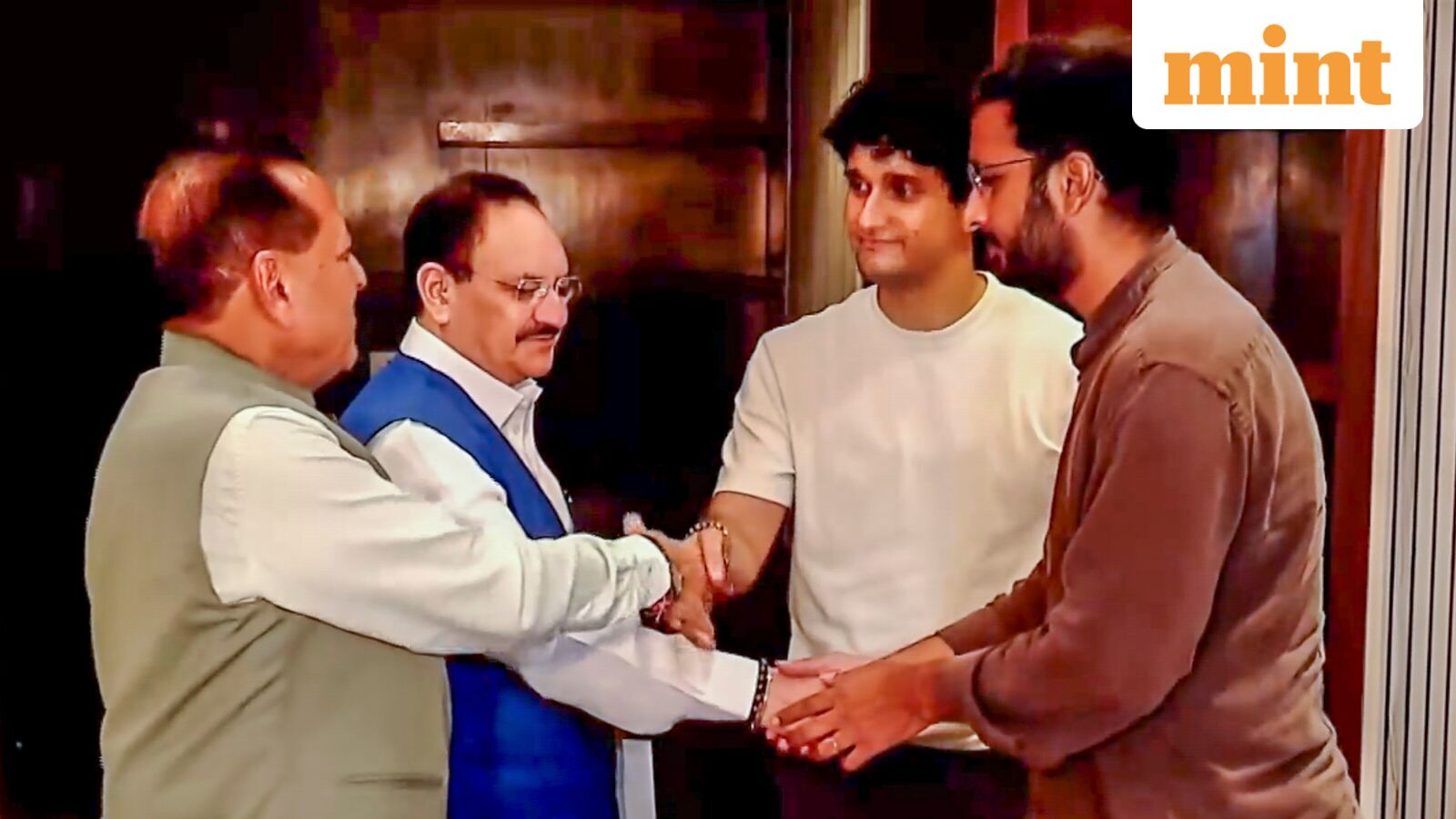
The government and CJP will hold a third round of talks Saturday. The resignation demand remains unresolved after Friday's two-hour meeting, with the government seeking more time.
The government and the Cockroach Janta Party will hold a third round of talks Saturday afternoon after Friday's meeting failed to resolve the central demand of Education Minister Dharmendra Pradhan's resignation.
Union Minister JP Nadda, who led the government delegation alongside Jitendra Singh, told reporters Friday evening that the meeting lasted nearly two hours. The CJP put forward three demands and five reform suggestions for the examination system. The government asked for a day to deliberate internally.
“We have told them that we will meet them again tomorrow afternoon and tell them about the discussion we had among the Government,” Nadda said.
The CJP, represented by chief spokesperson Saurav Das and national spokesperson Ashutosh Ranka, has maintained that Pradhan's removal is non-negotiable. The resignation demand stems from what protesters describe as systemic failures in managing the NEET exam process, including a paper leak that triggered student suicides and widespread distress.
Ranka said after Friday's talks that the government expressed in-principle approval on two other demands: compensation for families of students who died by suicide and withdrawal of legal cases against peaceful protesters. The core issue remained unresolved.
“The government has asked for time till tomorrow afternoon on our demand for Dharmendra Pradhan's resignation. We hope the government will remove him soon,” Ranka told reporters.
Why the Resignation Demand Matters
The crisis hits the education sector directly. EdTech companies and test-preparation firms with heavy exposure to competitive exam coaching and government exam prep face operational risk if the NEET process is disrupted or if a broader reform bill introduces new compliance costs. The government's promise of fast-track courts and a new anti-paper-leak law, expected to be taken up by the Union Cabinet, could reshape the regulatory environment for the entire testing industry.
Listed companies with significant NEET-related business include Physics Wallah, Unacademy, and Byju's, though all three are privately held. Any prolonged disruption to the exam calendar or reputational damage to the NEET brand could reduce enrollment and revenue for these firms.
What a Breakdown Would Mean
If Saturday's talks collapse, the Jantar Mantar protest could escalate. The CJP has already drawn thousands of students from across India. Arrests or police action would inflame the situation. A prolonged impasse would pressure the government during the Monsoon Session, potentially delaying other legislative business. For EdTech firms, each week of uncertainty pushes potential students toward deferring enrollment, especially for the 2024-25 exam cycle.
A government concession on Pradhan's resignation, or a credible face-saving alternative, would remove the main protest driver. Even a commitment to reassign the minister or announce a CBI inquiry into the leak could calm the situation. The CJP has signaled willingness to settle if the government acts on its three demands.
Market Reaction
Stocks of education and test-prep companies have been under pressure since the NEET leak first surfaced in late June. The Nifty Education index has fallen roughly 8% over the past month, though the sector has been volatile. Any breakthrough in the talks that removes the resignation demand could trigger a relief rally. A breakdown would likely extend the sell-off.
Analysts at a Mumbai-based brokerage, who declined to be named, said the situation is “binary for the sector” and recommended caution until the government clarifies its stance on the resignation demand.
Broader Implications
The NEET row has become a political flashpoint, with opposition parties accusing the government of shielding Pradhan. The resignation demand itself is unusual – education ministers rarely face such direct calls to step down over exam irregularities. If the government yields, it could set a precedent for ministerial accountability on administrative failures. If it holds firm, it risks prolonged protests that could affect the entire competitive exam ecosystem.
Prime Minister Narendra Modi posted a video on X late Thursday calling the paper leak “extremely painful” and vowing “fast-track courts and stringent punishments.” He said the culprits had been caught and that a new draft law would be introduced in the Monsoon Session of Parliament. Modi also said the Cabinet would take up the Bill on Friday. Union Minister Ashwini Vaishnaw did not announce any such move during the regular Cabinet briefing Friday afternoon, creating uncertainty about the timeline.
The social activist Sonam Wangchuk ended his 26-day hunger strike after receiving a written assurance from the government on NEET reforms. The CJP agreed to dialogue after the government accepted two conditional demands: no legal action against peaceful protesters and compensation for affected families.
Saturday's meeting is scheduled for 4 p.m. in New Delhi. The tone of the government delegation will determine whether the crisis defuses or escalates.
Drafted by a large language model from the source reporting linked above, then screened by automated publishing checks. It is not read by a journalist before publication. Some articles cite our Alpha Score. Verify prices and figures against the original source. Educational coverage, not personalized advice.