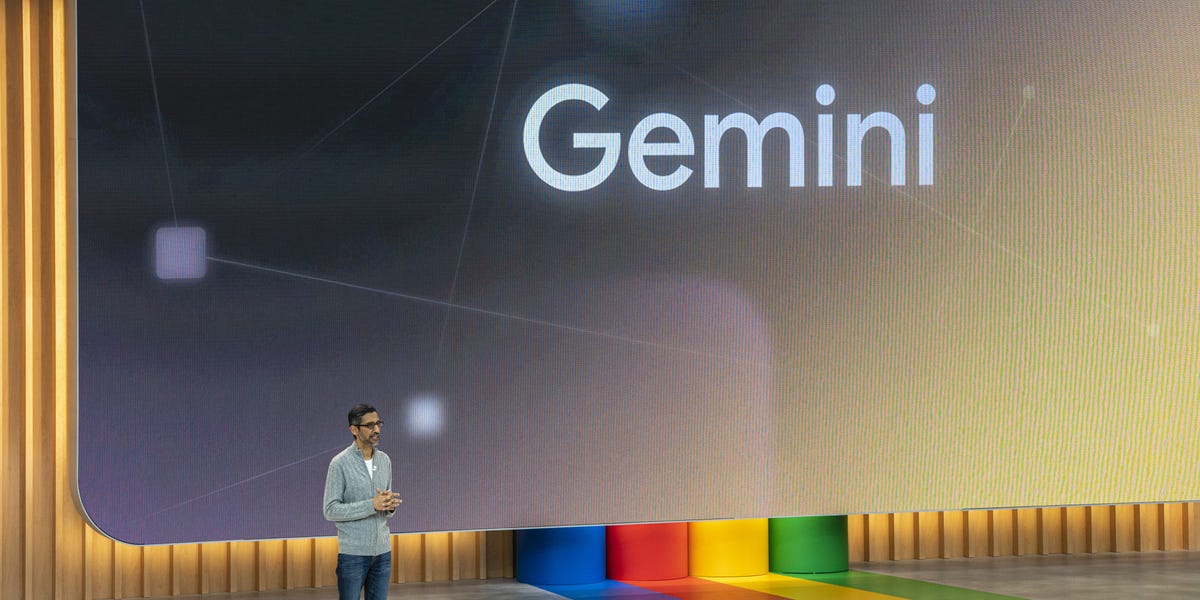
Google is currently testing a new AI personal agent integrated into its Gemini ecosystem, marking a shift toward autonomous task execution rather than simple information retrieval. This development represents a direct attempt to capture the utility-driven market segment currently dominated by emerging competitors. By moving beyond text generation and into active browser-based tasks, Google is attempting to solve the friction point of cross-application workflows.
The Shift Toward Autonomous Agentic Workflows
The core value proposition of this agent is its ability to take actions on behalf of the user. This contrasts with existing large language models that primarily function as passive assistants. If the software can successfully navigate web interfaces to book travel, manage shopping carts, or organize digital documents without constant human prompting, it moves the product from a research tool to a utility layer. The technical hurdle here is not just accuracy in language, but the reliability of the agent in interacting with third-party web elements that were not designed for machine-to-machine communication.
For users and investors, the pivot suggests that Google is prioritizing integration depth over raw model size. If this agent reaches mass adoption, it creates a defensive moat around the Chrome browser and the broader Google Workspace suite. The ability to execute tasks directly within the browser could cement Google as the primary interface for digital commerce and productivity, effectively locking out competitors who lack a native browser or OS-level integration.
Competitive Positioning and Execution Risk
The race to build an agentic AI is currently the most crowded space in the technology sector. While Google has the advantage of massive data distribution through its existing search and browser dominance, the execution risk remains high. Any failure in security or privacy during the agent's autonomous operations could lead to significant regulatory scrutiny. Furthermore, the company must balance the agent's utility with the need to maintain its primary search advertising revenue model. If an AI agent completes a task without the user ever visiting a traditional search results page, the underlying economics of Google's core business model may face internal cannibalization.
Market observers should look for the speed of the public rollout and the specific categories of web tasks the agent is permitted to handle during the initial testing phases. If the agent is limited to internal Google applications, the impact on market share will be muted. However, if the agent gains the ability to interact with external e-commerce and enterprise platforms, it will fundamentally alter the competitive landscape for stock market analysis and software services. The next decision point for the company will be the integration of this agent into the consumer-facing Gemini interface, which will serve as the first real-world stress test for its reliability and security protocols.