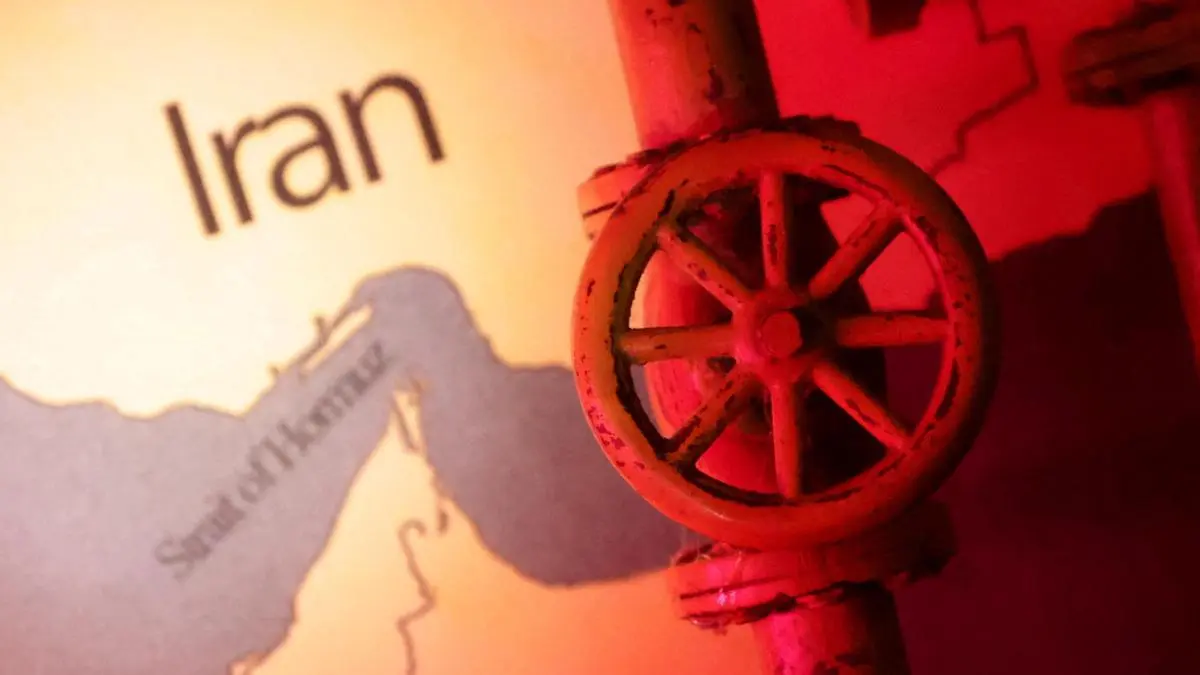
Oil shipments through the Strait of Hormuz may only recover to around 70% of their pre-conflict volume even after the U.S.-Iran interim deal reopens the waterway, Goldman Sachs analysts said. The projection suggests a permanent shift in how Persian Gulf crude reaches global buyers.
Analysts led by Yulia Zhestkova Grigsby wrote in a June 17 note that a full normalisation to the prior 20-million-barrel-a-day run rate is unlikely. They see the recovery hitting roughly 13 million barrels per day above current visible flows -- not the 20 million that transited daily before hostilities, according to International Energy Agency data. That implies some 6 million barrels of daily capacity stays rerouted or offline permanently.
Regional producers built alternative export routes during the dual blockade. Saudi Aramco pushed more crude through its cross-country pipeline to the Red Sea. The UAE used the Abu Dhabi Crude Oil Pipeline to the port of Fujairah, which sits outside the strait. Iraq sent oil north to Turkey's Ceyhan terminal. Those routes now carry about 7.5 million barrels a day combined through Yanbu, Fujairah, and Ceyhan, the Goldman note said.