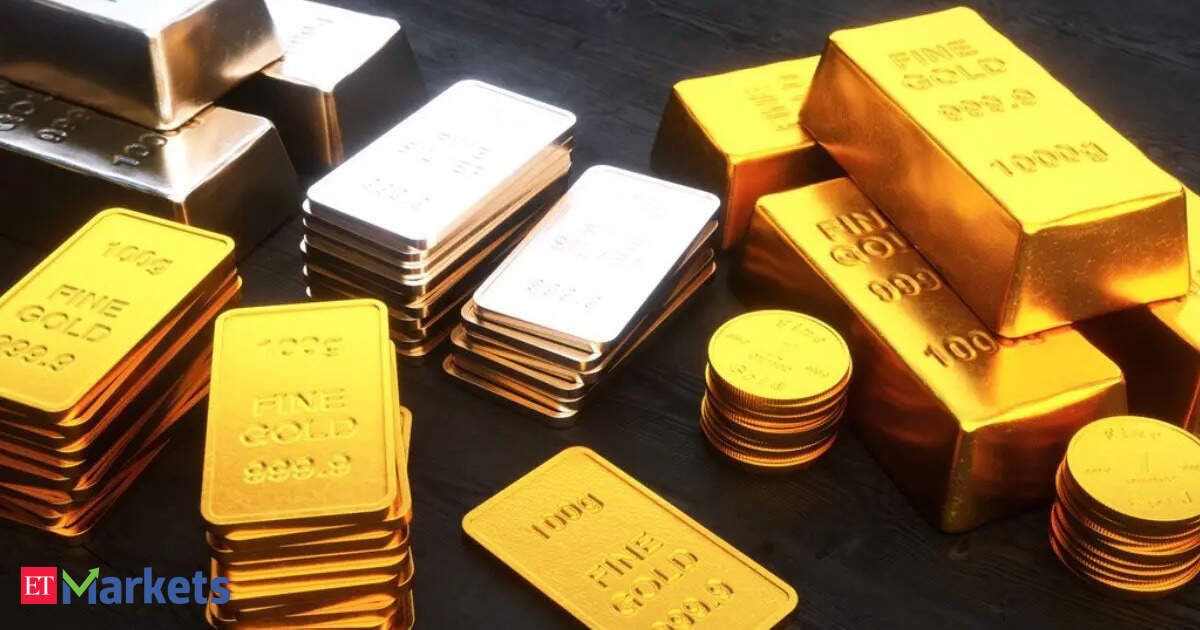
Spot gold fell 15% from its late-January high near $2,790 to $2,350; silver slid 25% to $24. Fed hawkish repricing drove the selloff. Next test: March 20 FOMC.
Gold and silver have fallen sharply from their January peaks, catching retail buyers who chased the rally. Spot gold dropped roughly 15% from its late-January high near $2,790 an ounce to around $2,350. Silver slid about 25% from above $32 to near $24. The bigger moves hit leveraged products and mining equities – some junior explorers have lost half their value.
The trigger was a repricing of Federal Reserve rate expectations. January's stronger-than-expected jobs report and sticky inflation data pushed the first rate cut further into the second half of the year. Higher real yields make non-yielding assets like gold less attractive. The dollar index climbed to a three-month high, adding pressure on dollar-priced metals.
"The macro backdrop has turned decisively against precious metals in the short term," a Sydney-based metals trader said. "Positioning was stretched long coming into January. The unwind has been violent."
Exchange-traded fund flows confirm the shift. Global gold ETFs saw net outflows of 57 tonnes in February, the largest monthly withdrawal since June 2023, according to the World Gold Council. Silver ETF holdings dropped 4% over the same period.
Physical demand in India, the world's second-largest gold consumer, has picked up as prices fell below ₹65,000 per 10 grams. Dealers in Mumbai reported a 20% jump in inquiries last week. "Retail is buying the dip, waiting for a bottom to form," a Mumbai-based bullion dealer said. "The wedding season is coming. People want to lock in lower prices."
Central bank buying continues to provide a floor. The People's Bank of China added gold to its reserves for a 16th consecutive month in February. The Reserve Bank of India bought 8 tonnes in January. Official sector purchases hit 1,037 tonnes in 2024, the second-highest on record.
Silver faces a different set of dynamics. Industrial demand, which accounts for roughly 60% of consumption, is softening as global manufacturing slows. The Silver Institute projects a 3% decline in industrial offtake this year. Solar panel manufacturing, a key demand driver, is seeing inventory builds in China. "Silver is caught between weak industrial demand and falling investment interest," a London-based analyst said. "It needs a catalyst to break out of this range."
Mining equities have been hit hardest. The NYSE Arca Gold Miners Index is down 18% from its January peak. Junior explorers with no production revenue have seen the steepest declines – some losing 40-50%.
The next catalyst is the March 20 Federal Reserve meeting. The dot plot and Chair Powell's press conference will set expectations for the rest of the year. A dovish tilt could spark a relief rally. A hawkish hold would likely extend the selloff.
The technical picture offers some guideposts. Gold has support at $2,300, the 200-day moving average. A close below that level opens a test of $2,200. Silver's support sits at $22.50, the August 2024 low. Resistance on any bounce is $2,450 for gold and $26 for silver.
"The correction is healthy after such a strong run," the Sydney trader said. "We need to see the macro turn before calling a bottom."
Prepared with AlphaScala research tooling and grounded in primary market data: live prices, fundamentals, SEC filings, hedge-fund holdings, and insider activity. Each story is checked against AlphaScala publishing rules before release. Educational coverage, not personalized advice.