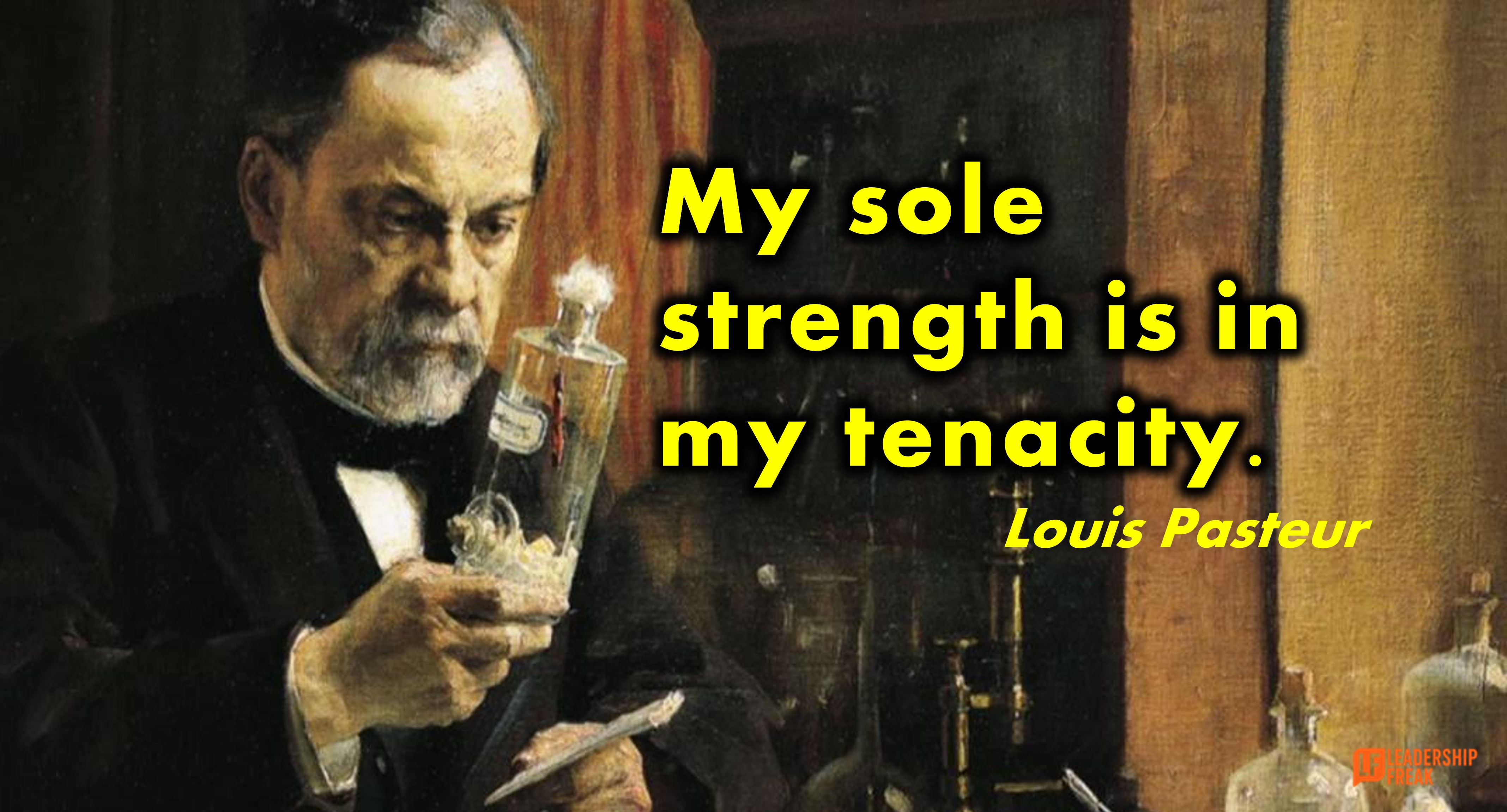
Operational Resilience and the Architecture of Long-Term Growth

Operational resilience has become a critical indicator of long-term value, as firms shift focus from singular innovation cycles to the institutionalization of strategic tenacity.
HASBRO, INC. currently screens as unscored on AlphaScala's scoring model.
Alpha Score of 47 reflects weak overall profile with moderate momentum, poor value, moderate quality. Based on 3 of 4 signals — score is capped at 90 until remaining data ingests.
Alpha Score of 45 reflects weak overall profile with strong momentum, poor value, poor quality, weak sentiment.
Alpha Score of 52 reflects moderate overall profile with poor momentum, strong value, strong quality, weak sentiment.
The narrative surrounding sustained corporate performance has shifted from rapid, singular innovation cycles to the institutionalization of organizational tenacity. While market participants often prioritize immediate quarterly output, the underlying strength of a firm is increasingly defined by its ability to maintain strategic momentum through periods of volatility. This shift emphasizes that the bridge between stated corporate goals and actualized shareholder value is built upon the consistent application of operational discipline.
Institutionalizing Strategic Persistence
Building tenacity within a corporate structure requires a departure from reactive management styles. Organizations that successfully navigate complex cycles often implement specific frameworks to ensure that human capital remains aligned with long-term objectives despite external pressures. The following methods are frequently observed in firms that maintain high levels of output over extended periods:
- The integration of iterative feedback loops that normalize failure as a component of the research and development process.
- The alignment of incentive structures with multi-year milestones rather than short-term performance metrics.
- The cultivation of internal knowledge-sharing platforms that reduce the friction of cross-departmental collaboration.
- The establishment of clear, non-negotiable operational standards that serve as a baseline during periods of market uncertainty.
These practices serve to insulate the core business from the noise of daily stock market analysis fluctuations. By prioritizing the process over the immediate outcome, leadership teams can foster a culture where persistence is a structural feature rather than a personality trait of individual employees.
The Valuation of Organizational Stability
Investors are increasingly applying a premium to companies that demonstrate this form of institutionalized resilience. When a firm can prove that its growth trajectory is not solely dependent on the performance of a single product line or a specific executive, the risk profile of the equity changes. This stability allows for more accurate long-term modeling and reduces the likelihood of catastrophic pivots during minor market corrections.
Companies that fail to build this internal tenacity often suffer from high turnover rates and a lack of institutional memory. This creates a cycle of inefficiency where new teams must relearn the lessons of their predecessors, effectively resetting the clock on innovation. Conversely, firms that prioritize the development of their workforce as a strategic asset tend to exhibit lower volatility in their operational output. This is a critical component of capital allocation and the mechanics of compounding wealth, as it ensures that capital is not wasted on redundant efforts or misaligned strategic initiatives.
The Path to Sustained Execution
Moving forward, the focus for management teams will be on the transition from high-growth phases to sustainable scaling. This requires a rigorous audit of internal communication channels and decision-making hierarchies. The next concrete marker for this transition will be the disclosure of human capital metrics in upcoming annual reports, which will provide a clearer picture of how firms are investing in the longevity of their teams. Investors should monitor these filings for evidence of structured development programs, as these are the primary indicators of a firm's ability to maintain its competitive edge in an increasingly automated labor environment. The ability to execute consistently remains the most reliable predictor of long-term success.
AI-drafted from named sources and checked against AlphaScala publishing rules before release. Direct quotes must match source text, low-information tables are removed, and thinner or higher-risk stories can be held for manual review.