Commodities● Neutral
Gold Drops 0.5% as Rate-Hike Fears Override Geopolitical Risk
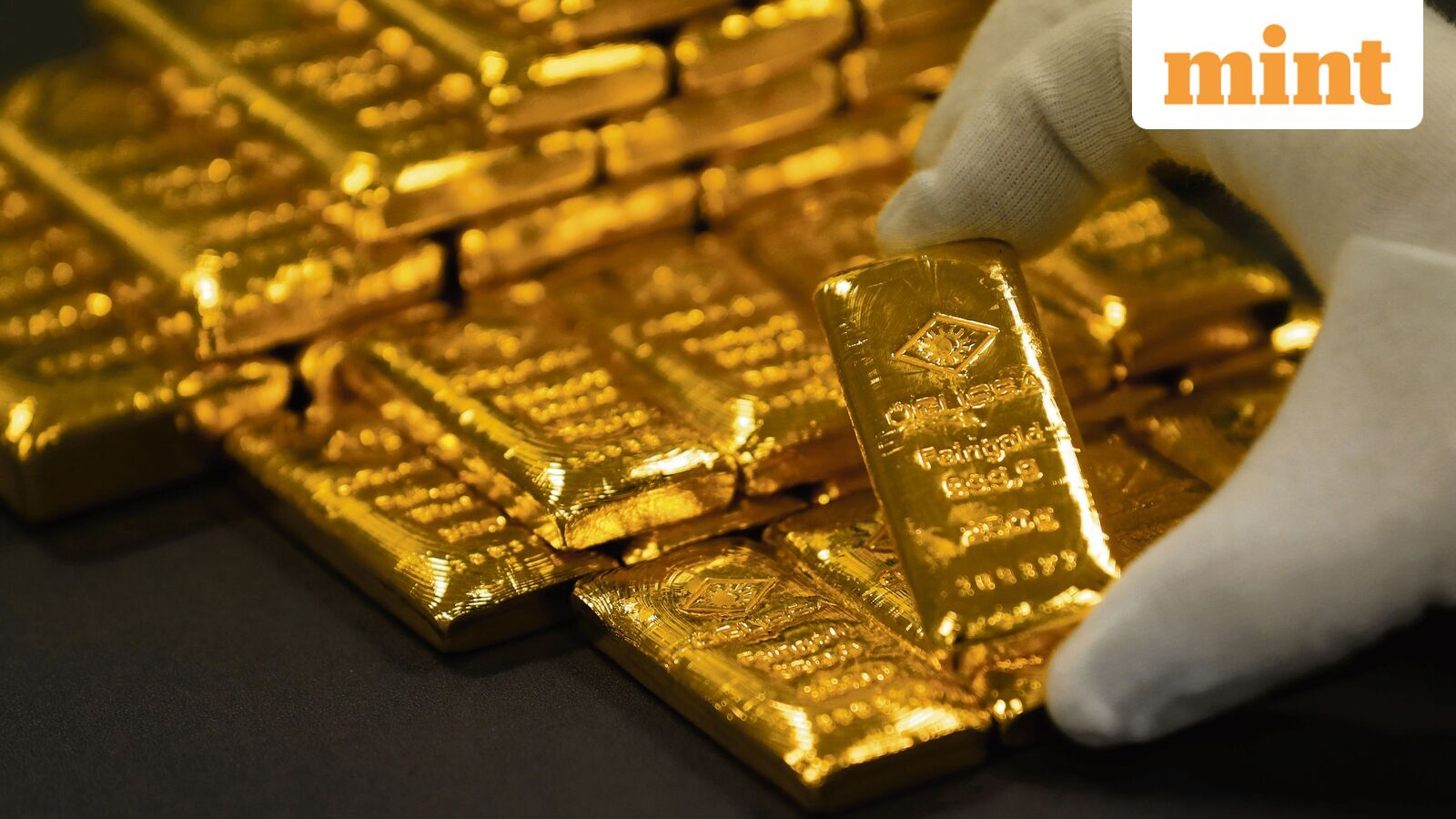
Spot gold fell 0.5% to $4,452.20, down 1.8% for the week. Rate-hike fears override stalled ceasefires. May NFP is the next catalyst.
Continue with
Spot gold fell 0.5% to $4,452.20 per ounce on Friday, 5 June 2026, heading for a weekly loss of about 1.8%. The move reflects a cross-current of conflicting forces: stalled geopolitical peace processes, rising inflation expectations, and the looming May nonfarm payrolls print. Each of these factors acts on a different lever of the gold price. The net result is a metal stuck between a safe-haven floor and a rate-driven ceiling.
Why Gold Lost Its Footing This Week
The source text cites four drivers for the slide: uncertainty over a US–Iran peace deal, a stalled Israel–Lebanon ceasefire, increased inflation concerns, and fears of a US Federal Reserve interest rate hike. At first glance, the first two look bullish for safe-haven demand. Stalled ceasefires should raise geopolitical risk. Yet gold fell. The better market read is that the market had already priced in a relatively benign resolution to both conflicts. When the peace process hit a roadblock, the market did not re-price risk upward. Instead, it focused on the inflation and rate side.
The Mechanism: Real Yields vs. Safe Haven Demand
Gold competes directly with yield-bearing assets. A higher Fed funds rate raises the opportunity cost of holding a non-yielding metal. When the market fears a rate hike, real yields (nominal yields minus inflation expectations) tend to rise if inflation expectations do not keep pace. The current inflation fears push both nominal yields and expected inflation up. The net effect on real yields depends on which moves faster. If the market believes the Fed will hike pre-emptively, real yields rise, and gold falls. That is the mechanism behind the 0.5% drop on Friday.
At the same time, stalled ceasefires in the Middle East normally trigger a flight to safety. That effect is diluted when the market views the conflicts as contained or when the potential for escalation is already priced. The source language – “uncertainties over a peace deal between the United States and Iran” – suggests the market is focused on the absence of a deal, not the risk of new fighting. The absence of a deal removes a potential near-term catalyst for a geopolitical rally, making gold more sensitive to rate expectations.
Why Inflation Fears Matter Now
Inflation concerns are not new. Their prominence in Friday's narrative signals that the market is re-examining the Fed's reaction function. If May nonfarm payrolls print strong, the case for a September or December hike strengthens. Gold's recent rally to near $4,500 was built partly on the assumption that the Fed would cut later this year. That assumption is now being tested. The inflation fear channel is the most direct link from the NFP release to gold's next move.
Where the Exposure Concentrates
Several constituencies hold direct exposure to gold's weekly drop: ETF investors, central bank reserve managers, and Indian physical buyers. Each has a different response function.
ETF and Institutional Positioning
Gold-backed ETF holdings have been increasing this year as investors hedged against geopolitical risk and dollar weakness. A 1.8% weekly drop in spot gold can trigger partial liquidations if stop-loss levels are hit. The COMEX futures data (not provided here, trackable through exchange reports) would show whether speculative long positions are being trimmed. The risk is a feedback loop: lower spot price leads to ETF outflows, which adds to supply, pushing prices lower.
Indian Physical Demand as a Cushion
Indian gold prices in rupees fell in line with the global trend. In Mumbai, 24-karat gold traded at ₹1,59,340 per 10 grams; in Delhi at ₹1,59,060; in Chennai at ₹1,59,800. These levels are still near record highs in rupee terms. Historically, Indian consumers reduce purchases during periods of price volatility, preferring to wait for stability. The upcoming wedding season (June–July) may provide a floor if jewellers stock up at these slightly lower levels. The physical demand channel is slow to react but can absorb selling pressure when prices dip.
Silver, Platinum, Palladium: All Metals Under Pressure
The source reports that silver spot fell 1.4% to $72.89, platinum dropped 1.1% to $1,878.68, and palladium slid 1.7% to $1,298.45. All are headed for weekly losses. Silver, with its dual industrial and monetary appeal, is more sensitive to rate-hike fears because industrial demand forecasts weaken when borrowing costs rise. Platinum and palladium depend on auto sector demand and supply disruption risks. Their correlation to gold is looser but still present in broad risk-off moves. The coordinated weekly decline across precious metals reinforces the interpretation that the trigger is macro (real yields and dollar strength), not a metal-specific supply story.
Timeline: The Next Catalyst Is the May NFP Print
The US Bureau of Labor Statistics releases the May nonfarm payrolls report later today. This is the single most important near-term catalyst for gold. The source directly says: “Investors are now awaiting the May US nonfarm payrolls data, due later in the day, to gauge the Fed's monetary policy path.” The market already assumes a strong labour market. A print above consensus (not specified in the source) would reinforce rate-hike expectations. A miss would revive the dovish narrative and likely lift gold back toward $4,500.