Stocks● Neutral
Glenn Loury's Memoir: Confessions of a Black Conservative
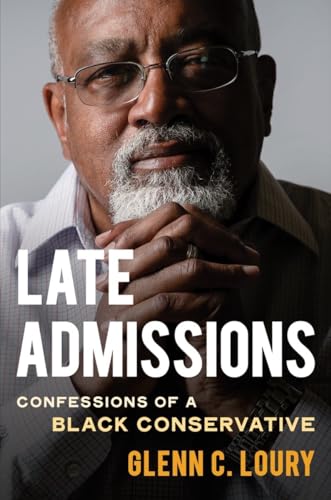
Glenn Loury's memoir opens with confessions of addiction, infidelity, and lies. The economist's intellectual evolution from South Side Chicago to Harvard is equally compelling, as he rejects easy labels on race, politics, and identity.
Continue with
Glenn Loury's new memoir is not the typical academic autobiography. One of the most respected economists of his generation opens with a confession: he lied, he cheated, he used drugs and pornography, and he abandoned people who needed him. The opening chapter is among the most arresting I have read in a memoir. Loury writes directly to the reader, acknowledging the paradox of self-discrediting disclosure. He says he must tell it all because if he does not, nothing he says will be heard. The skeptical reader, he notes, will have observed that this game has already begun.
The book is structured around a recurring distinction between the “cover story” and the “true story.” Loury argues that his own life was full of cover spin, masking darker truths, and he suggests this is true for many of us in our presentation of self in everyday life. The moral confessions are jaw-dropping. He describes rampant infidelity, a long struggle with addiction to cocaine and porn, and a pattern of lying that extended to those closest to him. He speaks apologetically about these failings, though not with the scathing self-judgment one might expect. The tone is balanced, even as words of disapproval about himself appear frequently.
Loury’s intellectual evolution is equally fascinating. He grew up on the wrong side of the South Side of Chicago and made his way into the most prestigious corridors of academia. As an African American economist, he faced presumptions of allyship from both the political left and the right at different points in his career. But Loury is fiercely independent and rejects labels. On issues like affirmative action, race and crime, Obama, and Trump, he surprises people who thought they had him figured out. He describes the tension of being told by conservative colleagues not to think, to choose sides between his political affiliations and his race. He felt compromised.
One of the most striking passages in the memoir deals with the concept of stigma. Loury uses the example of a New York City cab driver who does not want to stop for young black men because he fears being robbed. Even if the cabbie is statistically correct, his rational behavior incentivizes law-abiding young black men to stop trying to hail cabs, leaving only robbers in the pool. The cabbie’s rational response brings into being the very state of affairs to which he is reacting. Loury showed that biased social cognition can explain racial inequality without relying on the idea that it is necessarily the result of racial animus or malice. Ordinary people and institutions can respond to incentives in totally rational ways that create and perpetuate the very stigmas they are responding to.